The Justice Department Wants To Give Patent Trolls More Power
Software patents are mostly vague, hard to define, and widely abused. Most tech patent lawsuits aren’t filed by companies that make real products. They’re filed by patent trolls, companies that acquire patents to extract payments through litigation and legal threats. A patent on one feature of a smartphone shouldn’t give the patent owner the power to threaten the existence of the entire product…
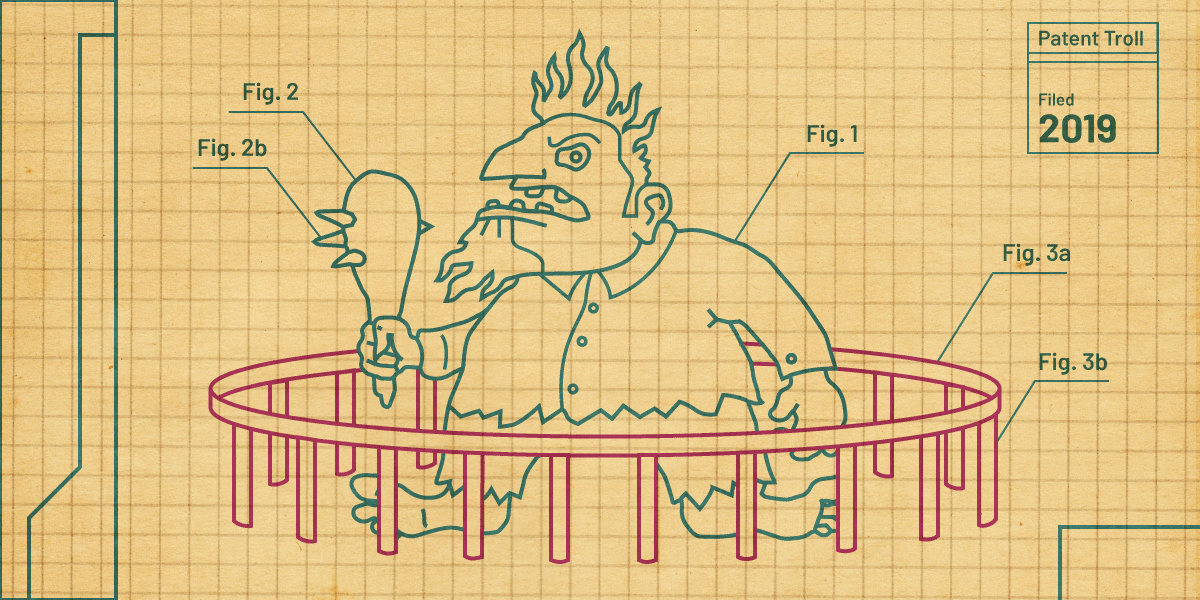
The Justice Department and U.S. Patent and Trademark Office are advocating for changes that would empower patent trolls to exert greater control over companies and products. In recent patent cases involving Samsung, both entities have requested courts to grant injunctions more readily, which could force companies to halt sales or remove features. This approach allows patent owners to demand substantial payments, often far exceeding the actual value of the patents.
In 2006, a patent holding company without any products, NTP Inc., coerced BlackBerry manufacturer Research in Motion Ltd. into a $612 million settlement after receiving an injunction. The Supreme Court previously ruled in eBay v. MercExchange that patent owners must demonstrate "irreparable harm" to receive permanent injunctions, meaning they cannot be adequately compensated through monetary damages alone.
This precedent was hailed as a victory for internet users, as it aimed to prevent software patents from stifling online freedom and innovation.
However, the government recently argued that patent owners, even those solely reliant on licensing, could suffer irreparable harm when calculating damages is challenging. This perspective could weaken the safeguards established in eBay, enabling patent trolls to more easily seek injunctions that threaten entire product lines. Such a shift would benefit patent-licensing companies, potentially leading them to demand excessive payments rather than settling disputes through fair licensing agreements.
The government's intervention in this case echoes its previous support for patent trolls, raising concerns about the potential impact on innovation, online expression, and consumers.
Written by urgent.news from EFF Deeplinks's reporting — not their text. Machine-written — may contain errors; check the original before relying on it.