THE INTERVIEW: Filled — Tshiamo Moretlwe’s one-woman play asks what happens after gender-based violence
In Tshiamo Moretlwe’s one-woman play focus is given to aspects of the gender-based violence discourse that are frequently ignored or overlooked. In this interview about the show and its origins, she says her interest was less in the actual acts of physical violence – instead she sought to grapple with the aftermath of GBV and the menacing ways in which society too often treats survivors.
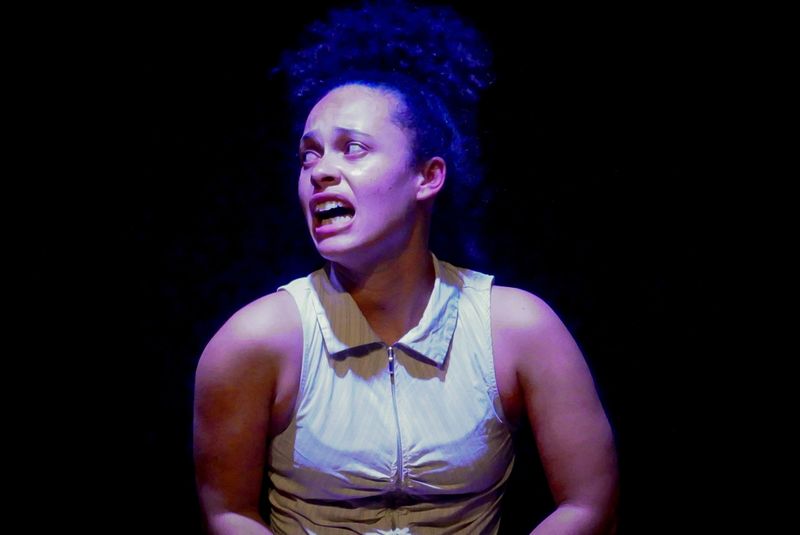
Tshiamo Moretlwe's one-woman play, titled Filled, explores the aftermath of gender-based violence (GBV) and questions the treatment of survivors. In an interview about her play and its origins, Moretlwe expressed her focus on the hidden aspects of GBV that are often overlooked. She emphasized that her interest lies not in the acts of physical violence, but in the subsequent challenges and societal responses faced by survivors.
Moretlwe has honed her distinctive voice through years of drama training and performances on stage and in front of the camera. Her voice is characterized by clarity and crispness, captivating audiences and compelling them to pay attention and reflect on the issues presented. Simultaneously, Moretlwe employs another voice in her writing, utilizing it to challenge and potentially alter listeners' perspectives.
The play, debuted at last year's National Arts Festival, takes a contemporary approach to GBV by examining the complexities surrounding survivors. Rather than solely focusing on the explicit violence against women, Moretlwe delves into the emotional and psychological toll endured after the incident. Her play addresses victim-blaming, the barrage of unsolicited advice, and the discomfort-inducing attempts to console survivors – all while avoiding clichés and offering a more nuanced portrayal of the issue.
Inspired by an ancient San poem about a woman who is cut open and sewn back together, Moretlwe's allegorical work situates the trauma of GBV within a modern context. Rather than focusing explicitly on the moment of violence, she seeks to understand what happens next – what survivors encounter as they try to rebuild their lives. Through a collage of moments, including internet comments, witness statements, and intimate conversations, Moretlwe draws parallels between the play's narrative and real-world experiences.
The humor derived from the absurdity of the situations presented serves to disarm audiences and foster open discussions about a topic often oversimplified and polarizing.
Written by urgent.news from Daily Maverick's reporting — not their text. Machine-written — may contain errors; check the original before relying on it.