The internet was built for Netflix streaming down to your couch. AT&T’s COO says AI agents are flipping it the other way
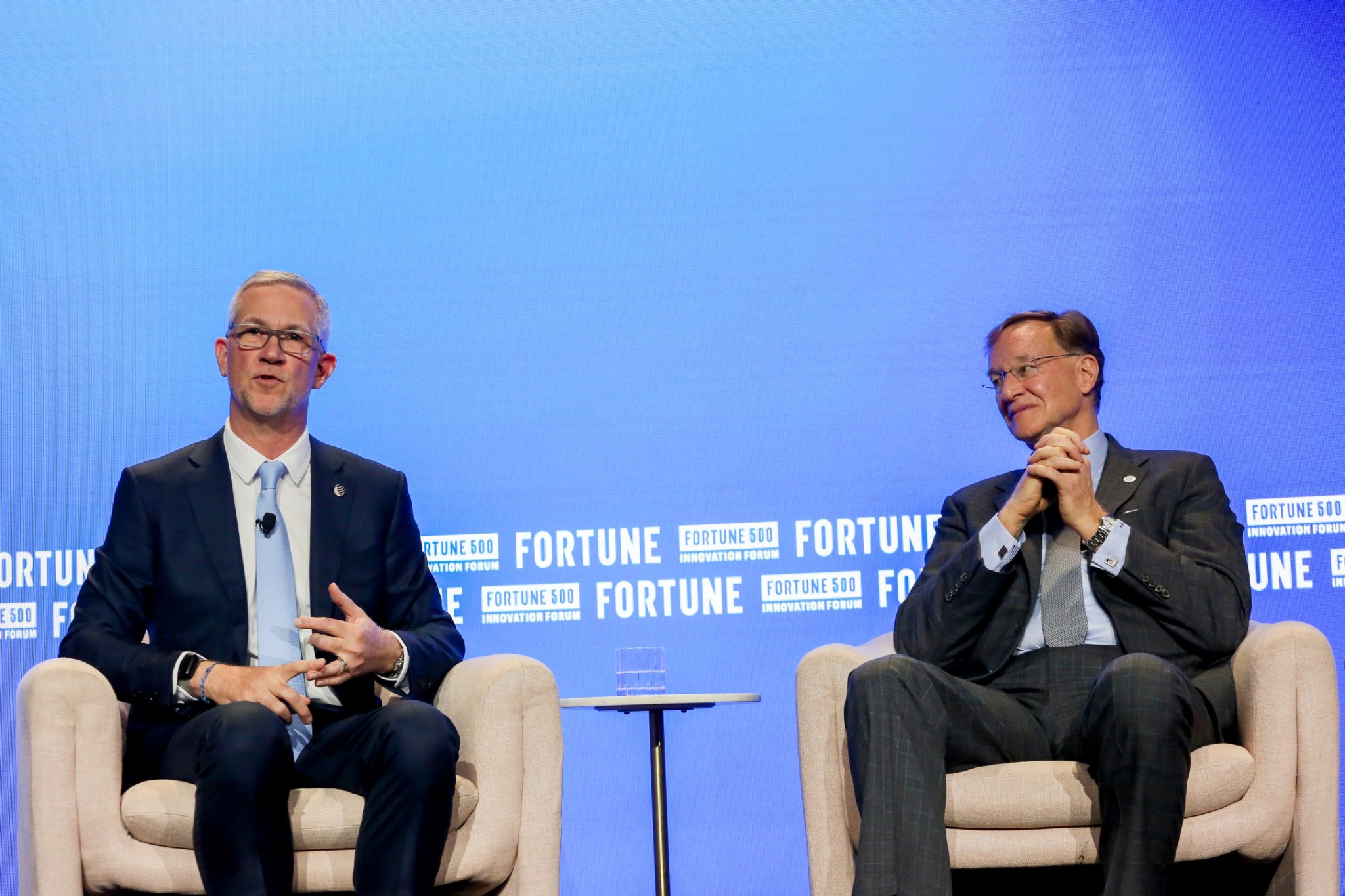
For two decades, the internet has predominantly operated in one direction: from data centers to homes. However, AT&T's COO, Jeff McElfresh, suggests that artificial intelligence (AI) is altering this paradigm. "We're seeing agents tap the network 24/7 in a fundamentally different way," McElfresh explained at a recent forum. Household upload traffic has surged 19.2% year-over-year, more than three times the growth of downloads, which increased by 6.1% in the second quarter.
The average household now uploads 58.2 GB of data per month, a significant increase from 2019, when uploads were 16.6 times less than downloads. This shift poses a challenge for existing infrastructure, which was primarily designed to handle predominantly downstream traffic, as seen in services like Netflix and YouTube. McElfresh noted that AI agents operate continuously, transmitting more data to the cloud than they consume, a stark contrast to human-initiated activities.
The shift towards AI-driven uplink traffic is evident in various sectors, with mobile operators reporting faster growth in uplink traffic. Ericsson projects that uplink traffic could triple or quintuple by 2031 if AI, smart glasses, and agents gain widespread adoption. Although mobile traffic is expected to remain downlink-dominated, AT&T is investing heavily in fiber infrastructure to accommodate the growing demand.
By 2030, AT&T aims to have fiber connections in 60 million locations, more than doubling its current footprint. While cable broadband providers are also upgrading to DOCSIS 4.0 for symmetric speeds, AT&T believes fiber is the future-proof solution, capable of delivering responsive services for AI-powered applications.
Written by urgent.news from Fortune's reporting — not their text. Machine-written — may contain errors; check the original before relying on it.