The danger lurking in Russia's frozen wars
About a month ago, between Oct. 12 and 16, the Russian-occupied region of Georgia, a self-proclaimed "independent" republic of Abkhazia, announced an "operational-tactical" military exercise. Among the stated objectives was to enhance interoperability between Abkhazia's separatist armed forces and the Russian military. Russia has sought to progressively absorb Abkhazia into its strategic orbit…
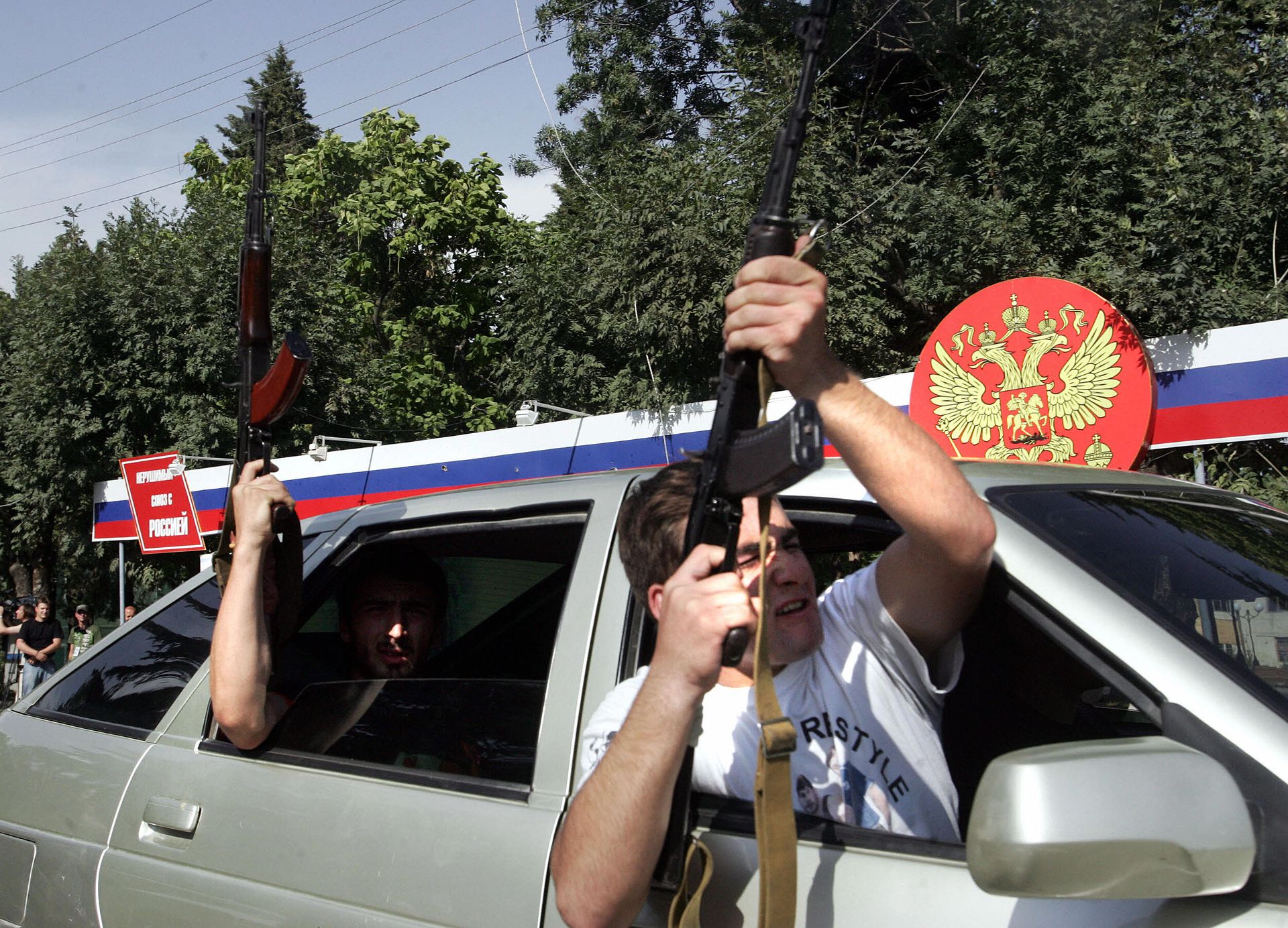
A month prior, spanning October 12 to 16, the Russian-occupied Georgian region of Abkhazia announced a military exercise aiming to improve collaboration between separatist forces and the Russian military. This move underscores Russia's long-standing goal of incorporating Abkhazia into its sphere of influence following the 1992-1993 conflict.
Since then, Russia has progressively strengthened its military presence, securing recognition from only a few nations for its occupation, notably through peacekeeping missions. In tandem, Russia has issued passports to locals, appointed Kremlin-backed leaders to key institutions, and held State Duma elections.
As global discussions on ending the Ukraine war intensify, Abkhazia has gained relevance, serving as a case study of the consequences of unresolved conflicts, inadequate international support, and insufficient peace treaties. Despite global calls for peace, critical questions linger: Will the aggressor be held accountable? What measures will prevent Russia from re-escalating its aggression?
This Georgian conundrum offers a crucial first answer to why freezing conflicts without proper security measures only leads to their perpetuation. The lack of satisfactory answers risks a push for Ukraine's de facto capitulation, creating another frozen conflict and increasing security vulnerabilities in the broader Black Sea region and across the continent.
Abkhazia, often forgotten by the international media, played a pivotal role in Russia's early invasions, making it a vital starting point for discussions on peace's true implications.
Presently, 20% of Georgian territories are under Russian control, with two separatist enclaves governing Abkhazia and the Tskhinvali Region, following the brutal wars from 1991-1993. The Russian military intervention in 1992-1993 resulted in ethnic cleansing, leading to the displacement of over 200,000 Georgians and countless deaths. While the international community avoided labeling these actions as genocide, the victims still await justice.
It's essential to recognize that the Russian-occupied Georgian regions should not be viewed in isolation. Instead, a geopolitical lens is required. The Georgian Dream party, ruling Georgia, exploits narratives of Russian aggression to tarnish the previous government. Conversely, Russia's propaganda consistently attempts to portray itself as a peaceful facilitator.
Abkhazia's strategic significance in the Black Sea region and its role as a vulnerability for the Euro-Atlantic security architecture have long been neglected by the West, enabling Russia to test political and hybrid warfare tactics, potentially challenging Western resolve, as seen in Ukraine since 2014. Recent strategic documents from the EU and NATO have acknowledged this connection, linking Russia's violations of international law and aggressions in Georgia and Ukraine to the broader security concerns.
The recent military exercises in Abkhazia signify a breach of the Euro-Atlantic vision, further destabilizing the region and highlighting the urgent need for security guarantees to prevent Russia's resurgence in aggression.
Written by urgent.news from Kyiv Independent's reporting — not their text. Machine-written — may contain errors; check the original before relying on it.