Terrible indoor signal? You're not alone. US comes low on Ookla's signal tests
The US's indoor signal strength doesn't come out well in Ookla's latest report.
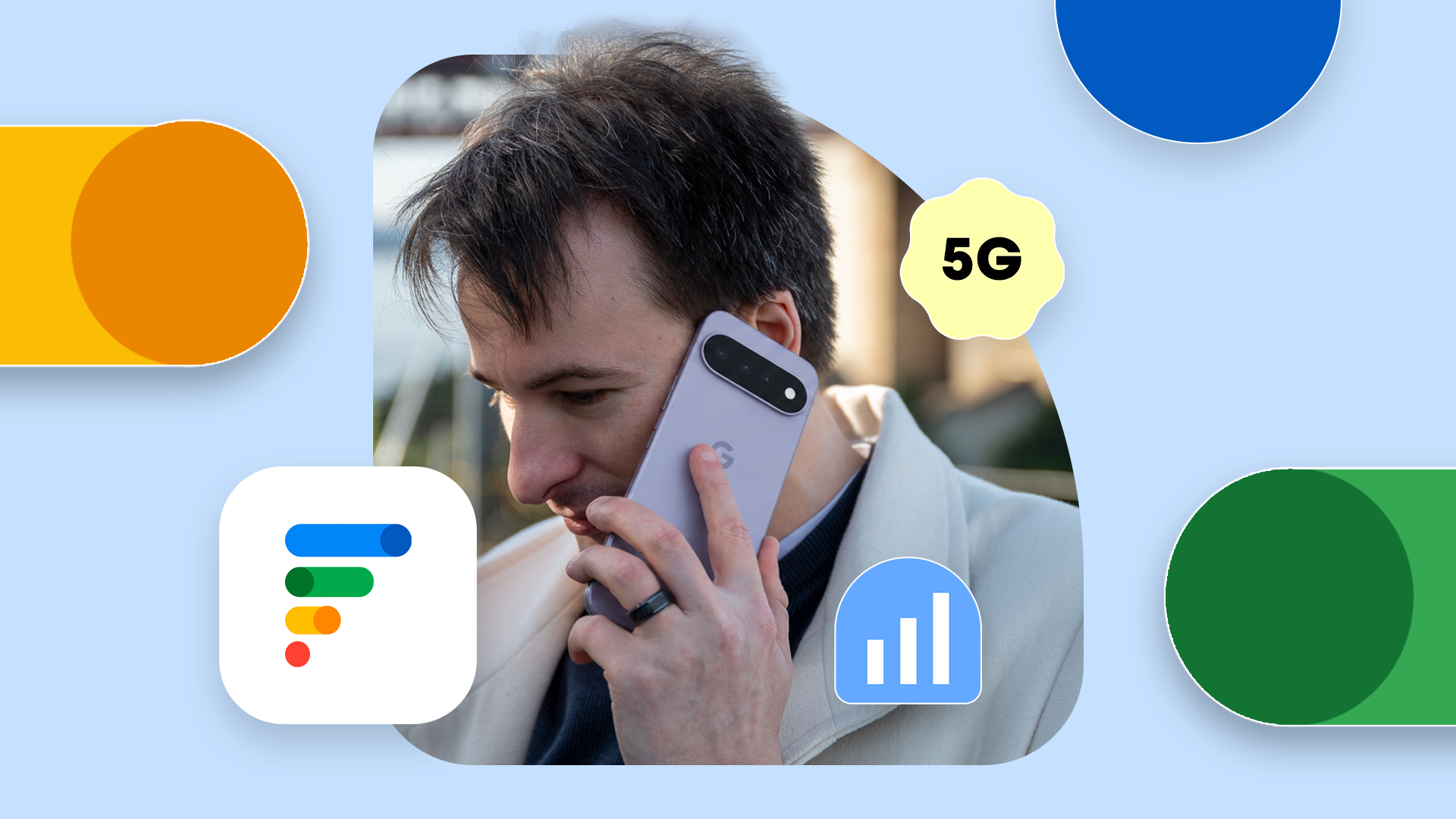
The United States ranks among the bottom performers in mobile signal strength when indoors, according to a survey conducted by Ookla, a renowned mobile surveying company. The research, which evaluated indoor signal strength across 100 cities in 60 countries over the course of a year, revealed that the US struggled significantly in this regard.
While many individuals rely on Wi-Fi or 4G signals indoors, these alternatives are not always available. Modern data connections are capable of supporting everyday streaming and basic tasks, but the survey found that the US mobile networks exhibit some of the weakest indoor signal strengths globally. In the survey, East Asian, Southeast Asian, and Gulf cities demonstrated the strongest indoor signal strength, while cities in Europe, North America, and Oceania experienced below-average performance.
The disparity between the median signal strength of the best and worst cities was a staggering 17 dBm, equivalent to a 50-fold difference in signal power. Cities such as Miami, Vancouver, and Seattle were particularly affected in North American cities. While one might attribute the low signal strength to robust building materials, the survey actually indicates that the issue lies with the overall mobile data signal rather than thick walls.
This deficiency in indoor signal strength leads to reduced download and upload speeds, undermining the promised service. Additionally, mobile carriers often neglect to test indoor signal strength, relying instead on basic calculations, which highlights the need for improvement. Although carriers have been striving to enhance network signals in recent years, the survey suggests that there remains a considerable distance to travel.
Moreover, ongoing efforts to improve insulation in older buildings due to climate change could potentially hinder the development of robust networks. However, the report emphasizes that a stronger outdoor network is the most effective solution to ensure optimal indoor signal strength, irrespective of building material influences.
The survey results indicate that North America should exhibit better performance in subsequent tests.
Written by urgent.news from Android Police's reporting — not their text. Machine-written — may contain errors; check the original before relying on it.
Also reported by 1 other outlet
- US cities have some of the world’s weakest indoor mobile signals, Ookla finds androidauthority.com