Tech leaders tell Fed chairman Warsh how AI could transform the economy
Just maybe, both the extreme techno-optimists and AI doom-and-gloomers are wrong about the economic impact of the technology. That's the argument that venture capitalist Marc Andreessen — who is co-leading a Federal Reserve task force on the topic — made in a high-profile panel Monday. Why it matters: The argument could help shape how the Fed assesses AI's economic consequences, with major…
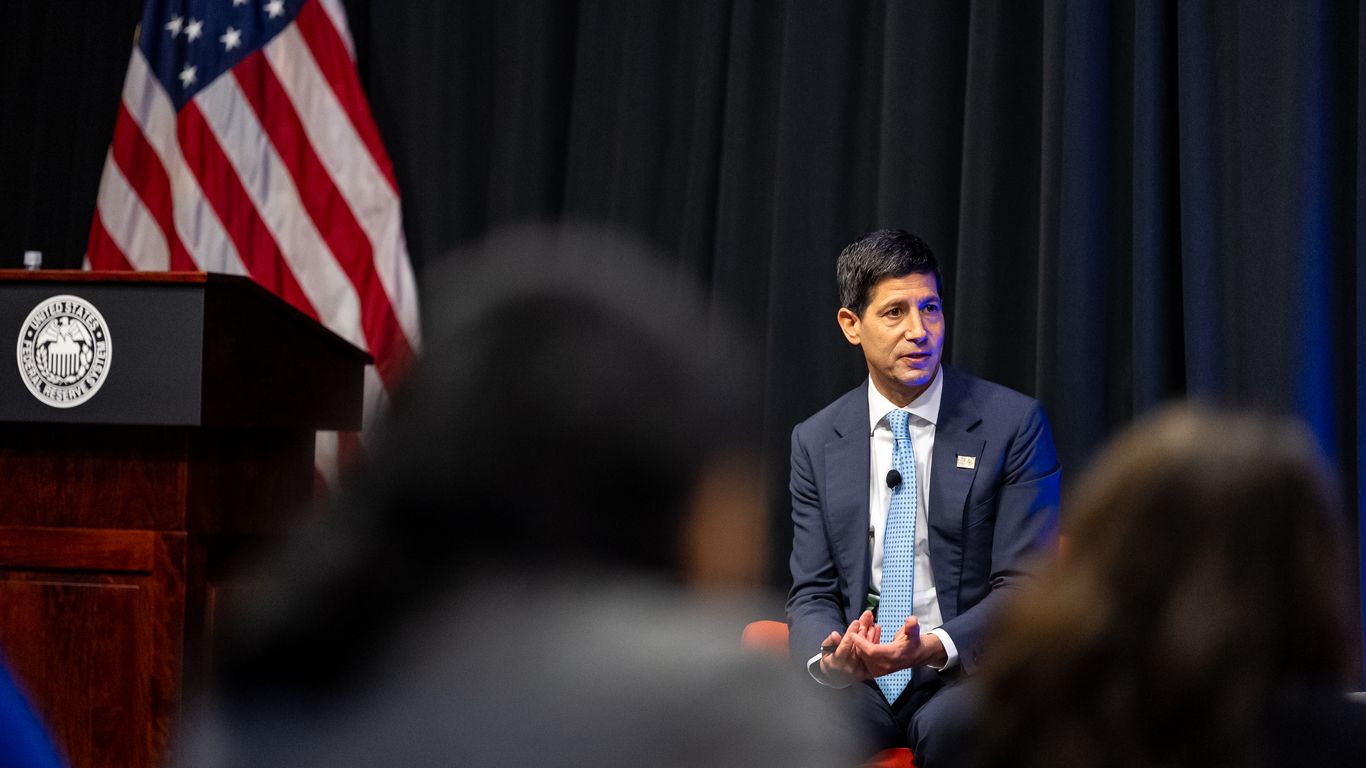
Venture capitalist Marc Andreessen, co-leading a Federal Reserve task force on artificial intelligence, argued AI's economic impact could be more moderate than extreme techno-optimists or AI skeptics predict. This perspective could shape the Fed's outlook on growth, inflation, and interest rates. Andreessen, speaking at a San Francisco Federal Reserve event, said the economy consists of fast-changing industries like technology and media where innovation drives productivity gains, and slower-changing sectors like healthcare, education, and housing where regulations and limited competition hinder technological progress.
He argued that AI may not transform these slower-changing sectors significantly, potentially limiting job losses and productivity gains. Meanwhile, tech CEOs Max Levchin, CEO of Affirm, and Patrick Collison, CEO of Stripe, told Fed Chairman Kevin Warsh that AI has already boosted their companies' productivity, with Affirm's engineers becoming five times more productive and Stripe's weekly new business launches doubling in the past year.
However, Andreessen also warned that productivity growth could remain sluggish, leading to potential stagnation in overall economic growth.
Written by urgent.news from Axios's reporting — not their text. Machine-written — may contain errors; check the original before relying on it.