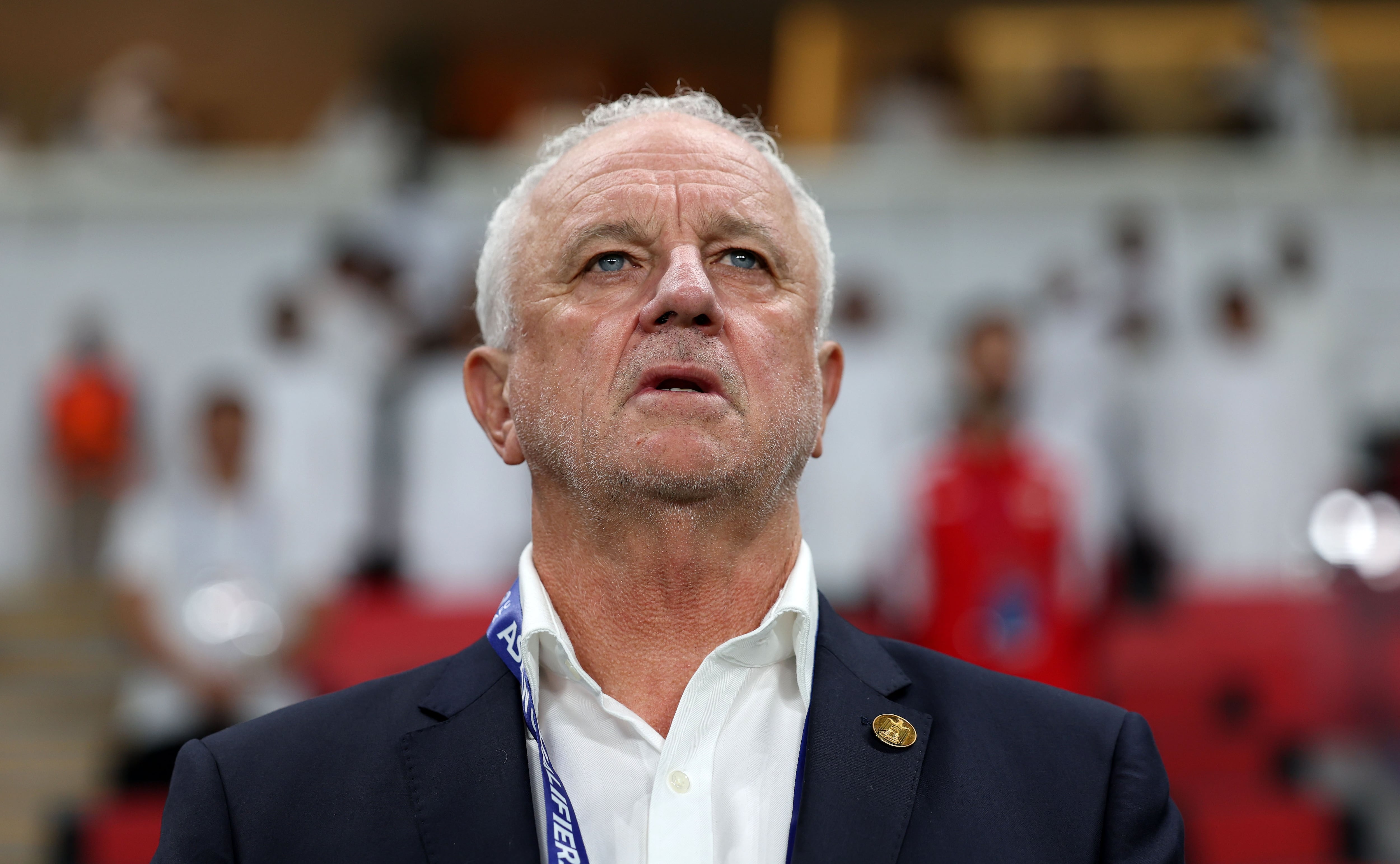
Spitzentreffen im Kanzleramt: Darum geht es im Koalitionsausschuss
Der Kanzler ist angezählt, der Vizekanzler auch, und die Koalition steht vor einem Haufen Probleme. Kann da heute im Koalitionsausschuss etwas Gutes herauskommen?
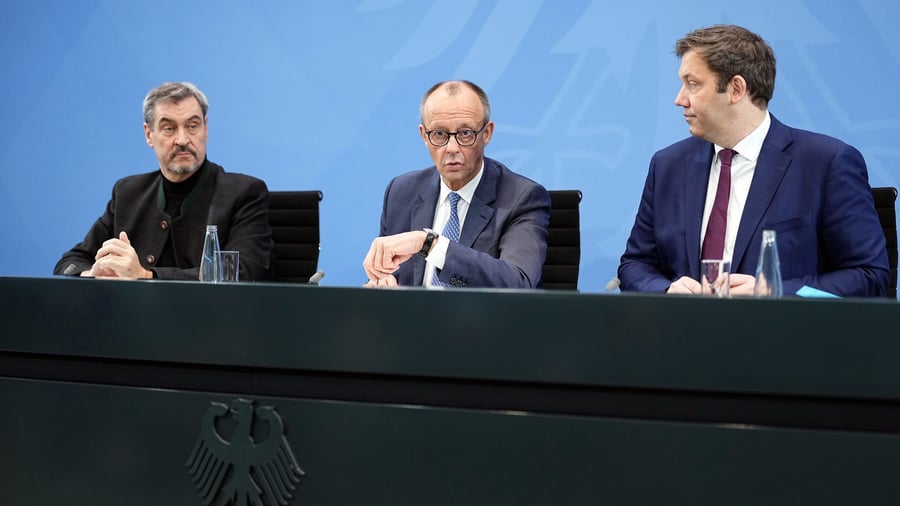
On the evening of January 1st, Federal Chancellor Friedrich Merz will convene the Koalitionsausschuss at the Chancellery to discuss three key objectives: a nationwide reduction in the Stromsteuer, a timeline for the Rentenreform, and improvements in the election law. The €5.4 billion Stromsteuersenkung hinges on Merz's credibility; if it does not pass, the coalition could be jeopardized.
Merz has set a high bar, demanding a universal cut for 2027 and adherence to the European minimum. The Union and SPD will have to release over €5 billion from their 2027 budgets to accommodate the reduction. The SPD is prepared to fund this, provided it is done responsibly. One potential source could be the reduction of subsidies, though this may face resistance from powerful lobby groups.
Merz also proposes using surplus funds from the EEG account to promote renewable energy, a proposal the SPD deems constitutionally risky. Similarly, the SPD is unlikely to agree to cut funding for climate and transformation funds. Alongside the Stromsteuer-Senkung, Merz intends to address the second challenge for the Union in the budget: compensating for the cold progression.
Inflation and progressive tax rates lead to hidden tax increases, which Klingbeil aims to mitigate only for low to middle-income citizens. Fully compensating all citizens would cost the Bund around €1.8 billion. In total, the Koalitionsausschuss is seeking about €7 billion for the coming year. This is roughly the scale at which the previous Ampel coalition disbanded.
The SPD also wishes to discuss the proposed Spritpreisdeckel by the Union's Economics Minister, Katherina Reiche. While the SPD acknowledges the need for a price cap, they find Reiches plans ineffective and unhelpful. Instead, they advocate for actual price caps and limited margins. Reiche's proposal would only activate the price cap when Diesel or Benz prices rise by more than 5 percentage points above the average EU increase for three consecutive weeks.
Moreover, she suggests a three-month maximum for the cap. The SPD proposes that the cap only apply if price increases are more than five percentage points above the EU average for three consecutive weeks. Lastly, Merz will highlight progress on the Rentenreform, with a cabinet decision expected before Christmas. However, negotiations between the responsible Arbeitsminister Alexander Schweitzer (SPD) and Merz over contentious issues are ongoing.
The central dispute revolves around the abolition of the abschlagsfreie Rente after 45 contributions. The SPD, led by SPD-Generalsekretär Tim Klüssendorf, seeks to retain this popular provision. Additionally, the reform's new capital pillar is expected to be finalized by Christmas. Finally, the Union aims to resolve the deadlock over the election law, ensuring that all directly elected Bundestag members secure their seats in the next Bundestag. The SPD shows interest in this matter, though it is not as crucial to them as the other issues.
Written by urgent.news from Handelsblatt's reporting — not their text. Machine-written — may contain errors; check the original before relying on it.