Shures new spatial audio mic was made with creators in mind
On Nov. 17, Shure introduced the MV360 and MV360+ spatial audio microphones that connect to USB-C-compatible devices. See our first impressions.
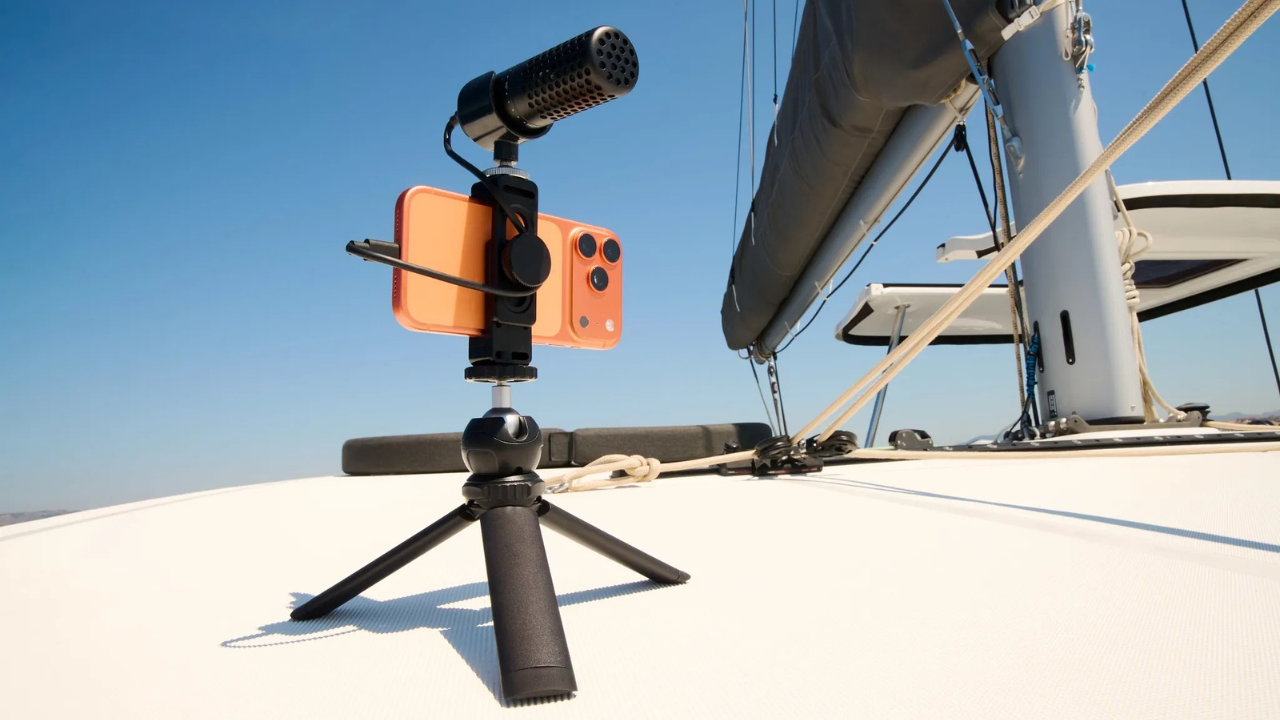
Shure has introduced its MV360 and MV360+ spatial audio microphones, designed with creators in mind. These microphones cater to the growing number of multidisciplinary creators who often start with video and later need to focus on audio. Steve Marek, Shure's Associate Product Manager, stated that they aimed to create a versatile microphone that allows creators to grow their audio recording capabilities without needing multiple tools.
The MV360, priced at $349, is now available, and it includes a USB-C mic, tripod, multiple clips, a phone clamp, USB cables, a carrying case, and a foam windscreen. It offers four capture modes: mono, stereo, immersive binaural, and auto tracking. The latter uses virtual microphones that automatically track the loudest sound source, making it ideal for recording podcasts, interviews, or moving subjects.
The MV360 provides a ready-to-use two-channel audio file that requires no post-production work, although it is compatible with editing apps and devices for adjustments. The MV360+ is expected to be a more advanced option for field recordists, videographers, and VR storytellers, compatible with DSLR, action, and 360 cameras. Shure's MOTIV app enables users to set capture modes, edit recorded audio, and adjust various settings, including audio levels and microphone orientation.
Notably, users can move virtual microphones post-recording to enhance directional sound. The reviewer tested the MV360 microphone and found it to produce high-quality audio suitable for unboxing videos and whispering ASMR, with the ability to boost audio levels in the companion app before recording.
Written by urgent.news from Mashable's reporting — not their text. Machine-written — may contain errors; check the original before relying on it.