Sabah targets reduction in absolute poverty rate to 3–5pc by 2030
KOTA KINABALU, Nov 17 – Long ranked among the country's poorest states, Sabah is aiming to reduce its absolute...
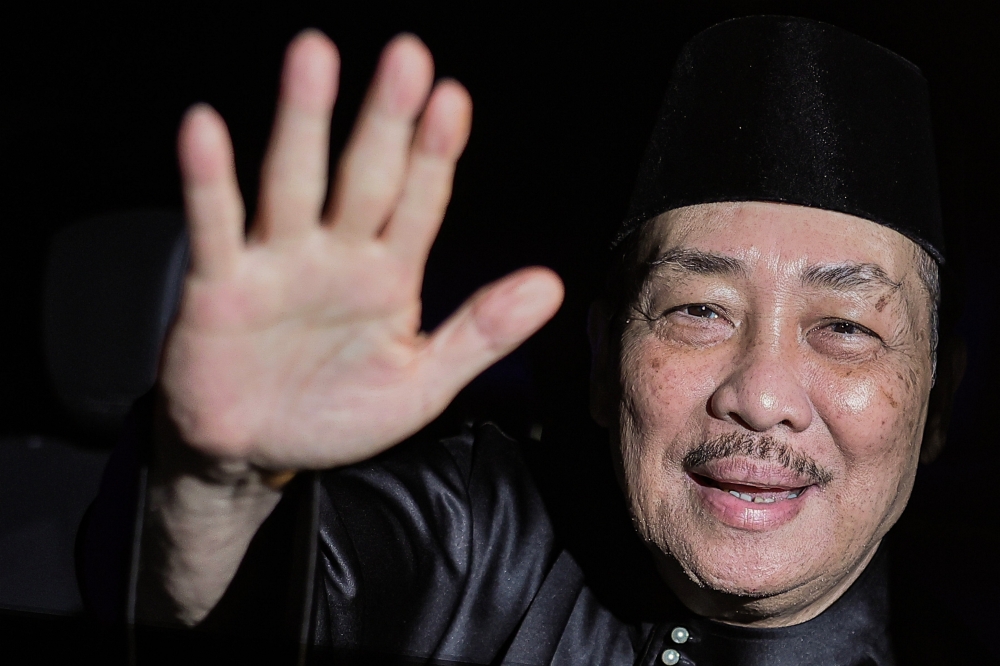
Long considered one of Malaysia's poorest states, Sabah aims to slash its absolute poverty rate to between three and five percent by 2030. Presently, Sabah's poverty rate stands at 17.7 percent, the highest among all states. Chief Minister Datuk Seri Haji Hajiji Noor emphasized that this ambitious goal necessitates a more comprehensive and integrated approach rather than simply expanding existing programmes and assistance.
According to the eKasih system report (as of October 15, 2026), there are 55,555 poor household heads (KIR) in Sabah, which Hajiji wants to use as a baseline for setting Key Performance Indicators (KPIs) with clear, annual targets for reducing the number of poor households. The state plans to roll out a Poverty Exit Policy, which will determine whether households are genuinely self-reliant before being removed from the poverty register.
This assessment will consider factors such as stable income, employment, safe housing, and the ability to meet basic needs. Assistance will not be abruptly withdrawn once a household surpasses the poverty line but will gradually wind down with ongoing support. Hajiji stressed the need for coordination among various agencies, including initiatives like Rumah Mesra SMJ, Sentuhan Kasih Rakyat (SYUKUR), education assistance, welfare aid, and skills training, under a unified framework.
He also highlighted the importance of creating more jobs in sectors like fisheries, aquaculture, marine tourism, and encouraging Sabahans to return home after working elsewhere. The Sabah Maju Jaya (SMJ) Secretariat is responsible for coordinating the state's poverty eradication agenda, with ministries and agencies tasked to improve data-sharing and prevent duplication or gaps in assistance.
Currently, 54 agencies from both state and federal governments, along with industry players, are involved in 134 assistance programmes covering various aspects such as housing, education, employment, welfare, finance, entrepreneurship, and training. However, Hajiji cautioned against equating the number of programmes and assistance distributed with success, stressing the importance of verifiable evidence showing that households have genuinely escaped poverty.
To enhance this, the state will strengthen the use of eKasih and the Sabah State Database (PADANS) to identify overlapping assistance and households requiring further intervention. MySMJ Profiling Programme officers in all 73 state constituencies will verify household circumstances and needs on the ground.
Written by urgent.news from Malay Mail's reporting — not their text. Machine-written — may contain errors; check the original before relying on it.
Also reported by 1 other outlet
- Sabah govt aims to reduce absolute poverty to between 3% and 5% by 2030 freemalaysiatoday.com