Rivalität mit China: Neue US-Einschränkungen für Export von KI-Chips
Die US-Regierung verbietet den Export moderner Chips etwa von Nvidia nach China. Und doch haben chinesische Stellen manchmal Zugriff darauf. Verschärfte Exportregeln sollen das verhindern.
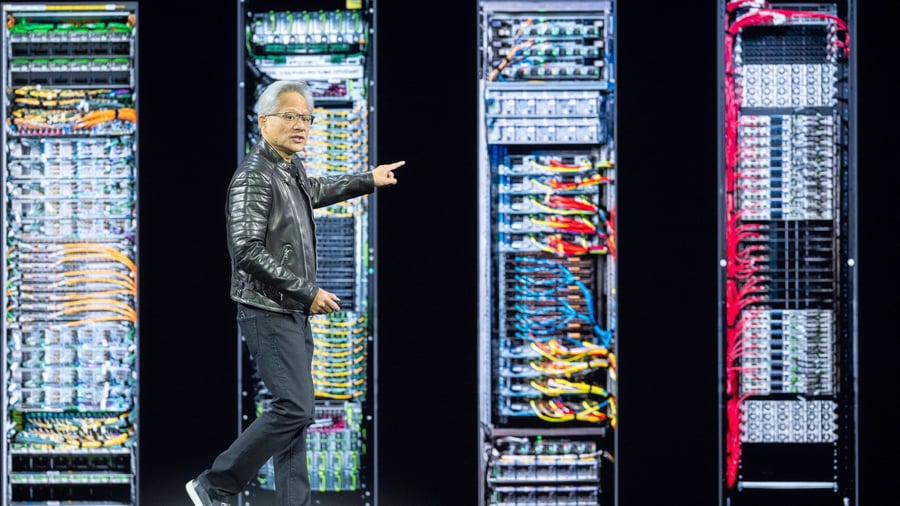
The United States government has imposed new limitations on the export of advanced AI chips to countries such as Singapore, Malaysia, Indonesia, Thailand, and Brazil, in an effort to hinder China's access to semiconductor technology. These measures aim to both prevent the smuggling of technology to China and limit the use of computing power in other nations by Chinese clients.
Under the new directive from the US Trade Ministry, export licenses will be required for the delivery of high-performance chips to Malaysia, Singapore, Indonesia, Thailand, and Brazil. Additionally, operators of data centers with American AI chips are now subject to stricter customer screening protocols. The US government has previously prohibited the export of powerful AI chips to China, including those from the market leader Nvidia.
The objective is to impede China's progress in developing artificial intelligence, which could potentially be used for military purposes. However, several avenues for bypassing the ban have emerged. One method involves smuggling, where chips are purchased for purported use in various countries and then smuggled into China through indirect routes.
In one case, a US indictment revealed the use of thermal printers to affix serial numbers to fake server components, concealing that genuine devices with Nvidia technology were being sent to China. Another solution involves Chinese clients renting computer resources in data centers equipped with Nvidia chips, thereby gaining access to the technology.
Media reports suggest that Megaspeed, a company based in Singapore and a major client of Nvidia, may have been involved in such activities, with US security sources speculating that its female employee might be a Chinese spy. The US Trade Ministry noted that the directive was drafted by the Treasury Department and the National Security Council, signaling internal disagreements within the US administration.
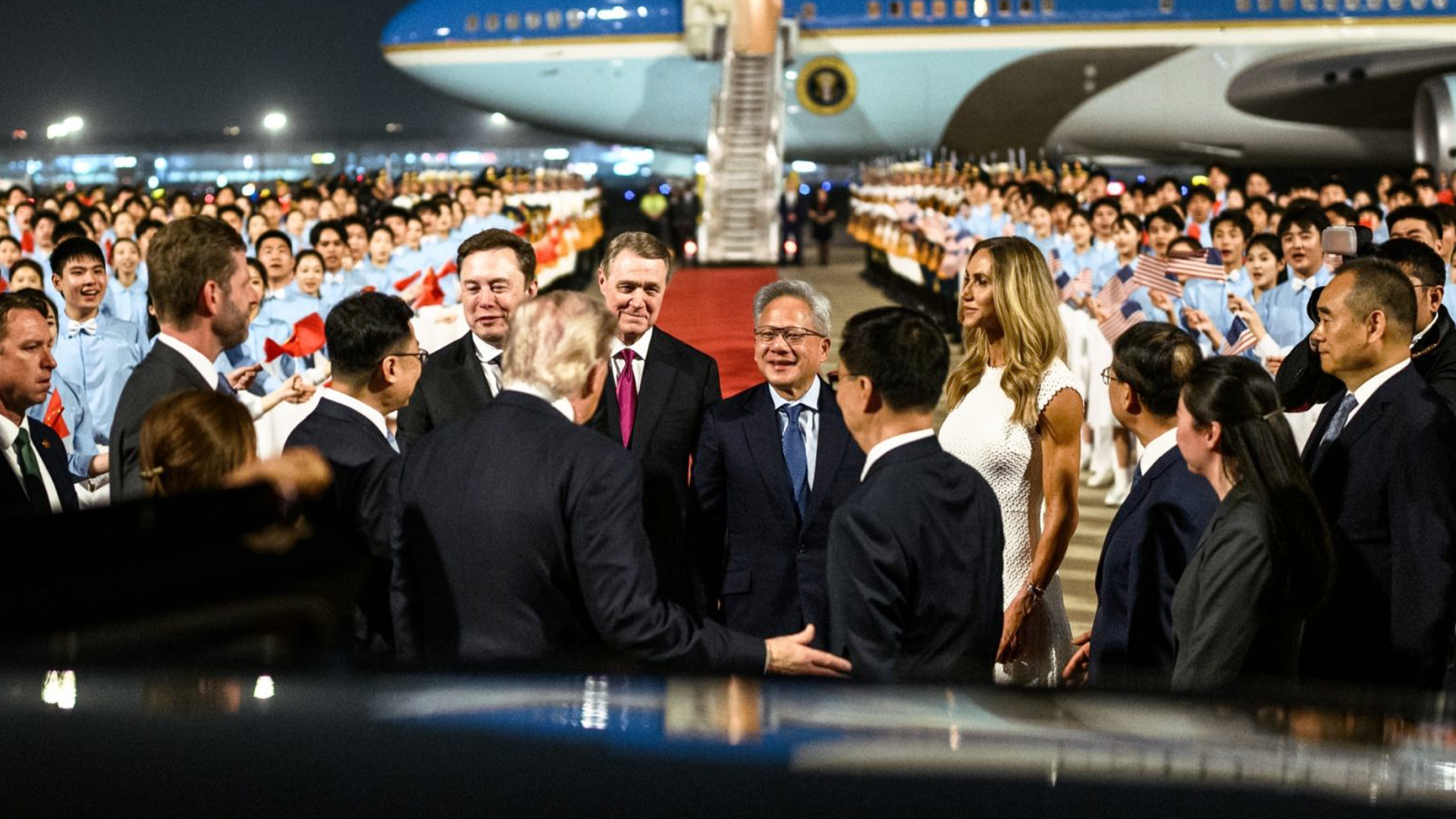
While Treasury Secretary Scott Bessent recently criticized the Trade Ministry for slowing down efforts on stricter export controls, which were reportedly opposed by its department and the State Department, President Donald Trump defended Lutnick's approach, stating that he did not intend to weaken relations with China. Trump is scheduled to attend a summit in China this week.
Written by urgent.news from Handelsblatt's reporting — not their text. Machine-written — may contain errors; check the original before relying on it.