RCSI researcher on circadian rhythm and bipolar disorder
‘Getting there wasn’t particularly straightforward. I spent a long time working in bars and applying for scholarships’. Read more: RCSI researcher on circadian rhythm and bipolar disorder
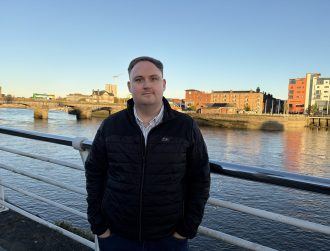
Dr Ronan Lordan, a senior postdoctoral fellow at the RCSI University of Medicine and Health Sciences' FutureNeuro Research Ireland Centre for Translational Brain Science, has dedicated his research to understanding the connection between circadian rhythm disruption and bipolar disorder. Initially, Lordan pursued a bachelor's degree in biological science at the University of Limerick (UL) with the goal of becoming a secondary school teacher.
However, it wasn't until his final-year research project that he discovered his passion for asking questions that had no known answers, leading him to pursue a PhD in cardiovascular pharmacology and nutrition at UL.
After completing his PhD, Lordan worked at the University of Pennsylvania, where he shifted his focus to circadian biology. This discipline explores how our internal biological clocks influence various aspects of health, including metabolism, aging, and cardiovascular health. Lordan's research at Penn involved studying the impact of circadian disruption on mouse models, where a core circadian clock gene, Bmal1, was deleted specifically in immune cells.
The results revealed that these mice exhibited hyperactivity and behavior patterns similar to mania, which raised questions about a potential link between circadian disruption and bipolar disorder.
Upon returning to Ireland, Lordan joined RCSI as a NeuroAdapt Marie Skłodowska-Curie postdoctoral fellow, where he now investigates how circadian disruption may contribute to bipolar disorder. Lordan emphasizes that research extends beyond laboratory discoveries, encompassing the communication of findings and the dissemination of scientific knowledge to the public.
He believes that research can significantly impact people's lives and cites his experience at the University of Pennsylvania, where he worked on translational research that could lead to new treatments and technologies.
One of the challenges in circadian biology is its interdisciplinary nature, requiring collaboration across various fields such as neuroscience, molecular biology, metabolism, pharmacology, and behavior. However, academia often favors researchers who specialize in specific fields, making interdisciplinary work difficult to fund and advance.
Additionally, the study of time and sex-related biological differences in circadian biology and disease is often overlooked, despite their potential influence on health and disease. Lordan also highlights the importance of effectively communicating scientific research and its implications, particularly in light of the pandemic, where the lack of clear communication about evolving scientific understanding led to public confusion.
Written by urgent.news from Silicon Republic's reporting — not their text. Machine-written — may contain errors; check the original before relying on it.