Rapid-Scan Satellite Data Offer Clues to Typhoon Intensity
High-frequency wind estimates derived from Fengyun-4B satellite images reveal changing typhoon structure and may improve short-term intensity predictions.
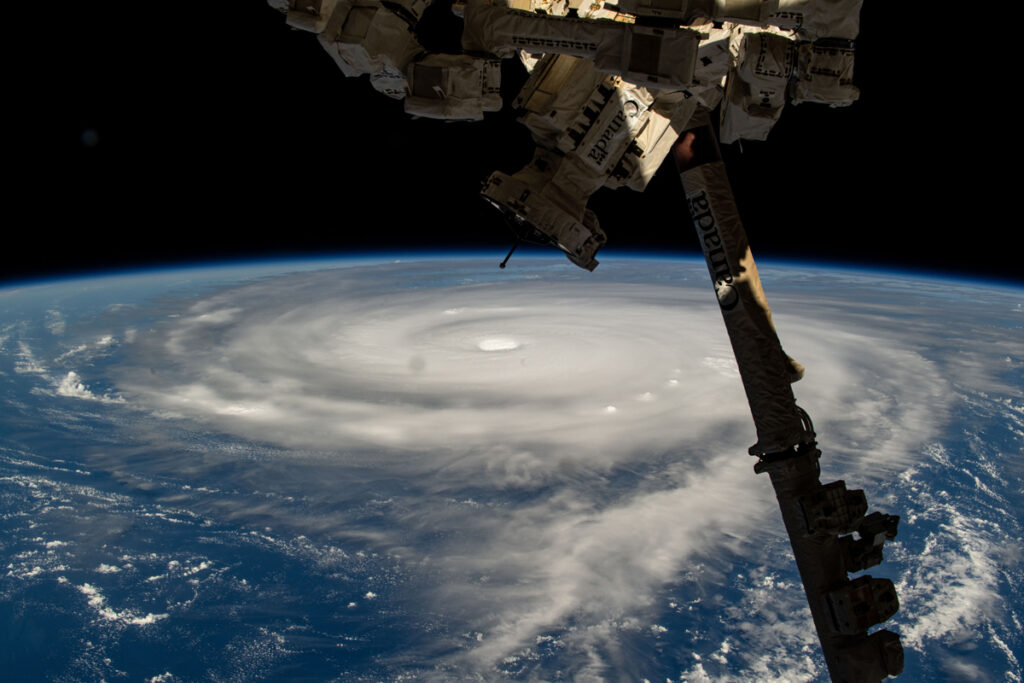
A new study highlights the potential of rapid-scan satellite data to enhance short-term predictions of typhoon intensity. Between 1970 and 2019, tropical cyclones claimed nearly 780,000 lives and caused around $1.4 trillion in economic losses. As coastal populations increase and climate change progresses, precise forecasting becomes crucial for minimizing loss of life and property.
Weather prediction models for tropical cyclones rely on data from satellites, fixed buoys, and other observation systems. While storm track forecasts have improved over the years, capturing the rapid intensification or weakening of storms remains a challenge. Incorporating finer wind data could help address this issue.
Researchers derived a wind rotation indicator using observations from the Fengyun-4B geostationary satellite, which provides wind estimates at intervals as short as 1 minute, compared to typical 10- to 15-minute intervals offered by other satellite sources. By analyzing 12 typhoons from 2022 to 2025, the authors found that including the area-mean upper-level vorticity (VORm) in statistical forecasting models reduced 6-hour forecast errors on average.
However, the improvements varied among storms and were smaller when recent intensity changes were already considered.
The authors concluded that VORm provides valuable complementary information but should not replace existing intensity and environmental predictors. Nonetheless, the high-frequency wind observations from the Fengyun-4B satellite demonstrate the potential for improving short-term typhoon intensity prediction. These rapid-scan satellite data offer a quick way to calculate vorticity and incorporate details about storm structure into short-term intensity models.
Written by urgent.news from Eos's reporting — not their text. Machine-written — may contain errors; check the original before relying on it.