Putting a spotlight on AI, society, and humanity
Supported by the MIT Human Insight Collaborative, scholars are exploring how AI is impacting the human experience and reshaping higher education.
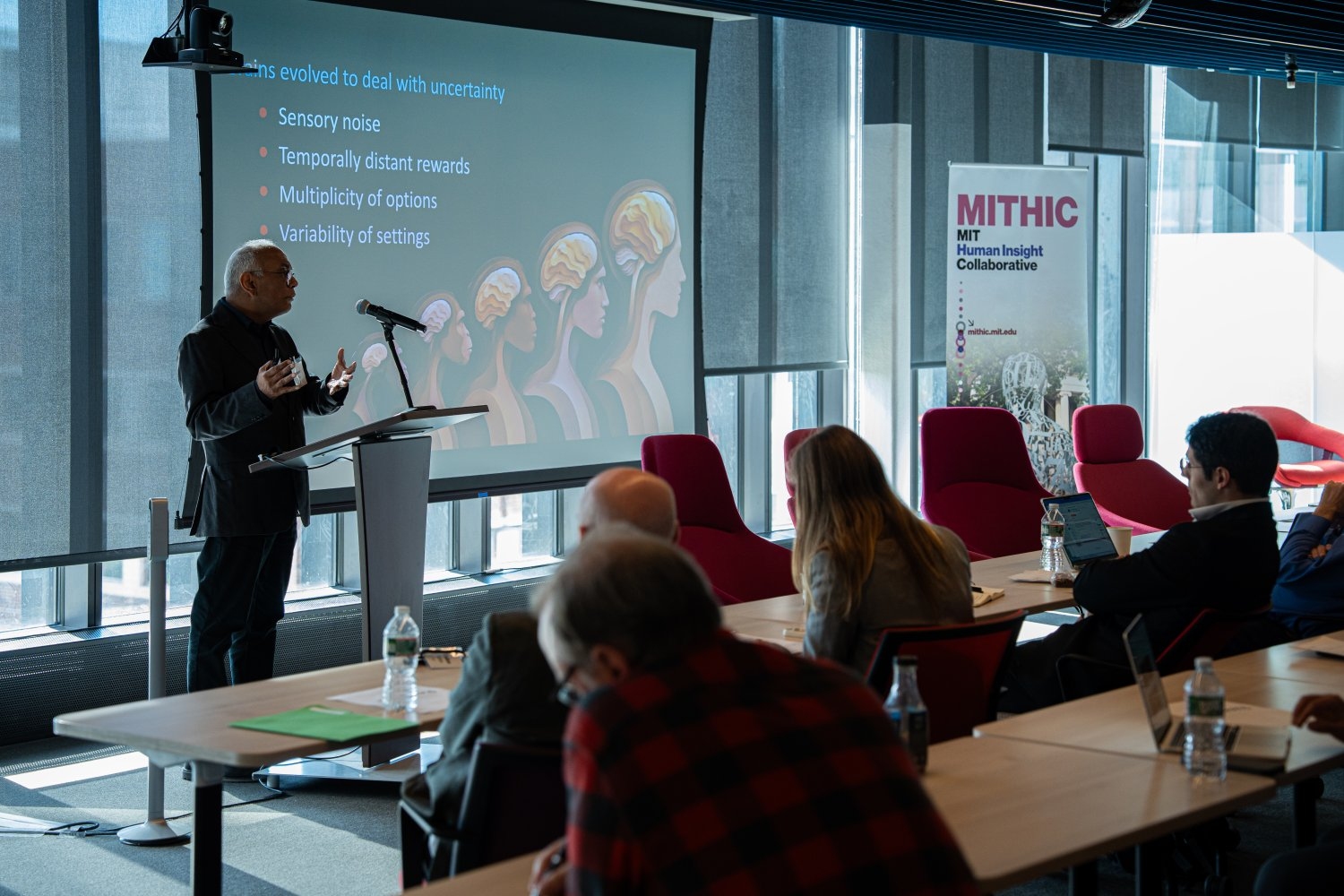
MIT students are spending less time collaborating on problem sets and with their peers, according to a recent report on artificial intelligence and education. This shift has raised concerns among MIT faculty about how generative AI is reshaping not only how individuals work, but also how they think, learn, and interact with one another.
The MIT Human Insight Collaborative (MITHIC) is addressing these issues, bringing together scholars, artists, educators, and researchers from various parts of the Institute to explore the human dimensions of AI. The focus on AI, society, and humanity has become a central part of MITHIC, which has allocated $5.5 million in funding across 67 projects in 31 MIT units.
At a campus forum, faculty co-leads Heather Paxson, Seth Mnookin, and others emphasized the importance of addressing fundamental questions about AI's impact on sociality, democracy, and creativity. MITHIC is funding interdisciplinary projects that examine the near- and long-term effects of generative AI on cognition, as well as how AI is influencing democratic knowledge and creative processes.
Written by urgent.news from MIT News AI's reporting — not their text. Machine-written — may contain errors; check the original before relying on it.