Prehistoric Humans May Have Hunted Hippos With Poisoned Spears
Peak Stone Age technology The post Prehistoric Humans May Have Hunted Hippos With Poisoned Spears appeared first on Nautilus .
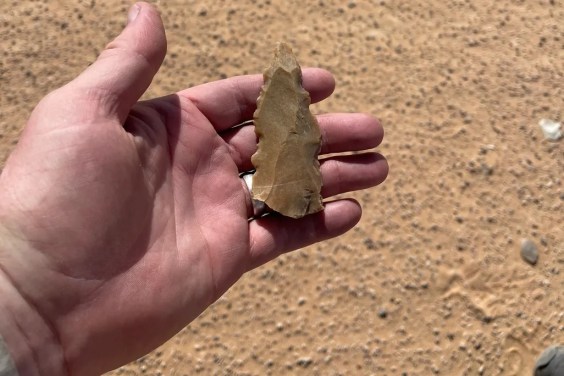
In southern Saudi Arabia, archaeologists have discovered evidence of a prehistoric lake called Mundafan that existed around 125,000 years ago. This lake, surrounded by lush wetlands, was home to a variety of large herbivores including hippopotamuses. A new study in Science reveals that prehistoric humans hunted these animals using sophisticated Stone Age technology.
The researchers found over 5,500 stone artifacts at the site, including stone-cutting implements with plant material residue and serrated edges with fibers from palm leaves. These artifacts suggest that the lakeside populations not only consumed the plants but also transformed them into useful items such as cordage, bindings, and matting.
Among the stone artifacts, the team discovered more than 130 fossilized bone fragments from hippos, antelope, gazelles, and other animals. While the bones themselves did not show signs of butchery, their close proximity to the stone tools and the density of the find suggest they were food sources.
The analysis of the stone spear tips revealed residue from plant adhesives on the hafts and toxins from the arrow poison tree on the tips. These cardiac glycosides, similar to those found in Digitalis (foxglove), could have decreased the heart rate of the massive beasts, giving the prehistoric hunters a lethal advantage in hunting them.
While this method of hunting may not have been the most sporting, it showcases the ingenuity of our early human ancestors.
Written by urgent.news from Nautilus's reporting — not their text. Machine-written — may contain errors; check the original before relying on it.
This story
This is one outlet's version. Read the fullest account.