PNG to propose three-child limit to slow surging population
The policy aims to prevent unplanned pregnancies, ease pressure on government services and household budgets, and slow the country's population growth.
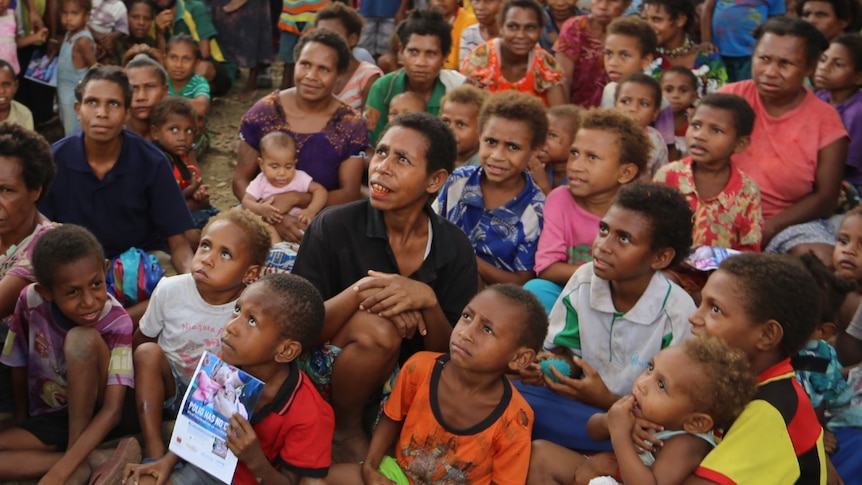
Papua New Guinea s prime minister, James Marape, may approve plans to introduce a new family planning policy limiting families to three children. The proposal aims to curb the country s high birth rate, ease pressure on government services and household budgets, and slow population growth. Current statistics show a population of about 10.18 million, growing by more than 180,000 annually.
However, economists question the accuracy of census data, suggesting the real population could be closer to 12 million. Factors contributing to the surge include teenage pregnancies, high rural birth rates, limited healthcare and contraception access, and stigma in rural areas. Only 25% of women of reproductive age use modern contraceptives.
The government s 2025 national reform road map notes a fertility rate of 3.6 children per woman, with an adolescent birth rate of 64.9 per 1,000 girls and women aged 15-19. Health experts believe the actual population could be higher than officially reported, with the most recent census potentially inaccurate due to logistical and administrative issues. The proposed policy draws parallels to China s now-abandoned one-child policy.
Written by urgent.news from ABC News AU's reporting — not their text. Machine-written — may contain errors; check the original before relying on it.