Past experiences with classical music predict a taste for sophisticated genres
A newly developed scale finds that emotional experiences with classical music during childhood predict a preference for sophisticated genres like jazz and opera later in youth.
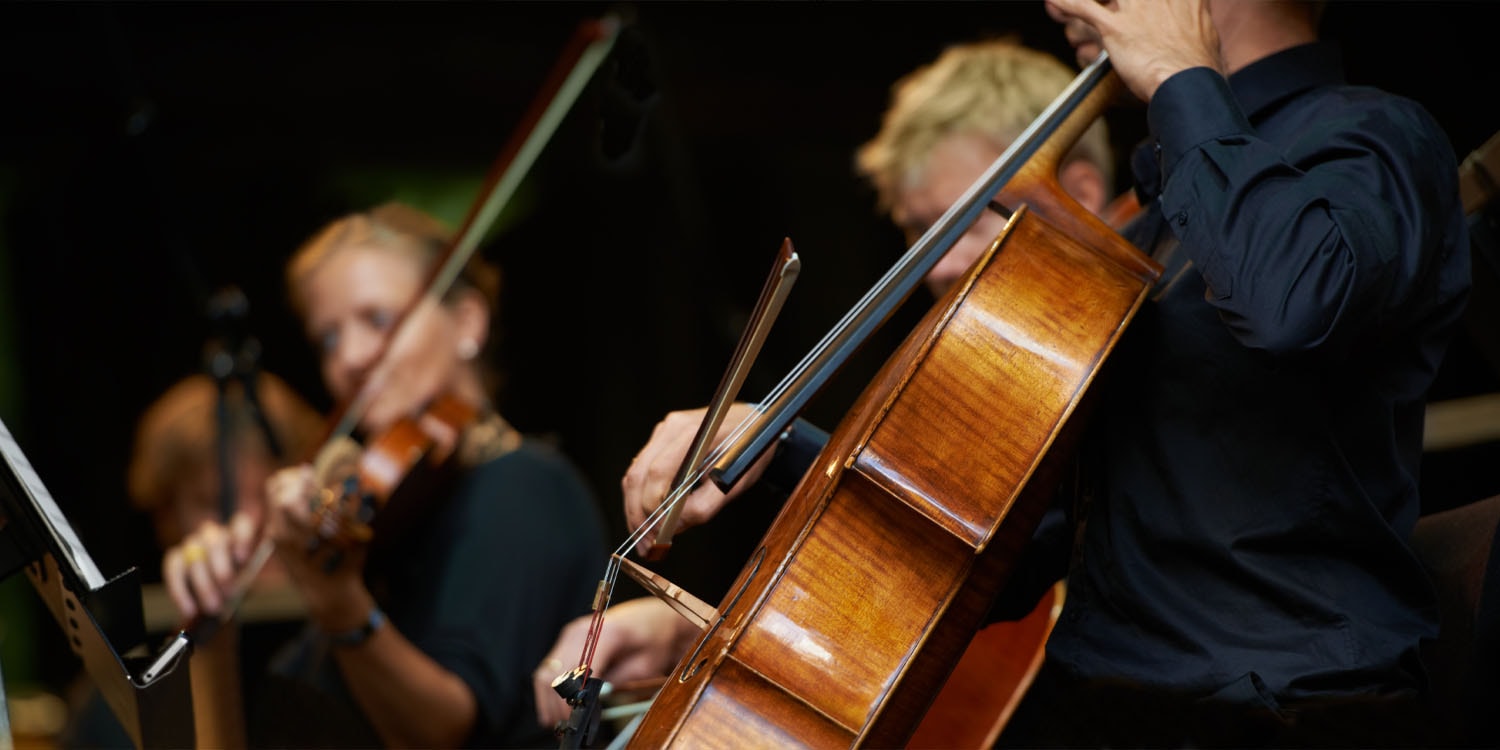
Young individuals who have frequently engaged with classical music often develop a preference for sophisticated musical genres such as jazz and opera. Researchers have developed a survey tool to measure past emotional experiences with classical music and its relationship to future musical tastes. This study, published in Psychology of Music, categorizes sophisticated music as complex, primarily instrumental, and emotionally engaging.
Music education programs aim to increase appreciation for classical music among younger generations, but past studies reveal a narrowing of genre preferences during adolescence as teens gravitate towards popular music. Psychologists classify classical, opera, jazz, and world music under sophisticated music, characterized by perceived complexity and instrumental focus.
The MUSIC model helps researchers understand musical preferences. In the first study, 151 secondary school students, aged 15 to 18, listened to obscure, professional-quality musical clips of sophisticated music, rating their enjoyment and emotional responses. Those with more past experience with classical music tended to use music for emotional and cognitive purposes and were more likely to enjoy the clips.
Formal music training did not predict preference once past exposure was considered. The second study involved 286 primary school children, aged 8 to 14, who listened to a two-minute excerpt from Antonín Dvořák’s Symphony No. 9. Children's emotional activation during the listening session was a stronger predictor of liking the music than calmness.
Emotional engagement with classical music in the past remained the strongest predictor of liking sophisticated music excerpts, regardless of formal training.
Written by urgent.news from PsyPost's reporting — not their text. Machine-written — may contain errors; check the original before relying on it.