NASA's Voyager 1 launched second, so how did it beat Voyager 2 to a light-day by nearly a decade?
Voyager 1 just reached a light-day in space, but Voyager 2 won't do the same until 2035, due to speed choices made throughout their 50-year missions.
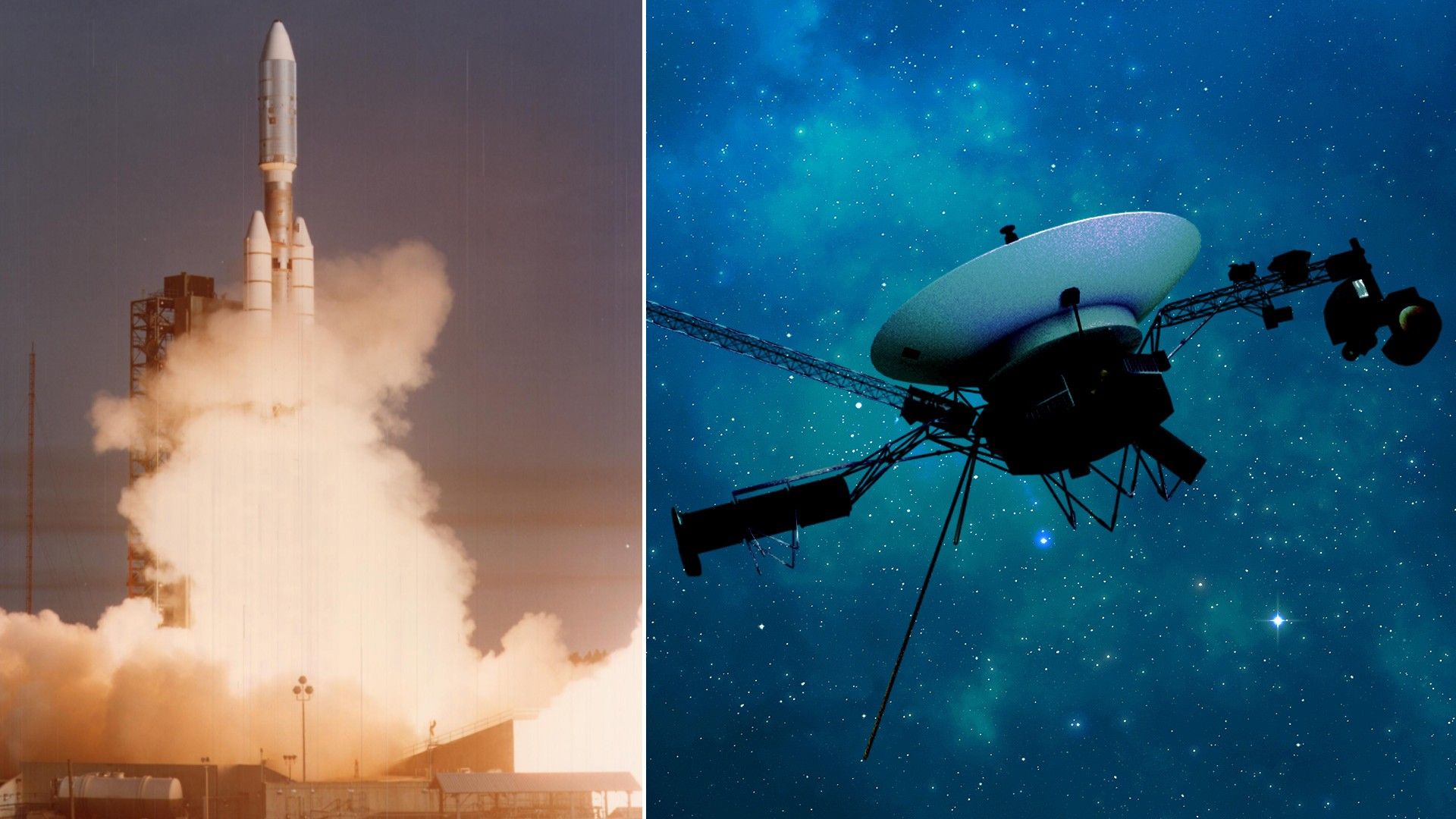
Voyager 1 is poised to mark a significant milestone by reaching a light-day distance from Earth, while Voyager 2 won't achieve the same feat until roughly a decade later, in 2035. This disparity stems from decisions made during the initial phases of the twin spacecraft's journey, particularly their planetary flybys. As the spacecraft are propelled by the speed of light, which is the ultimate speed limit in the universe, NASA will commemorate the achievement by inviting public participation in transmitting Morse Code signals in space.
The disparity in the spacecraft's speeds can be attributed to their initial trajectories set during the 1977 launch, with Voyager 1 departing two weeks ahead of Voyager 2.
Written by urgent.news from Space.com's reporting — not their text. Machine-written — may contain errors; check the original before relying on it.
This story
This is one outlet's version. Read the fullest account.