Microsoft’s ARM-based Cobalt 200 chips go GA. Why it matters for AI agents.
Microsoft is making its Cobalt 200 virtual machines generally available, with CPU improvements aimed at the sandboxes, tools, and code The post Microsoft’s ARM-based Cobalt 200 chips go GA. Why it matters for AI agents. appeared first on The New Stack .
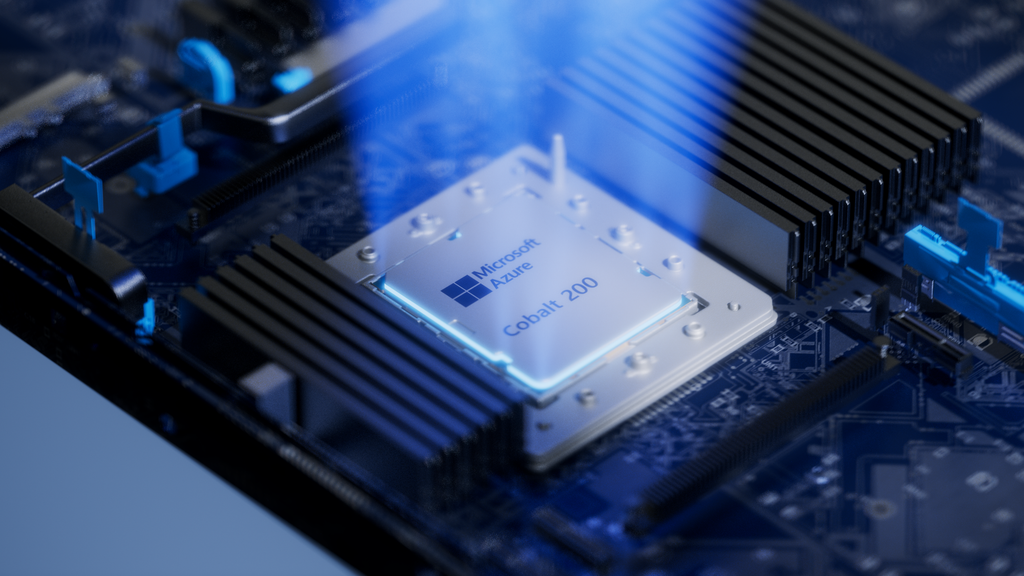
Microsoft has made its Cobalt 200 virtual machines generally available, featuring CPU improvements that cater to AI agents and sandboxes. The second-generation ARM-based CPUs are now accessible in 14 Azure regions, with an additional 9 regions to follow by year-end. Cobalt 200 delivers up to 50% better performance compared to its predecessor, Cobalt 100, particularly in AI agent tool execution.
Pat Stemen, Microsoft's vice president for Azure Cobalt, explained that the company optimized the infrastructure over the past year, using benchmarks to fine-tune performance for tasks like file searching, code compilation, and sandbox operations.
Cobalt 200 offers two processor modes: deterministic and opportunistic. Deterministic mode clocks cores at a consistent 3.2 GHz, while opportunistic mode can push them up to 3.6 GHz under favorable conditions, potentially yielding up to 12% more performance. Developers can choose between the two modes when creating VMs or modify them later through the Azure portal, command-line tools, or infrastructure templates.
Cobalt 200 chips are built using 132 Arm Neoverse V3 cores on TSMC's 3nm process, providing up to 128 vCPUs and 3 MB of private L2 cache per vCPU. Additionally, they feature 192 MB of system-level cache and 12 channels of DDR5 memory.
The chip's large caches, memory performance, and physical cores make it well-suited for workloads like sandbox initialization. Cobalt 200 offers predictable performance or increased speed, depending on the chosen mode. Microsoft recommends deterministic mode for distributed data and analytics clusters and services with tight performance requirements, while opportunistic mode benefits web and API services, transaction processing, and media workloads. Developers can select the mode for each VM during creation or change it later.
Cobalt 200 incorporates Azure Boost, which offloads networking and storage processing from the host, resulting in up to 15% higher network bandwidth and 20% higher remote storage IOPS compared with Cobalt 100. Microsoft's own services, such as the Teams media-processing service, have reported 1.65 times the performance on Cobalt 200 compared with Cobalt 100. Other Microsoft services, including Azure Database for PostgreSQL, Azure DevOps, Azure SQL, and Microsoft 365, have also benefited from the upgrade.
Additionally, Cobalt 200 introduces two new families: the high-memory Mpsv4 family with 16 GiB of memory per vCPU and the storage-optimized Lpsv5 family offering up to 23 TB of local NVMe storage. With Cobalt 200, Microsoft aims to make a significant portion of its new Azure Compute capacity available in 2027 and beyond. While the company will continue to invest in x86 chips, the growing demand for large in-memory databases and enterprise workloads demonstrates the increasing relevance of Cobalt 200.
Written by urgent.news from The New Stack's reporting — not their text. Machine-written — may contain errors; check the original before relying on it.
Also reported by 1 other outlet
- AI agents in bond market arrive with a stealthy Microsoft trade businesstimes.com.sg