Meth filling void in Gulf as Syria's Captagon trade collapses, UN warns
Methamphetamine is taking hold across the Middle East as drug gangs move to fill the gap left by the collapse of Syria's Captagon trade, a senior UN official has warned. The end of the war in Syria ruined production of Captagon and broke up the smuggling networks that had flooded the region with the illegal pills, said Siri Bjune of the UN Office on Drugs and Crime (UNODC). But crime gangs have…
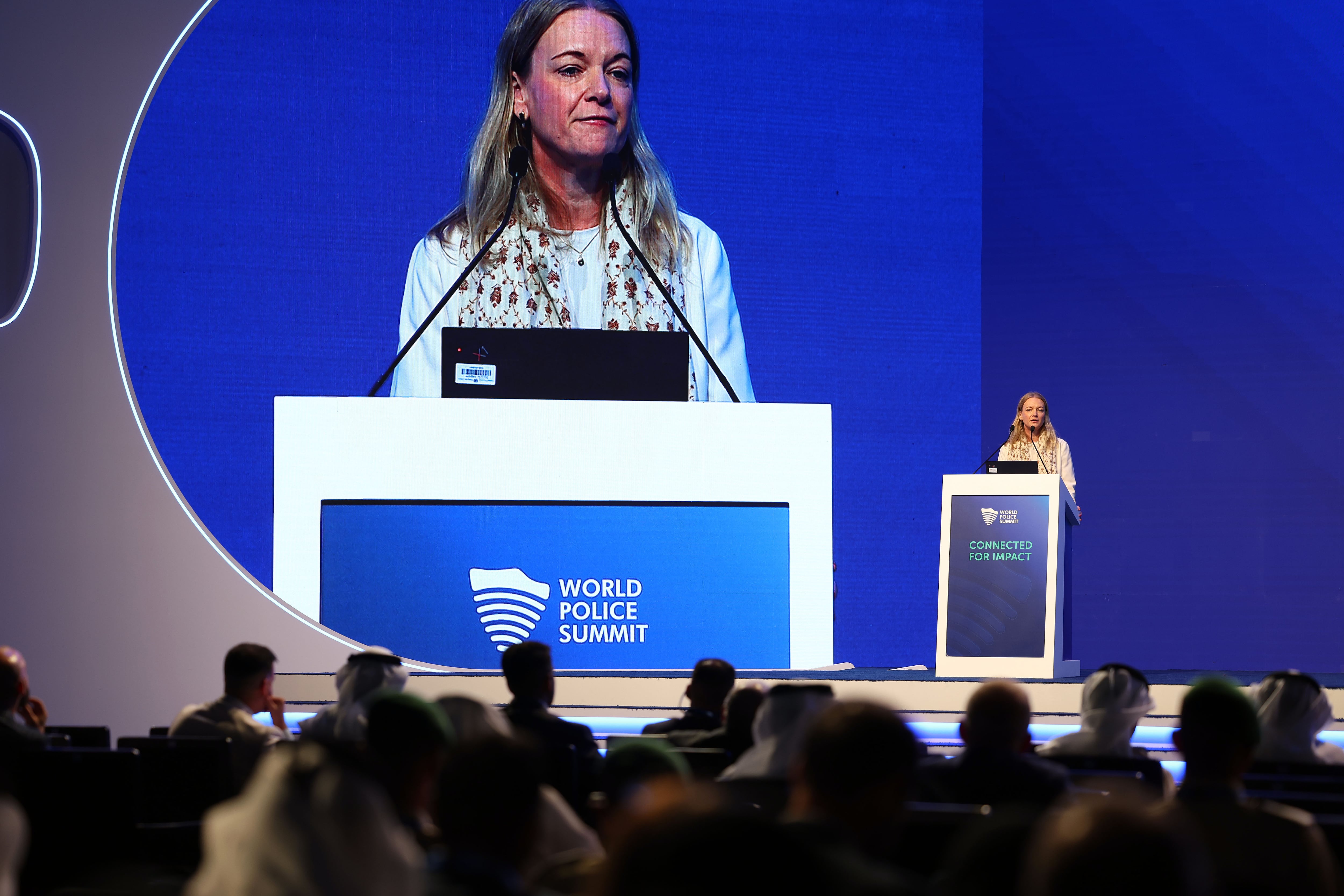
As the UN warns that methamphetamine is filling the void left by the collapse of Syria's Captagon trade, a senior official from the United Nations Office on Drugs and Crime (UNODC) has spoken out about the growing problem. Siri Bjune, chief of the UNODC's border management branch, revealed that the end of the Syrian conflict has disrupted Captagon production and weakened the networks supporting the illegal drug market in the Middle East.
Captagon, once the dominant drug in the region under the Assad regime, has been replaced by methamphetamine, which is now entrenched across the Near and Middle East.
The UN's World Drug Report 2026, presented by Bjune, highlights the alarming rise in drug use worldwide, with 331 million people using drugs in 2024, a 34% increase from a decade earlier. Methamphetamine remains the largest synthetic drug market, with North America, East Asia, and South-East Asia still its primary consumers. However, smugglers are expanding their reach, targeting new regions such as the Middle East by exploiting smaller ports, new transit corridors, and advanced technologies.
Bjune also warned about the Taliban's weakening of opium production in Afghanistan, which has surged by four times in a year, generating an estimated $525 million for traffickers in 2026. The report raises concerns over the misuse of tramadol in Africa and the spread of nitazenes, a potent group of synthetic opioids. Ketamine, now the fastest-growing drug on Interpol's radar, has been hidden in everyday goods like green tea packets and concealed in the same distinctive packaging, as revealed by a seized shipment washed up on a beach in South Korea.
Interpol's Stephen Fry emphasized the need for police to treat every seizure as a lead, tracing routes, money flows, middlemen, and suppliers. Ketamine seizures have overtaken methamphetamine for the first time during Operation Lionfish-Mayag, with fentanyl seizures also reaching a record high at 63 million potentially fatal doses.
Traffickers are increasingly hiding drugs in everyday items and using doctored customs papers to avoid detection, driven by AI's ability to produce convincing fakes. To combat this, Gabor Sztankovics, a UNODC regional adviser, urged police to target the business models behind organized crime, focusing on the market, supply chain, and the expertise of encrypted communications specialists.
Written by urgent.news from The National Business's reporting — not their text. Machine-written — may contain errors; check the original before relying on it.