Massive Kik data breach exposes more than 150 million images — experts say popular messaging app may have leaked incredibly sensitive material
Some of the images could be described as containing child sexual abuse material and were reported to authorities.
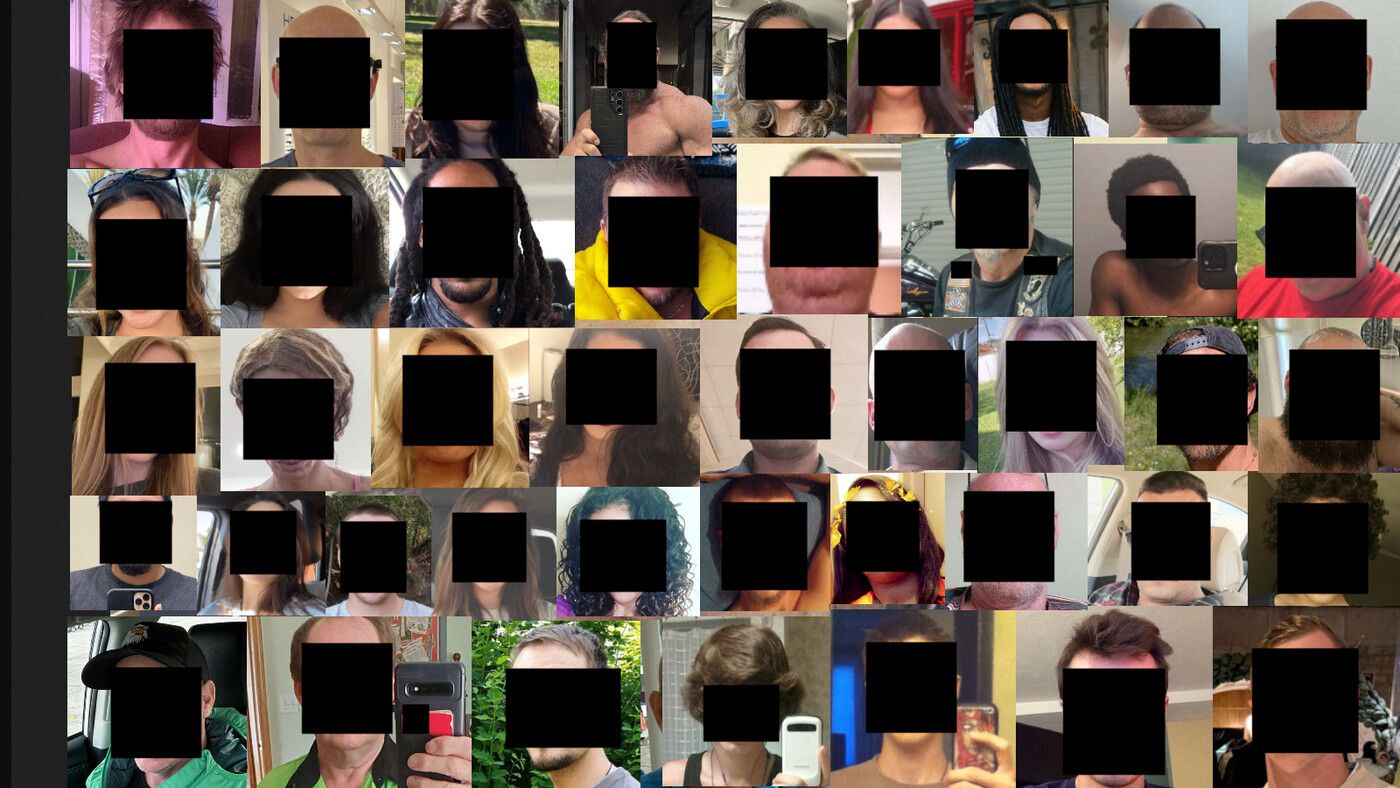
An extensive data breach on Kik, a widely-used American instant messaging app, has exposed over 150 million profile images, with around 75 million of those being original photos. The images were found to be publicly accessible online, which raised concerns about potential exposure of minors. The exposed database was eventually secured, but questions linger about the duration of exposure and any pre-existing unauthorized access.
Kik, a popular American messaging platform, was leaking profile pictures onto the clearweb, putting children and young adults at risk. A security researcher, Jeremiah Fowler, disclosed the discovery of an unencrypted database that anyone with an internet connection could access. Fowler found a database containing approximately 150 million images uploaded between the years 2021 and 2026.
He identified around 75 million of these images as unique, high-resolution photos. Following his discovery, Kik promptly locked down the database. However, the company declined to provide further information regarding the number of exposed individuals, the duration of the database's openness, who managed it, and if any malicious actors accessed it prior to Fowler's findings.
The breach took a darker turn when it was discovered that within a sample of 2,000 images, 66 profile pictures contained potential child sexual abuse material (CSAM). Kik is primarily popular among teens and young adults, with studies suggesting that 40% of American teenagers and 70% of users fall within the 13 to 24 age bracket.
Fowler reported the potentially underage images to the National Center for Missing & Exploited Children (NCMEC) and the Connecticut Attorney General's office, expressing concerns about the presence of nudity or adult-themed content in the majority of the profile images he reviewed.
Written by urgent.news from TechRadar's reporting — not their text. Machine-written — may contain errors; check the original before relying on it.