La concentración bancaria británica llegará, pero sin prisas
Metro Bank ofrece depósitos baratos y escala, pero sus sucursales y la regulación complican una fusión
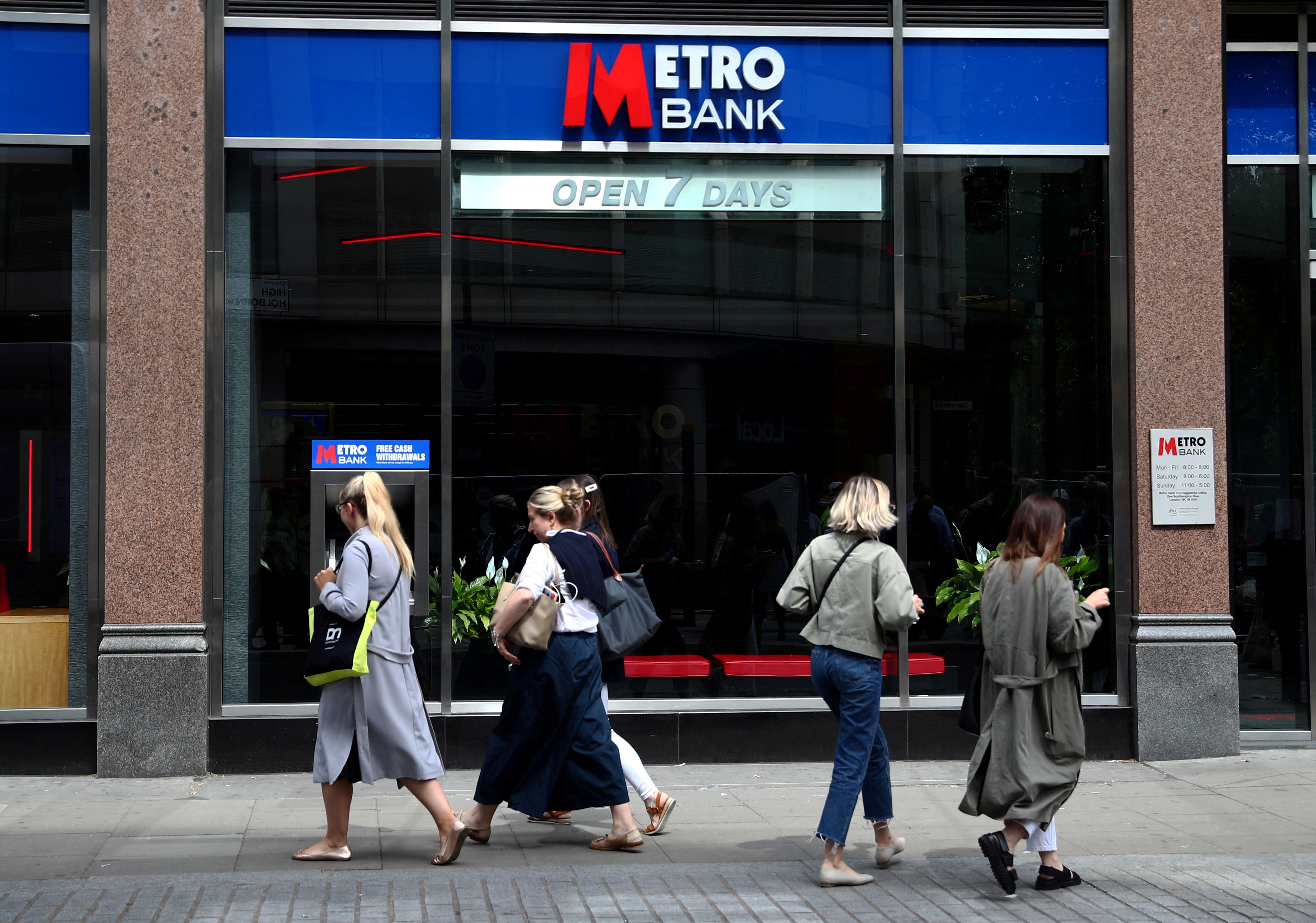
British banking concentration is advancing, though not quickly. Metro Bank, valued at £1.3 billion (€1.6 billion), has gone up for sale and could inject scale and low-cost deposits into rivals like Shawbrook. However, combining forces can cause headaches. Alternative British banks like Metro, Shawbrook, and Aldermore were meant to break the dominance of big players after the 2008 financial crisis.
Yet, years later, they remain tiny compared to giants like NatWest or Lloyds, which still dominate current accounts and mortgage lending. Despite this, they have been good investments at the right time. Metro stood out by opening on Saturdays, encouraging customers to visit branches, and even providing water for dogs. But a capital deficit in 2023 forced it to raise funds.
Since then, Metro's share price has quintupled, giving a hefty gain to its 53% owner, Jaime Gilinski Bacal. It is expected that the group will achieve a respectable return on tangible capital of 15% next year. It seems like a good time for Gilinski to pull some cards from the table, and that appears to be the impetus after the strategic review announced on the 12th.
The question is who will buy Metro. The possibility of a sale is far from secret, and if potential buyers queue up, the bank might already be negotiating. Barclays or even Lloyds could defend the operation from a financial perspective. Metro has a solid and abundant current account business with a loan-to-deposit ratio of only 71%, which could be especially attractive when banks compete for cheap funding.
An operation would also save by eliminating overlapping costs and duplicate technology investments. Santander aimed to cut a massive 50% of costs when it acquired TSB last year, saving at least £50 million (€60 million), which would be worth over £1 billion (€1.2 billion) after taxes and accounting for restructuring costs of, say, £300 million (€360 million).
The problem is Metro also has around 80 branches with long-term rental contracts. Banks that have been folding streets and now tout savings brought by artificial intelligence may have little appetite for more real estate. A more intriguing idea is that Metro merge with another alternative bank. Shawbrook, a listed rival valued at £1.4 billion (€1.7 billion), considered buying it in the past, according to published information.
Again, the appeal could be cheap funding, as most alternative banks finance through more expensive term deposits or wholesale markets. The flip side is that British regulation discourages mergers, as larger banks must maintain costly debt capable of absorbing losses, known as MREL, which would erode some advantages. Arriving at an agreement could also be tricky, as Metro has a relatively high valuation and trades above its tangible value.
This could cool the appetite of cheaper potential merger partners. And Gilinski may find it difficult to achieve a cash exit, as most alternative bank operations are likely to be paid in shares. There may be other options. British mortgage credit societies, which are essentially mutual entities, have shown willingness to buy: Nationwide Building Society acquired Virgin Money in 2024.
A venture capital group could also step in, buying a stake and financing Metro's growth or the search for an operation. While concentration may be difficult, it will become increasingly decisive in the coming years. Falling interest rates could erode banks' net interest income, while savings derived from AI could increase competition in lending.
Meanwhile, financial tech firms like Revolut are gaining scale. Life will become increasingly tough for small entities.
Written by urgent.news from El Pais Economia's reporting — not their text. Machine-written — may contain errors; check the original before relying on it.