Japan’s most powerful supercomputer may have been hacked, over 4,000 users’ personal data stolen
Fugaku, Japan's most powerful supercomputer, has suffered a suspected data breach, with the information of more than 4,000 of its users potentially stolen as a result.
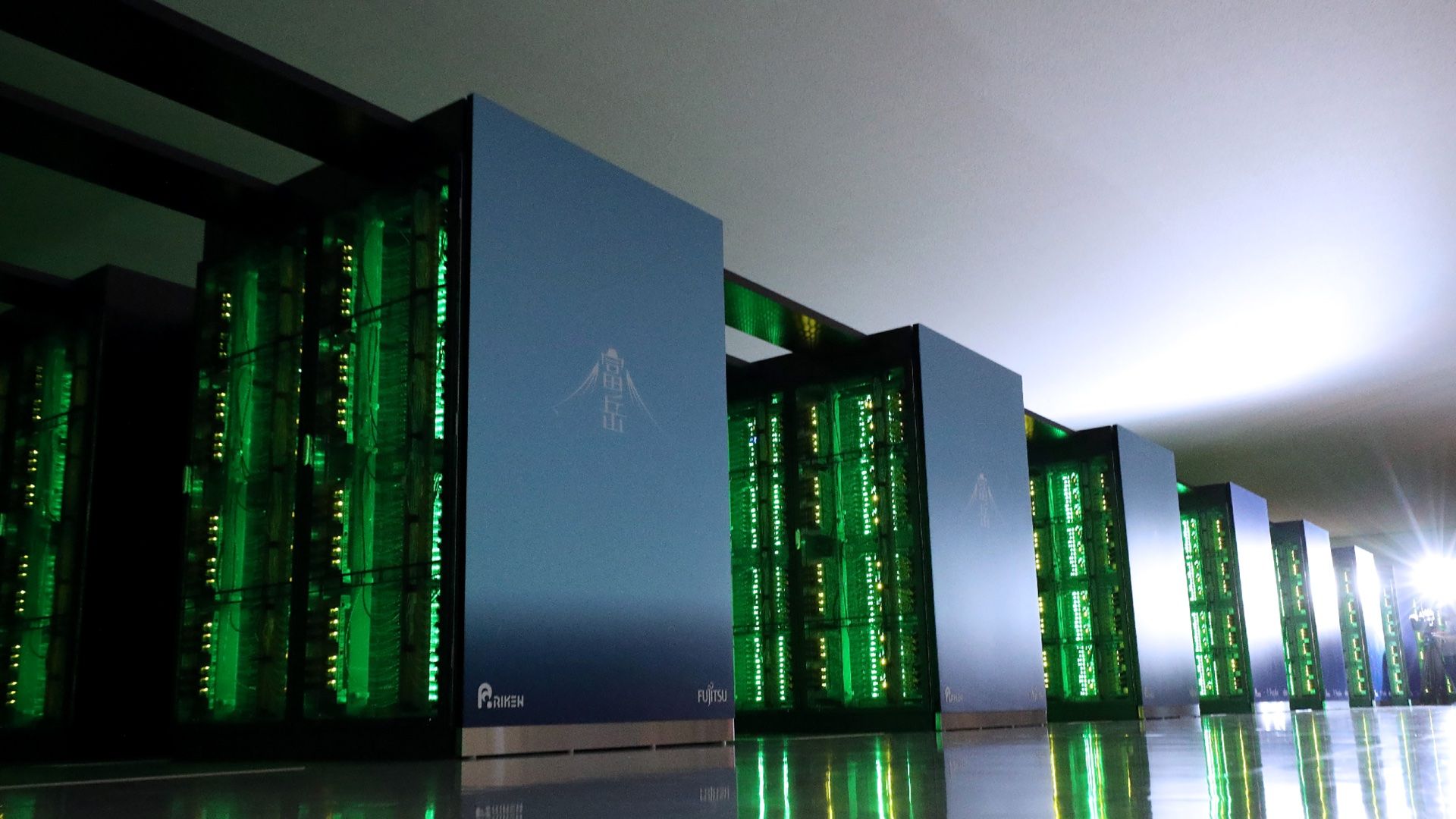
Fugaku, Japan's most powerful supercomputer and the ninth-fastest in the world, has reportedly been hacked, with over 4,000 users' personal information potentially stolen, according to its operator Riken. The breach was first discovered by the supercomputer's operators on November 12, leading to an investigation that confirmed unauthorized access took place between November 10 and November 13.
The hackers exploited Fugaku's externally accessible operational status dashboard to gain access to the supercomputer's internal network.
Fugaku, operated by Riken, the country's national research institute, was officially launched in March 2021 after being developed in collaboration with Fujitsu. It cost around ¥130 billion (approximately $817 million in 2026) to create. The supercomputer is a vital component of Japan's research and development infrastructure. Riken has stated that some servers had unauthorized software installed following the discovery of the breach.
The Japan Times reports that the affected users include 4,001 individuals from Fugaku and an additional 375 users of Riken's Rikyu AI supercomputer. The stolen personal information includes names, email addresses, research files, and authentication information used to access the supercomputers and related services. The Japan Ministry of Education, Culture, Sports, Science and Technology (MEXT) has been informed of the incident, and Chief Cabinet Secretary Minoru Kihara has confirmed that MEXT and Riken are working together to investigate the breach and determine its full scope.
Kihara emphasized the importance of prioritizing security while minimizing the impact on research activities.
Currently, Fugaku is offline while security concerns are addressed. The Japan Times notes that China's LineShine remains the world's fastest supercomputer.
Written by urgent.news from Tom's Hardware's reporting — not their text. Machine-written — may contain errors; check the original before relying on it.