IF THE SHOE FITS : It’s time for the SA government to back locally made clothing
South Africa’s clothing, textile, footwear and leather industry has been in persistent decline, and the state should do more to help – starting with its own procurement.
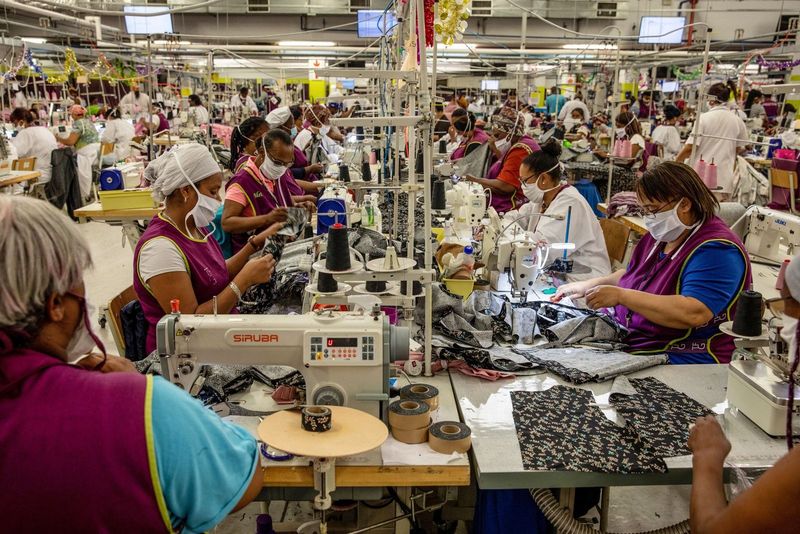
South Africa's clothing, textile, footwear and leather industry has experienced a steady decline over the past two decades. To help revive this sector, the government should prioritize locally made clothing, starting with procurement, according to Graham Choice, chairperson of the Cape Clothing and Textile Cluster. The Localisation Support Fund reports that South African retailers are willing to source up to 81 million additional garments locally by 2030, which could create up to 34,000 jobs.
Creating jobs in this industry is beneficial due to its job-multiplying potential. For every manufacturing job created, four more jobs are generated throughout the economy. The sector requires skilled labor, but training can be completed within a few months, turning new employees into competent workers on the manufacturing floor.
Women make up more than two-thirds of the workforce in clothing manufacturing, offering them opportunities in a traditionally male-dominated industry. Local manufacturing also benefits retailers by shortening supply chains, reducing working capital requirements, and minimizing the risk of aging stock. However, supply chain challenges persist, such as port delays in Durban, which can take up to three weeks to clear.
One of the main obstacles for local clothing factories is access to fabric supply. While technical fabrics have some capability, there is a shortage of capability in producing natural fibre fabrics. This lack of capability is partly due to the need for significant investment in machinery. Additionally, South Africa has fallen behind in global competition due to the rise of East Asian manufacturing and the entry of discount e-commerce platforms like Shein and Temu in 2020.
These platforms have gained significant market share, contributing to job losses and price competition. Cosatu, a trade union federation, has called for a ban on Shein and Temu, citing potential job losses and the need for the platforms to pay proper taxes, comply with consumer protection laws, and reduce their dominance in online advertising. Despite the challenges, local supply needs to be globally competitive to avoid handouts from retailers.
Written by urgent.news from Daily Maverick's reporting — not their text. Machine-written — may contain errors; check the original before relying on it.