How ‘Victorian Psycho’ Went From Unpublished Novel to Maika Monroe Horror Film
Author Virginia Feito tells TheWrap about adapting her own work, the challenges of moving gory horror scenes to visual media and why she decided to change the ending The post How ‘Victorian Psycho’ Went From Unpublished Novel to Maika Monroe Horror Film appeared first on TheWrap .
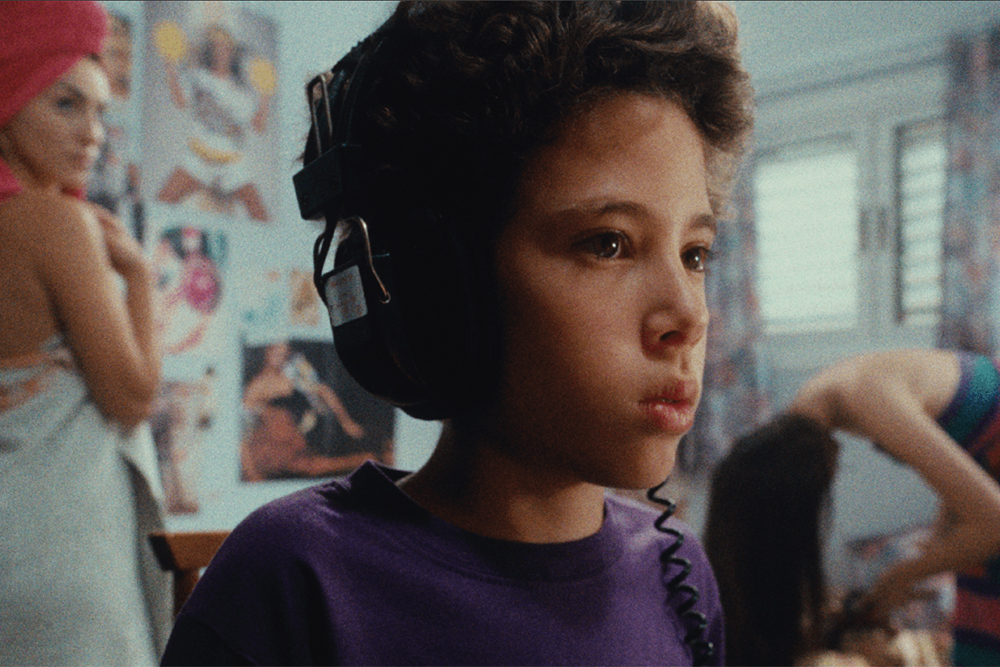
Virginia Feito's "Victorian Psycho" has taken an unexpected journey from a manuscript to the big screen. The horror novel, written by Spanish author Virginia Feito, began development into a film long before it was published. The film, directed by Zachary Wigon and written by Feito herself, debuted in theaters on November 13th. Set in 1858, the story follows Winifred Notty (played by Maika Monroe), a peculiar young governess who arrives at the remote gothic manor Ensor House to assume a position with a wealthy family.
However, as staff members start disappearing, the household grows suspicious that Winifred may be harboring something sinister.
Feito's involvement in the adaptation allowed her to approach the story from a distinct creative angle. While she collaborated closely with Wigon on the screenplay and served as an executive producer, she also wanted to let the material evolve, rather than striving for a faithful reproduction. As Feito explained to TheWrap, "It’s a different language so you will inevitably lose some things but you will also gain unexpectedly great ones."
This meant making significant alterations, including changing the ending, which proved to be a risky move but ultimately enhanced the film's restrained visual style and allowed the novel and the movie to remain two separate works.
The film premiered at the Cannes Film Festival in May, where it received a five-minute standing ovation. Since its theatrical release, "Victorian Psycho" has earned a Certified Fresh designation on Rotten Tomatoes, attesting to its positive reception from critics. The cast includes Thomasin McKenzie, Ruth Wilson, and Jason Isaacs, with Feito expressing surprise and delight at Monroe's portrayal of Winifred.
Feito shared that Monroe's Winifred was more tender and sweet than she initially expected, leading to a different emotional impact when she becomes angry.
Adapting her own novel offered Feito a unique creative challenge. Screenwriting requires a high level of collaboration, while writing a novel is a solitary process. Additionally, the novel's internal monologue and graphic violence presented difficulties in transitioning to the screen. Feito acknowledged that she had to make compromises, such as removing flashbacks to Winifred's childhood and changing the ending.
Despite these changes, she was excited to explore new possibilities and create something distinct from her original work.
Written by urgent.news from TheWrap's reporting — not their text. Machine-written — may contain errors; check the original before relying on it.