Google’s Spark AI agent becomes ‘Tasks’ — and now it’s free
Google is rebranding its Spark AI agent as "Tasks" and making it free to use. The feature, which is powered by Google's new Gemini 4 Hydrogen AI model, can do things like create meal plans, manage your calendar, and dig through your emails to find recurring expenses you might not need. Users in the US […]
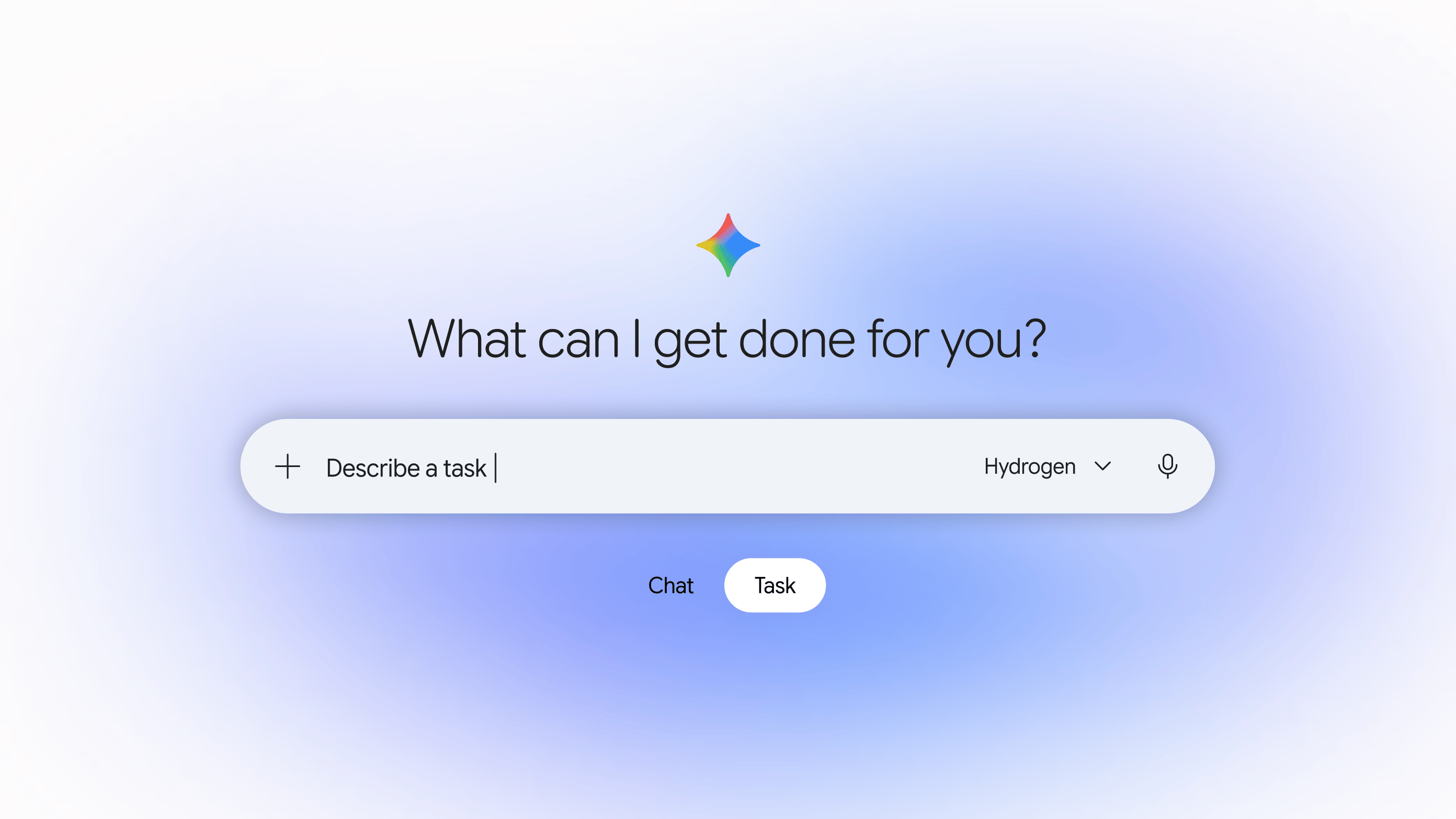
Google has renamed its Spark AI agent to "Tasks" and made it available for free use. This AI agent, powered by Google's new Gemini 4 Hydrogen AI model, can perform tasks such as creating meal plans, managing calendars, and identifying unnecessary recurring expenses in emails. In the United States, users will also be able to call businesses for price comparisons, make purchases with Google Pay, and sign into accounts supported by Google Password Manager.
Moreover, US users can assign tasks to Gemini via email or text message. Google introduced the Spark AI agent in May, but made it accessible to all users in the US, Canada, Japan, Korea, Australia, and India with the launch of tasks in Gemini. Users can access these tasks by changing the toggle on the homepage from "Chat" to "Tasks."
Google emphasizes that Gemini will execute tasks in a "hardware-isolated virtual machine dedicated to your account and never shared with other users." For sensitive tasks, Gemini will require permission before proceeding.
Written by urgent.news from The Verge's reporting — not their text. Machine-written — may contain errors; check the original before relying on it.