Endangered Irish crayfish species to be bred in captivity
Pressures on a small crayfish, essential to the health of Ireland's rivers and lakes, have led Dublin Zoo and Fota Wildlife Park to start breeding them in captivity.
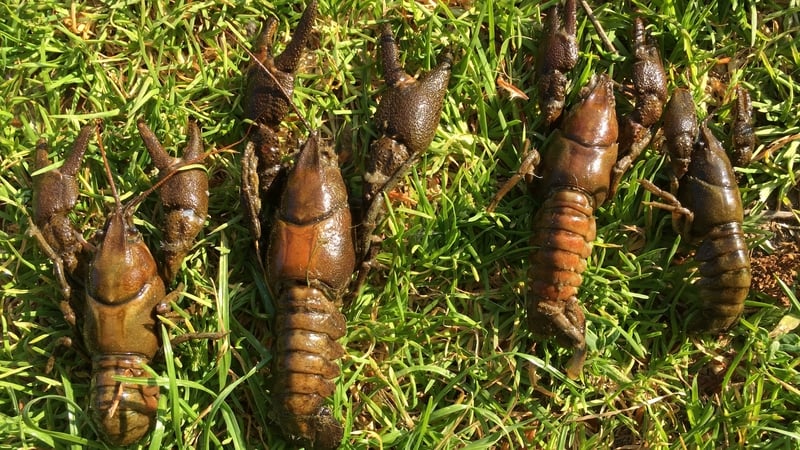
A small Irish crayfish species, vital for river and lake ecosystems, is set to be bred in captivity by Dublin Zoo and Fota Wildlife Park. The white-clawed crayfish, a native species, is considered a keystone species and bioindicator, reflecting the health of its aquatic environment. However, it is now classified as endangered due to crayfish plague, invasive crayfish species, and pollution.
Crayfish plague, a fungal infection, can wipe out entire populations of white-clawed crayfish in a body of water. It can be transmitted by North American signal crayfish or through boats and equipment. Once native to Europe, the species has seen its populations decimated by plague and competition from signal crayfish.
The white-clawed crayfish, a lobster-like creature, can reach 12cm in length and can live up to 10 years, feeding on other invertebrates. It is primarily nocturnal but can be spotted foraging in shallow, rocky lakeshores on warm evenings. Minister of State for Nature, Heritage and Biodiversity Christopher O Sullivan has allocated €480,000 for a four-year conservation project involving Fota Wildlife Park and Dublin Zoo.
The initiative aims to establish secure populations of the white-clawed crayfish and facilitate its reintroduction to areas where it has been eradicated. Dublin Zoo, home to the IUCN Centre for Species Survival: Ireland, will bring its expertise in population management and conservation breeding to the project. Fota Wildlife Park, which previously rescued the last remaining white-clawed crayfish from the Awbeg River, has also successfully bred the threatened species in their aquatic facility.
The project, in collaboration with the National Parks and Wildlife Service, combines scientific expertise, practical conservation efforts, and strong partnerships to address the challenges facing this native species.
Written by urgent.news from RTE News's reporting — not their text. Machine-written — may contain errors; check the original before relying on it.