Elastic{ON} Mumbai: Why context, not the model, is the real AI advantage
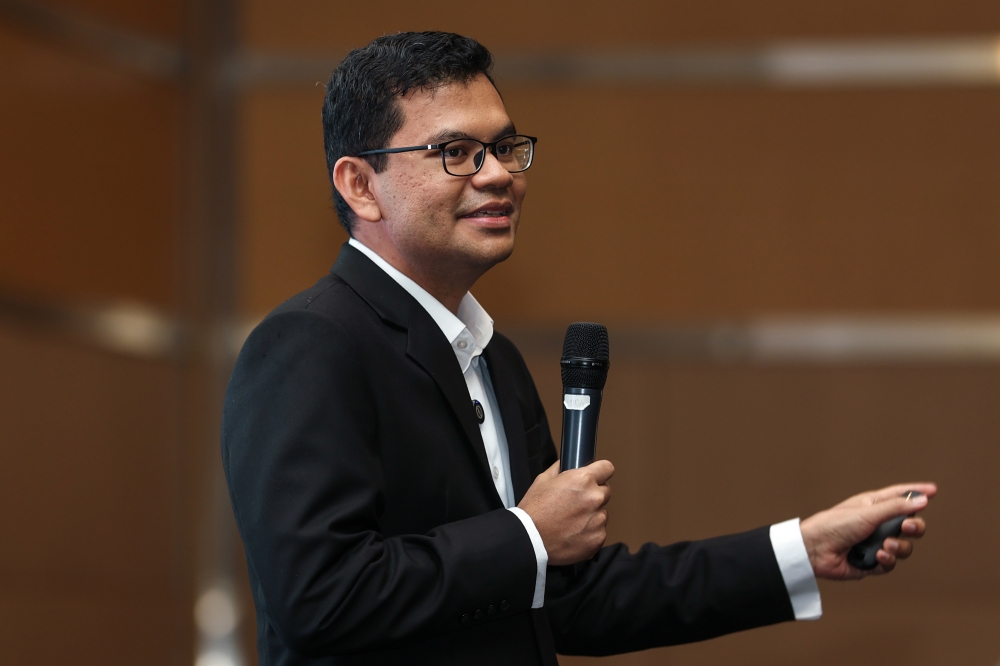
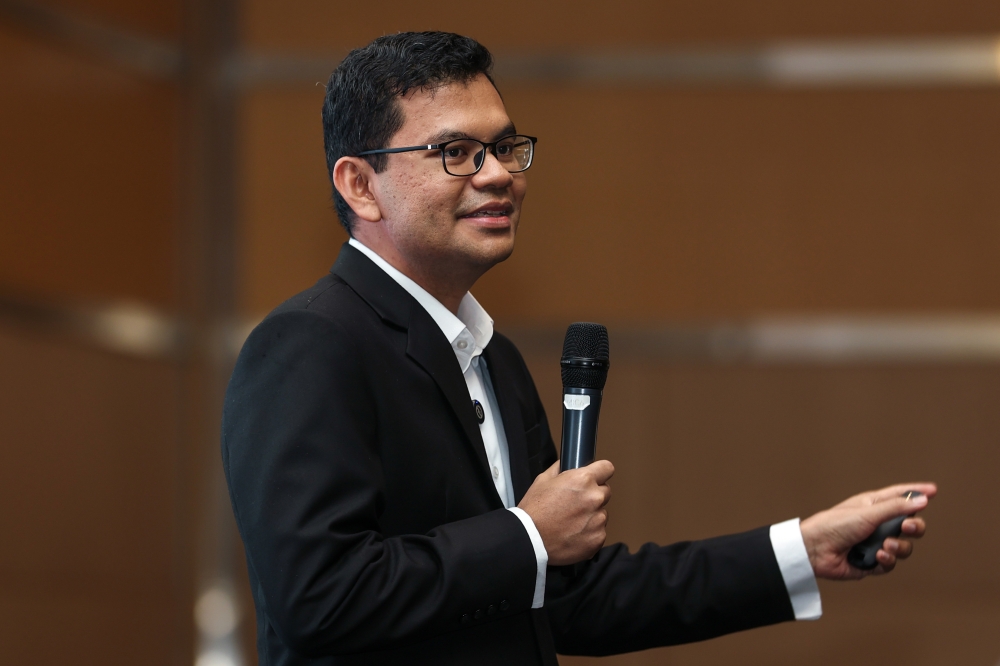
At Elastic{ON} Mumbai, CEO Ash Kulkarni argued that every business already owns what AI models lack. The rest of the day showed what it takes to put that context to work.

Elastic's AI Advantage: Context Over Models in India
At the Elastic{ON} Mumbai conference, the focus was on how context, rather than the AI models themselves, gives enterprises a competitive edge. Elastic CEO Ash Kulkarni emphasized that AI models lack understanding of a business's unique data and learnings. The real advantage lies in the context, which is often scattered across various systems.
Kulkarni introduced Elastic{ON}, a platform that securely connects all this context to any AI model, enabling actual intelligence. However, making context affordable is a challenge. Ajay Nair, GM of Elasticsearch and Platform, explained that models should not rebuild context for every query, as it burns resources. The bottom-up approach of deriving relationships and metadata once is more efficient.
In practice, Elastic's observability and security solutions leverage this context. Vinay Chandrasekhar demonstrated Elastic nightshift AI SRE, an AI agent that detects problems no alerts cover and shows its reasoning. Elastic's AlertZero, an agentic layer in Security, triages alerts and investigates incidents using learned behavior from the team.
The community also played a significant role, with leaders from Axis Bank and Standard Chartered discussing AI governance and Standard Chartered showcasing their observability standardization across 40 countries. The Forge the Future Hackathon, powered by Elastic and AWS, challenged teams to build explainable AI agents for search, observability, and security.
Kulkarni closed by reiterating Elastic's commitment to model agnosticism and running the platform wherever customers operate, highlighting that context, not any single model, is where the lasting advantage lies.
Written by urgent.news from YourStory's reporting — not their text. Machine-written — may contain errors; check the original before relying on it.