Economy shows resilience to shocks in FY26: SBP
KARACHI: While Pakistan’s economy has demonstrated resilience to domestic and global shocks in FY26, the State Bank of Pakistan (SBP) has emphasised the need for comprehensive structural reforms to achieve sustainable high economic growth. It has called for greater private sector investment, improved infrastructure, technology and skills development, tax rationalisation, simplified tax…
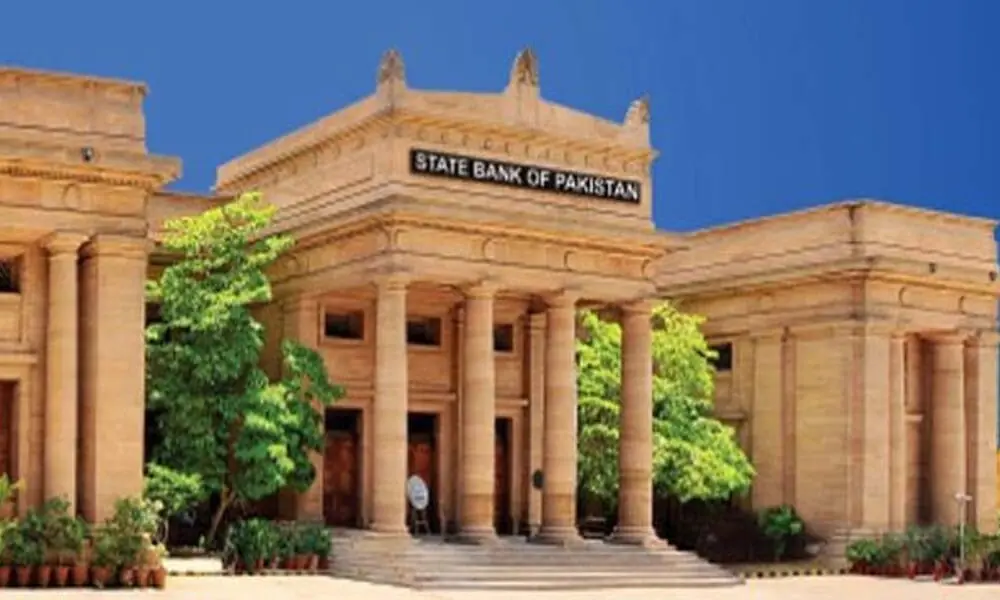
In FY26, Pakistan's economy displayed resilience to both domestic and international shocks, according to the State Bank of Pakistan (SBP). Despite the Middle East conflict disrupting some favorable economic trends, strong fiscal and external buffers maintained overall macroeconomic stability. The report highlights that real GDP growth rose to 3.7 percent, thanks to an increase in large-scale manufacturing output, which is closely tied to agriculture and services sectors. This growth led to a volume-led expansion in imports.
Addressing structural weaknesses is crucial for achieving sustainable high economic growth. The SBP suggests encouraging private sector investment by tackling infrastructure gaps, promoting technology and skills development, rationalizing taxes, simplifying tax administration, reducing economic policy uncertainty through rules-based frameworks, and ensuring long-term macroeconomic stability.
A prudent monetary policy, combined with ongoing fiscal consolidation and reforms under the IMF program, helped safeguard macroeconomic stability despite external challenges such as shifting US trade tariff policies, monsoon flooding, and the Middle East conflict.
The government's austerity measures and the passing of global oil price surges onto domestic fuel prices helped contain the adverse impact of external shocks on the fiscal and external accounts. Improvements in key economic indicators prompted upgrades in Pakistan's sovereign credit ratings, supporting favorable macroeconomic outcomes. However, global economic trends negatively affected exports; yet, strong growth in workers' remittances helped keep the current account deficit at 0.1 percent of GDP.
The government's continued fiscal consolidation efforts and a significant drop in interest payments contributed to improved fiscal outcomes in FY26. The report further emphasizes the need for deep-rooted structural reforms to ensure sustainable high growth, citing weak and volatile GDP growth, slow structural transformation, premature deindustrialization, labour market challenges, and the impact of emerging trends like Industry 4.0, the green transition, and geoeconomic fragmentation.
The report also suggests integrating new solar energy strategies into Pakistan's agricultural sector to balance renewable energy generation with food security and environmental sustainability.
Written by urgent.news from Business Recorder's reporting — not their text. Machine-written — may contain errors; check the original before relying on it.