Digital gold could unlock $700b in new demand: World Gold Council
Dubai: Trust, not demand alone, will decide gold’s next chapter, World Gold Council chief executive David Tait told the 14th Dubai Precious Metals Conference on November 17. Nearly 800 delegates and 34 speakers gathered to discuss traceable sourcing, digital gold and open markets. Tait acknowledged that gold has had an extraordinary year, touching about $5,500 an ounce in January to the recent…
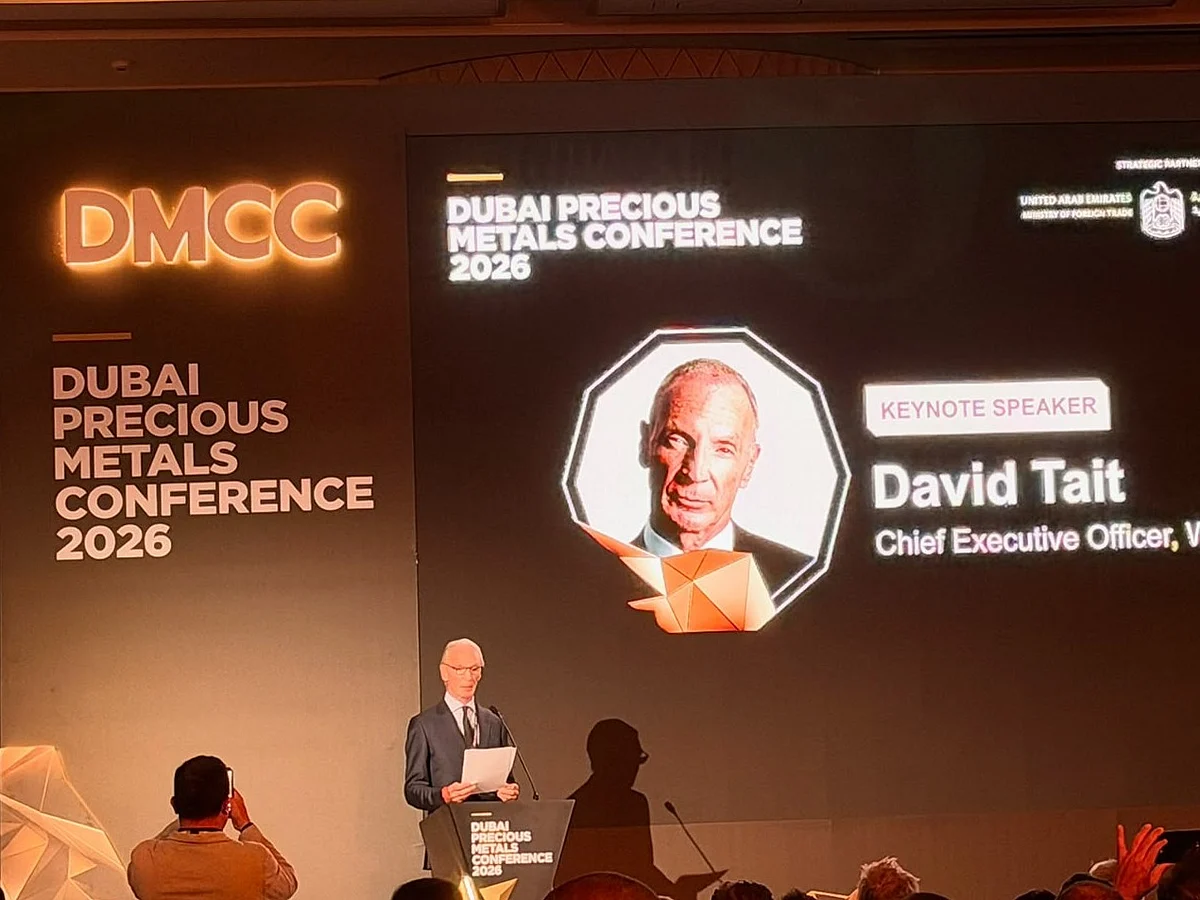
Trust, rather than mere demand, will drive gold’s future, according to World Gold Council chief executive David Tait's remarks at the Dubai Precious Metals Conference. Despite gold's volatile price swings, surging to around $5,500 an ounce in January, Tait believes the market's momentum will persist if there is credible sourcing and contemporary methods for owning the precious metal.
The greatest challenge facing the industry is artisanal and small-scale mining, which contributes 20-25% of global mine production but operates largely outside formal legal structures. Tait cautioned against criminalizing miners and urged governments to harmonize sourcing rules based on OECD due diligence guidelines. The council is working on three solutions: a Swiss technology partner is developing X-ray scanning to verify gold's declared origin, a processing initiative supports mercury-free plants, and central banks in the Philippines, Mongolia, Ecuador, and Colombia are implementing responsible purchasing programs.
Tait emphasized the importance of making responsible artisanal gold visible, verifiable, and valuable within the formal market. A digital gold pilot is set to launch in Dubai, enabling physically backed gold to serve as collateral. Currently worth an estimated $45 billion to $55 billion, digital gold accounts for less than 1% of the global market.
However, if barriers are removed, the council's research suggests it could unlock up to $700 billion in demand, with about 65% coming from first-time buyers. Tait sees this as an opportunity to attract new investors and capital into the gold market. UAE Undersecretary of the Ministry of Foreign Trade Fahad Al Gergawi focused on trade flows, noting that UAE non-oil foreign trade reached Dh2.95 trillion in the first nine months of the year, with gold being the most traded commodity and gold jewelry the leading non-oil export.
The UAE's comprehensive economic partnership agreements are strengthening supply links with mineral-rich nations like Canada, Russia, and states in Central and West Africa. Al Gergawi emphasized that open markets driven by confidence can deliver growth and resilience, with precious metals playing a central role in this equation for the UAE.
DMCC Executive Chairman and CEO Ahmed Bin Sulayem highlighted Dubai's foreign gold trade, which grew by 60% to about Dh1 trillion in 2025, and physical trading across the UAE reached around 2,750 tonnes, making it the world's second-largest hub. Bin Sulayem stressed the importance of upholding high standards of integrity and investing in infrastructure, services, and relationships to maintain market participants' confidence.
He also addressed criticisms by inviting skeptics to meet the UAE's regulators and assess the system firsthand, following Swissaid's controversial report on illicit gold imports.
Written by urgent.news from Gulf News's reporting — not their text. Machine-written — may contain errors; check the original before relying on it.