COP31: India seeks to strengthen climate engagement with small island nations
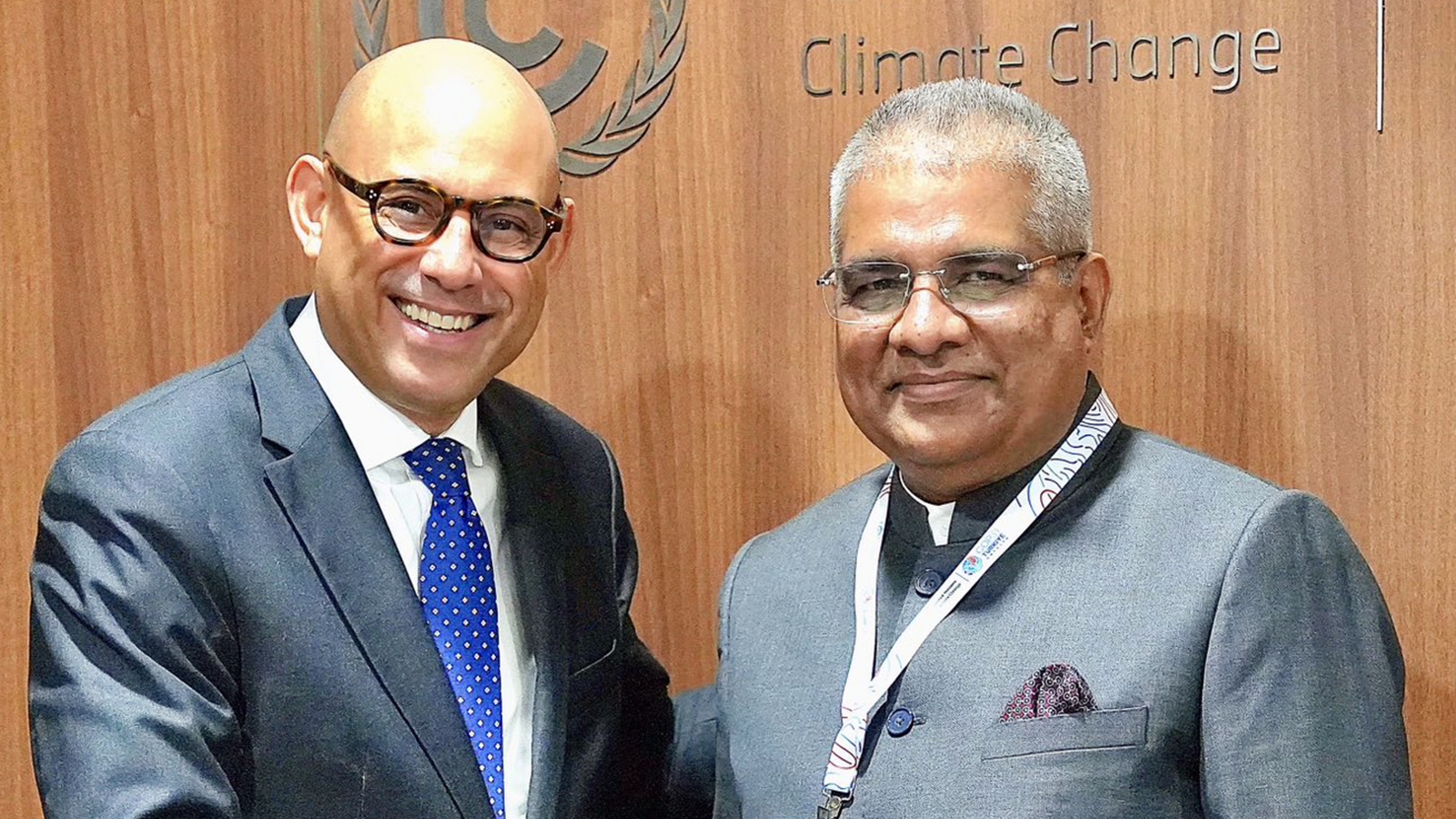
During the COP31 climate conference in Antalya, India's Environment Minister Bhupender Yadav pledged to boost collaboration with small island nations. He offered India's scientific and technological expertise in areas like renewable energy deployment and disaster management to bolster these countries' resilience against climate change. Yadav acknowledged that while India could learn from the island nations, particularly their traditional knowledge of the oceans and experiences in adapting to shifting ocean conditions.
He emphasized that healthy oceans and resilient coastlines are crucial for economic security, ecological stability, and people's well-being. These shared resources are now facing significant challenges from sea-level rise, coastal erosion, ocean warming, coral bleaching, stronger storms, and marine pollution. With over 11,000 km of coastline, India's experience in managing these areas could provide valuable lessons for the small island nations.
The Environment Minister highlighted that India's coastlines support millions of livelihoods and are vital to economic and ecological security. Through scientific assessments, ecosystem conservation, shoreline management, and disaster preparedness, India is strengthening coastal resilience, recognizing that local community involvement in planning, implementation, and benefit-sharing leads to more sustainable conservation efforts.
The round-table discussion on climate engagement with small island nations was organized by The Energy and Resources Institute. It followed India's earlier initiatives, including the Forum for India-Pacific Islands Cooperation, active since 2014, where climate change discussions are a key part of the agenda. In 2021, at COP21 in Glasgow, India launched the Infrastructure for Resilient Island States (IRIS) program under the Coalition for Disaster Resilient Infrastructure.
As part of IRIS, India has provided satellite data to 23 projects covering 25 small island countries, aimed at building capacities for early warning systems. Yadav called for expanding partnerships in renewable energy, disaster preparedness, resilient infrastructure, and locally-appropriate climate adaptation solutions. SIDS, as custodians of marine biodiversity and traditional knowledge, have much to offer the world in terms of living with and adapting to changing oceans.
India is eager to enhance cooperation in four major areas: coastal risk assessment and monitoring, early warning system setup, ecosystem protection measures like mangrove conservation, technological partnerships in energy and related fields, and institutional ties to facilitate the exchange of scientific information and capacity building.
Written by urgent.news from The Indian Express - India's reporting — not their text. Machine-written — may contain errors; check the original before relying on it.