Canada wants to get close to tariff-free trade in CUSMA talks: Charette
President Donald Trump said in July that the U.S. would not renew the CUSMA deal in its current form, forcing it to be reviewed annually.
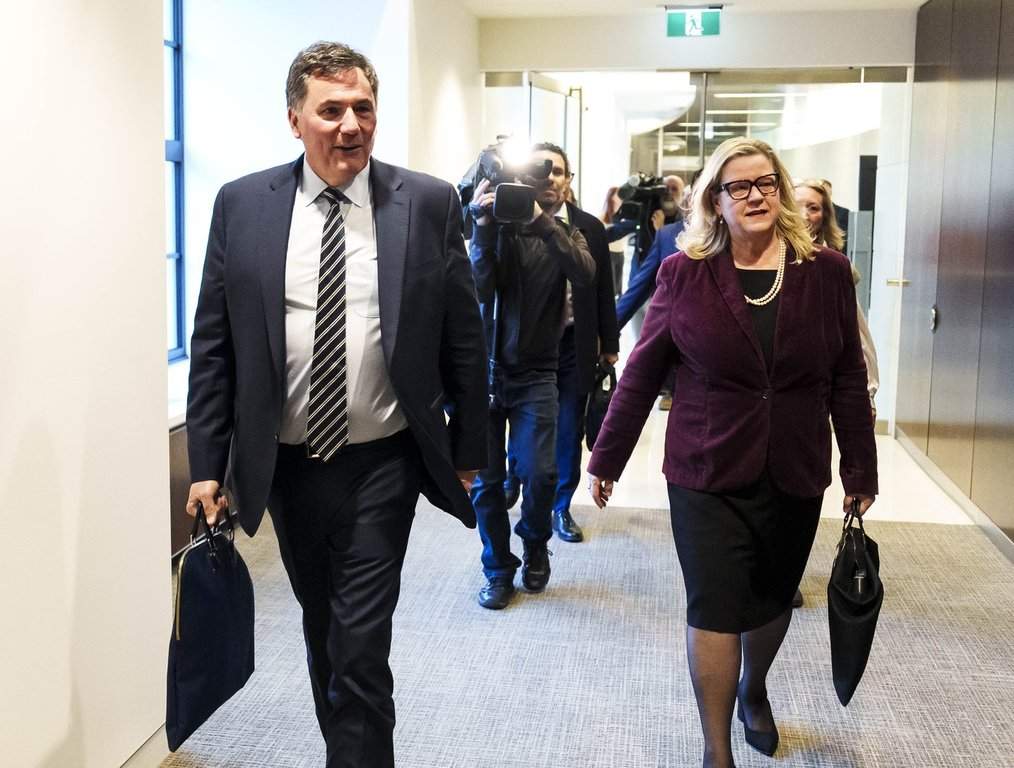
Canada’s top trade negotiator, Janice Charette, has outlined the current objective of the CUSMA review, stating the aim is to achieve "as close as we can to tariff-free trade." During a parliamentary committee hearing, Charette made these remarks in response to a query about whether the Canadian government's aim was to normalize trade relations with the U.S. without tariffs.
However, she acknowledged the practical limitations of such an arrangement with the United States, saying, "I think we have to prepare ourselves for a world that, like other countries, that's not an arrangement that we are able to arrive at with the United States."
The trade agreement has provided protection from numerous Trump-era tariffs for both Canada and Mexico, despite facing various sectoral duties, including those on steel and automobiles. Charette emphasized that tariff-free trade was the cornerstone of the CUSMA's success. The U.S. stance on tariffs has been a key point of discussion, with Charette noting a reluctance on the American side to enter into any agreement that includes full tariff-free trade.
She proposed a solution of obtaining the lowest tariff rates on the "narrowest basket of goods with the most preferential access" for Canadian workers and businesses.
Charette also pointed out that the U.S. has demonstrated a lack of willingness to engage in any arrangement offering complete tariff-free trade. She suggested negotiating for the lowest tariff rates on a limited range of goods, aiming to provide the most favorable access for Canadian workers and businesses. The CUSMA, formerly known as the Canada-U.S.-Mexico Agreement, was established in 2019 as a replacement for the North American Free Trade Agreement (NAFTA).
However, in July, the U.S. announced it would not renew the deal in its present form, leading to added volatility and economic uncertainty for businesses in the region.
Written by urgent.news from Global News's reporting — not their text. Machine-written — may contain errors; check the original before relying on it.