Asean must act from commitment to action for a haze-free region
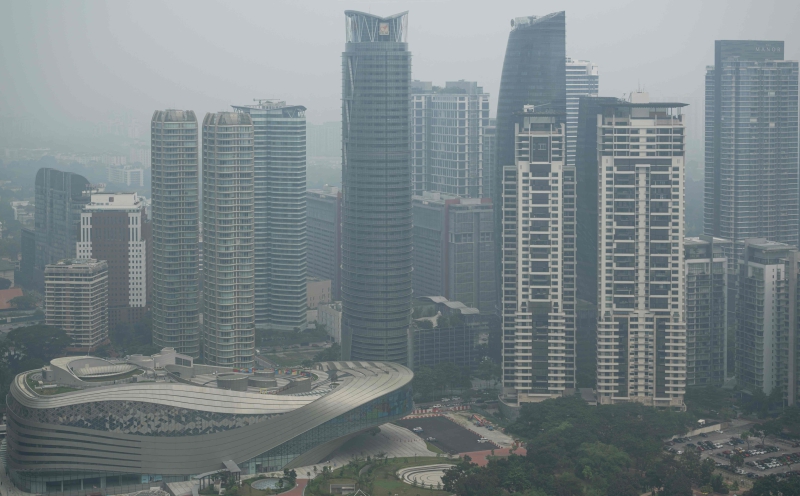
LETTER: The recurring transboundary haze problem deserves urgent attention at the 49th Asean Leaders’ Meeting in Manila.
The Gulf Cooperation Council (GCC) faces a strategic dilemma that cannot be resolved by simply acquiring more weapons or relying on the United States. The issue extends beyond Iran and affects the security architecture of the entire Gulf region. In November 2026, when US President Donald Trump reportedly described Saudi Arabia as "disintegrating," it highlighted the vulnerability of the Gulf states and their concerns about potential military retaliation and economic disruption.
Prime Minister Anwar Ibrahim emphasized the need for the GCC to broaden and deepen its partnerships, suggesting that Asean provides an important institutional platform for developing a more diversified relationship with China. The first Asean–GCC–China Summit, held in Kuala Lumpur in 2025, established a framework connecting three major economic regions through various means such as trade, investment, energy, technology, connectivity, and sustainable development.
China brings industrial capacity, advanced technologies, infrastructure investment, and energy demand, while Asean offers manufacturing networks, expanding consumer markets, maritime connectivity, and diplomatic relationships with competing major powers. The GCC can learn from Asean's experience in regional diplomacy while developing its own regional institutions to prevent any single participant from dominating the relationship.
The objective should be strategic diversification, not the replacement of one dependency for another.
Written by urgent.news from Malay Mail's reporting — not their text. Machine-written — may contain errors; check the original before relying on it.
This story
This is one outlet's version. Read the fullest account.