2027: Malaysia's AI balancing act [WATCH]
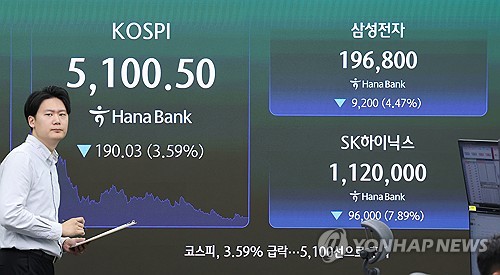
KUALA LUMPUR: Malaysia's growing exposure to the global artificial intelligence (AI) boom could become a double-edged sword as uncertainty over the sustainability of massive technology investments threatens to cast a shadow over economic growth in 2027.

KUALA LUMPUR: Malaysia's burgeoning involvement in the global artificial intelligence (AI) surge might bring both opportunities and risks that could impact its economic growth in 2027. The nation's semiconductor, electronics, and data centre industries may reap rewards from sustained AI funding, but a global retreat of tech behemoths could reverberate through supply chains, spur export demand, and dampen investment confidence.
Moody's Analytics has flagged the global economy's increasing dual pace, with AI-focused entities experiencing robust growth while others face geopolitical tensions, trade barriers, and policy ambiguity. According to their November 2026 Global Outlook report, global GDP expansion is projected to decelerate to 2.7% this year, reaching 2.8% in 2027, slightly below the world's growth potential exceeding 3%.
Several downside risks could converge in 2027, posing a challenge for Malaysia to navigate the AI investment wave without compromising its economic resilience. Dr. Mohamad Idham Md Razak, a senior lecturer at Universiti Teknologi Mara, recommends Malaysia shift beyond merely supplying components and invest more in research and development, advanced manufacturing, talent cultivation, and technology-driven services, thereby enabling more businesses and workers to reap AI's economic gains.
The global economy remains susceptible to a sharper slowdown in 2027 due to geopolitical tensions, trade disruptions, and policy uncertainty, which could dampen business confidence, stall investment decisions, and increase production and transportation costs. These risks could compound one another, such as geopolitical conflicts causing energy disruptions, trade restrictions affecting manufacturing costs and international demand, and heightened uncertainty surrounding AI investment's sustainability.
Economies with sturdy domestic demand, diversified export markets, and robust financial systems are more adept at handling external shocks, while highly trade-dependent economies are more exposed. The AI investment boom has proven a major bright spot amidst an uncertain global economy, particularly in the Asia-Pacific region, where semiconductor and electronics manufacturers have thrived due to soaring demand.
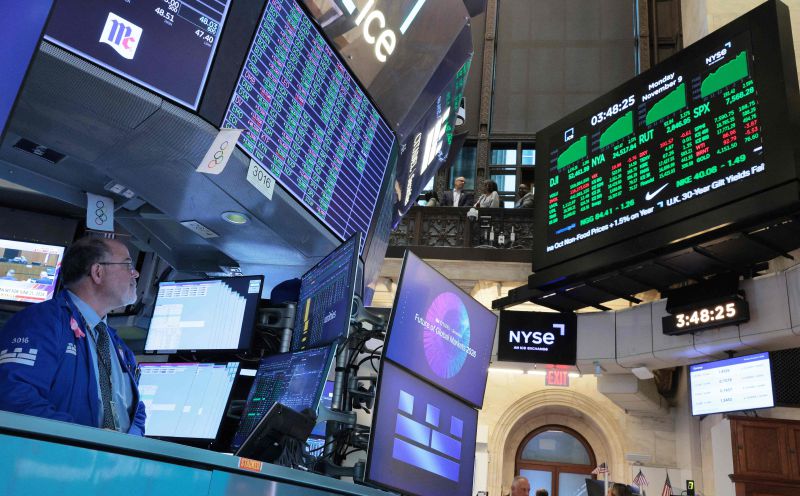
However, this reliance on AI-related spending could leave the region vulnerable if the investment frenzy wanes. Regulatory uncertainty in the United States, the outcome of the US midterm elections, and increased scrutiny of AI and data centre developments could weigh on investment, even without major legislative shifts. Investors have expressed concerns about AI ventures' financing structures, the commercial viability of their business models, and elevated equity valuations.
AI-related activities contributed approximately 0.5 percentage points to US GDP growth of 2.3% in 2025, stemming from stock market wealth effects and investment. For the Asia-Pacific region, the stakes are particularly high as its manufacturing and export industries are closely intertwined with the global AI supply chain. A slowdown in spending by major technology companies could have far-reaching implications for Malaysia's electrical and electronics industry and its aspirations to secure a larger share of the global semiconductor and data centre value chains.
Written by urgent.news from New Straits Times's reporting — not their text. Machine-written — may contain errors; check the original before relying on it.