When Parasites Have Parasites
Powdery mildew is kept in check by other fungi The post When Parasites Have Parasites appeared first on Nautilus .
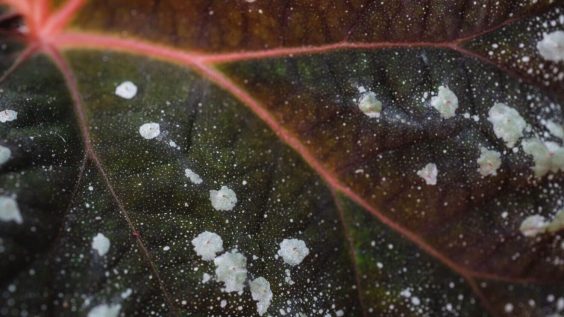
Hyperparasitism, the term for when a parasite infects another parasite, is a real scientific phenomenon, despite its sci-fi connotations. While hyperparasitism is widespread, it remains poorly studied. A recent study published in Proceedings of the Royal Society B delved into the relationship between fungi that cause powdery mildew in plants and another fungus (Ampelomyces spp.) that attaches to it.
Powdery mildew fungi, belonging to the family Erysiphaceae, are notorious agricultural pests, infecting crops like wheat, grapes, and soybeans. They target over 10,000 species of flowering plants. When these mildews are combined with Ampelomyces in a "parasite-on-parasite" system, crops face a better defense. Understanding the diversity of hyperparasites could help identify which strains are more effective at controlling the fungus, according to Michael Bradshaw, an entomologist and plant pathologist at North Carolina State University.
The researchers screened 609 dried powdery mildew samples from herbarium specimens collected from 28 countries over the past 150 years, discovering Ampelomyces parasites on 40 of these specimens. They also identified 671 additional Ampelomyces gene sequences in the GenBank database. The hyperparasite was found to be more common than previously believed, present in about seven percent of the powdery mildews examined.
Moreover, the hyperparasite displayed greater diversity than expected, with five distinct genera and 47 strains, some of which might be new species. Bradshaw highlighted the evolutionary and ecological complexity of the Ampelomyces-powdery mildew system.
Written by urgent.news from Nautilus's reporting — not their text. Machine-written — may contain errors; check the original before relying on it.