‘We’re having to overcome brand America’: Kraft Heinz CEO says made-in-U.S.A. designation is more ‘complicated’ in appealing to Canadian customers
As U.S.-based companies navigate the continued impact of tariffs, brands like Kraft Heinz are figuring out how to woo some non-American consumers.
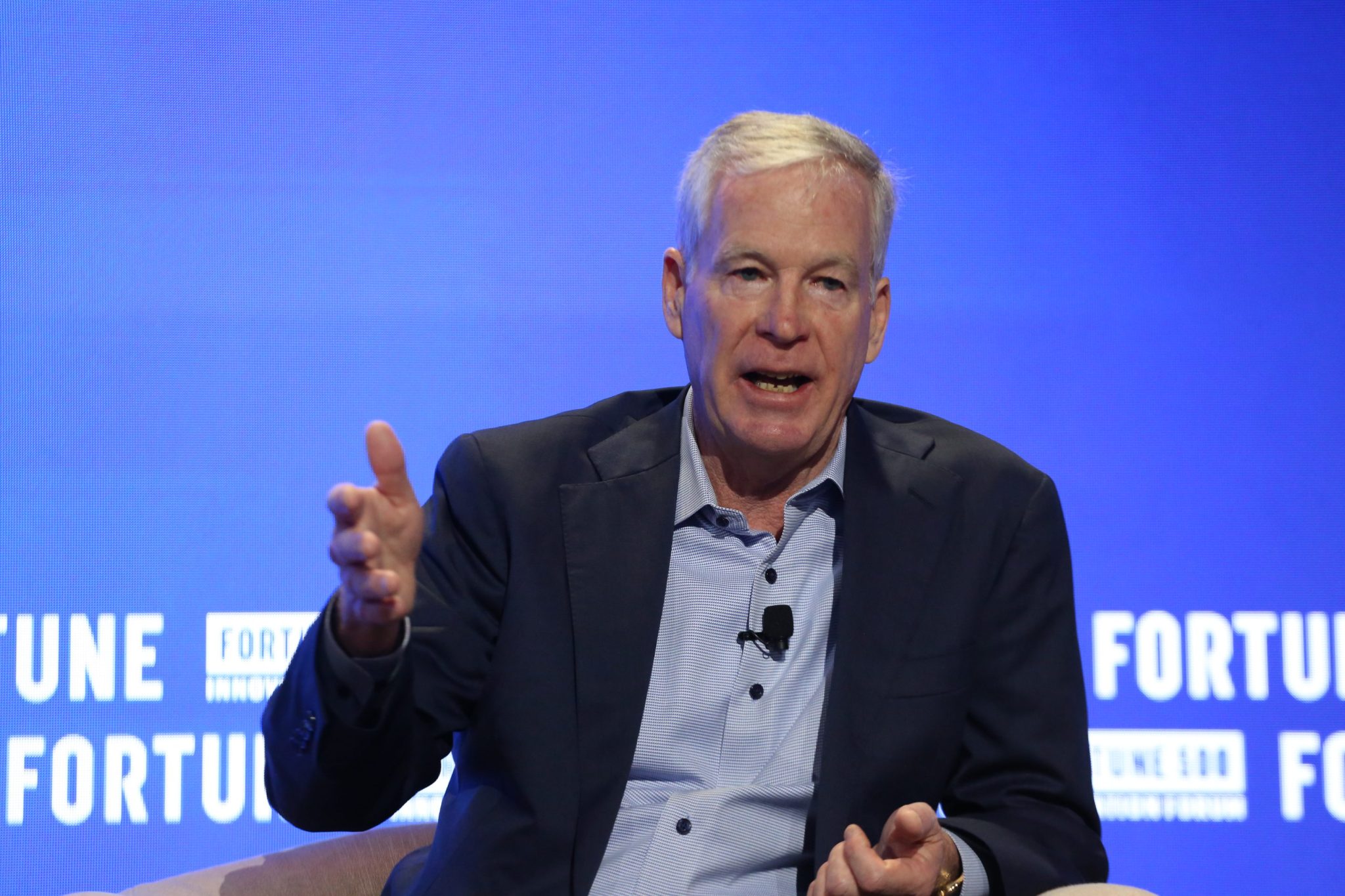
As tensions between the U.S. and Canada escalate, Kraft Heinz CEO Steve Cahillane is facing the challenge of repositioning his brand to appeal to Canadian customers. Speaking at the Fortune 500 Innovation Forum in Detroit, Cahillane noted that the made-in-the-U.S.A. label no longer holds the same positive association it once did.
"Brand America is not as strong as it once was, and that's been the case for some time," he stated. The company, known for brands like Jell-O, Lunchables, and Heinz ketchup, is now having to adapt its messaging to better connect with Canadians. Ongoing trade disputes, including a 50% tariff on $20 billion worth of Canadian goods, have contributed to a more skeptical view of American products.
Furthermore, threats from U.S. President Donald Trump to make Canada the "51st state" have also played a role in shifting Canadian attitudes towards American-made goods. While Canadian consumers continue to spend money on U.S. investments, there has been a concerted effort to boycott American products in favor of Canadian alternatives.
This shift has had an impact on the U.S. economy, with a recent Canadian government report revealing that tourist visits from Canadians to the U.S. have decreased by 29% from September 2024 compared to the same period two years prior. This decline has cost the U.S. economy $4.5 billion last year. To counteract these changing attitudes, Kraft Heinz is taking steps to reassure Canadian consumers that their products are indeed made in Canada.
In March, the company's Canadian subsidiary announced a $250 million investment to strengthen operations at its Montreal production facility. Cahillane emphasized the importance of reminding Canadians that their favorite Heinz ketchup is produced locally, saying, "We have a couple of big plants up there, and so when we talk to people about the local nature of our products, it may be brand America, but it's produced in your backyard by your friends and neighbors, grown locally."
Despite facing a 10-year sales slump in the U.S., Kraft Heinz is beginning to see improvement outside of its home market. In fact, its revenue from Canada grew significantly in the last quarter, even as sales in the U.S. fell. The company recently introduced Kraft Mac & Cheese Cheesy Ramen in Canada, which sold out in just a week.
Looking ahead, Kraft Heinz is also exploring ways to navigate the tariffs imposed by the trade war. The company plans to shift suppliers and potentially reformulate products as a result. Cahillane stressed the need for hyperlocal production, saying, "We have to build in redundancy. We have to build in the ability to do things faster than we ever have before, and that becomes hyperlocal for us."
Written by urgent.news from Fortune's reporting — not their text. Machine-written — may contain errors; check the original before relying on it.