WELLNESS: Nightmares explained, and why we have them at all
Bad dreams are much more common than we might imagine, and for some people they are frequent and disturbing. Today we look at why we have them, what makes them worse, and what can be done for nightmares.
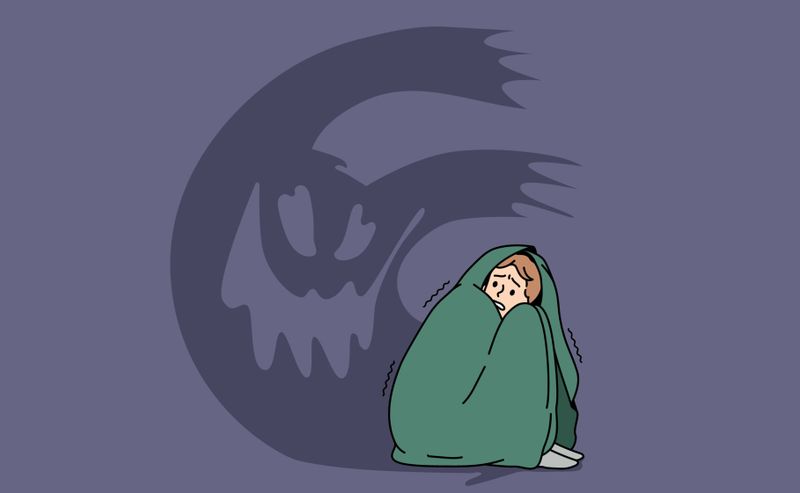
Nightmares are a common phenomenon, with at least 70% of adults experiencing them. Of those who have nightmares, 2% to 5% have them frequently, more than once per week. There are three types of bad dreams: anxiety dreams, nightmares, and sleep terrors. Anxiety dreams are remembered upon waking but don't cause the person to wake up, while nightmares cause waking due to their distressing content.
Sleep terrors, which occur in the first half of the night, involve intense fear, vocalizations, and movement, often leaving the individual partially awake and inconsolable. Sleep terrors are more common in children.
The purpose of dreams is still an area of research with no clear consensus. Dreams may be involved in learning, unlearning, and cognitive maintenance during sleep. They may also be a spill-over effect from daily experiences, with a negative bias towards unpleasant content. One theory suggests that nightmares may serve as a way to understand and rehearse for potential negative experiences, helping individuals prepare for threats.
Certain factors can make nightmares more likely or severe. People with anxious or neurotic personalities are more predisposed to nightmares. Traumatic experiences and periods of acute stress can trigger or worsen nightmares. Mental health disorders such as depression and anxiety also increase the likelihood of nightmares. Some medications can also increase the frequency of nightmares.
The most effective treatment for nightmares is image rehearsal therapy (IRT). This therapy involves rehearsing a modified version of the nightmare, which helps the brain establish a new, more positive pattern. IRT has been shown to be consistently effective in reducing the frequency and intensity of nightmares. Despite the prevalence of nightmares, many people may not seek help because they believe there is no solution.
This is partly due to the fact that healthcare providers often don't ask about nightmares, making patients feel unable to seek assistance. If someone has been experiencing the same nightmare for months or years, it is not a permanent condition. With deliberate effort, it is possible to break the cycle and find relief.
Written by urgent.news from Daily Maverick's reporting — not their text. Machine-written — may contain errors; check the original before relying on it.