US to curb China’s access to AI chips as Trump heads to Asia
The new export restrictions will hurt Chinese companies that rely on data centres in Malaysia and Thailand to access advanced AI chips.
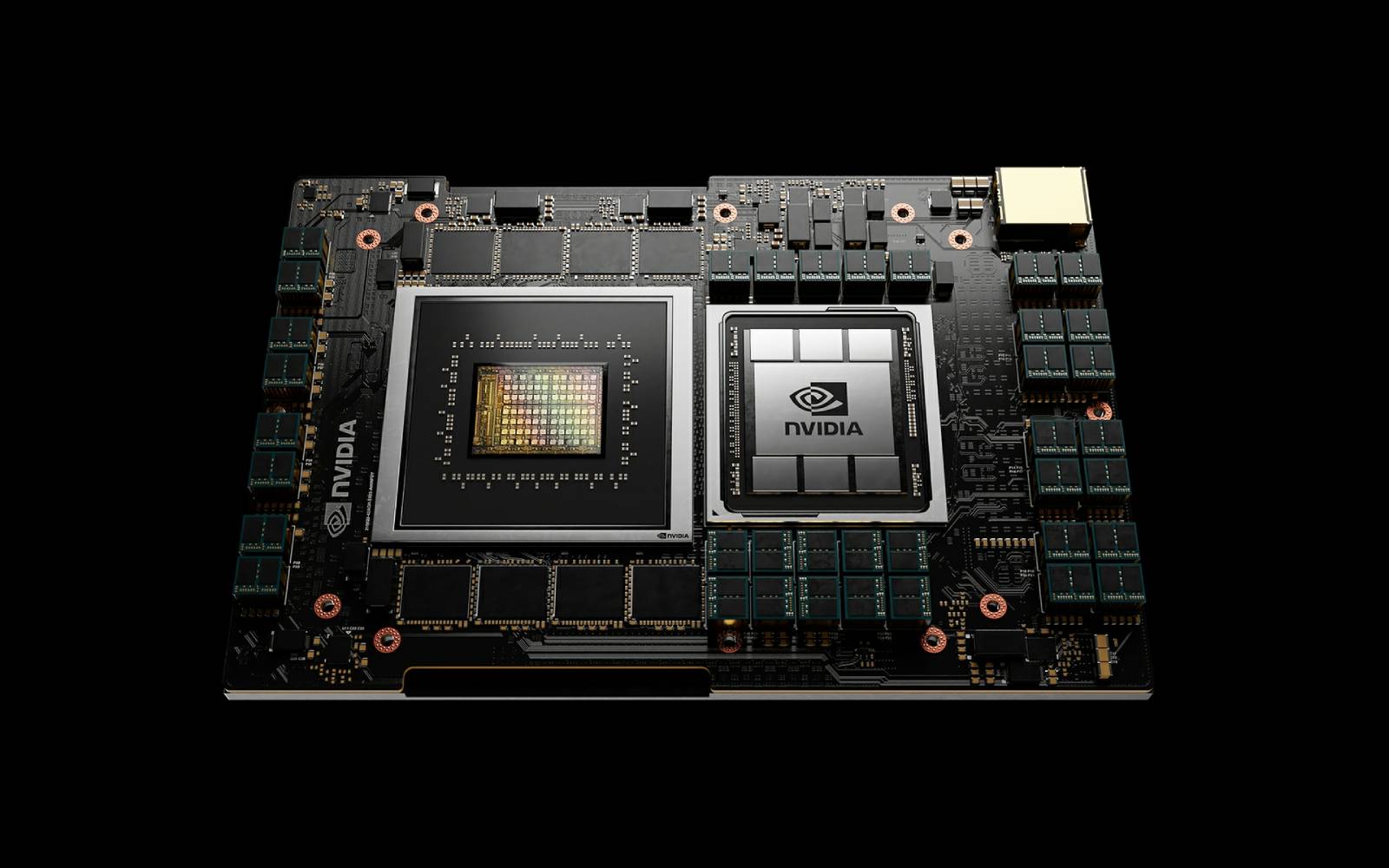
President Donald Trump's administration has introduced fresh rules to further limit China's access to top AI chips from companies such as Nvidia. This move comes as the president embarks on a trip to China to meet with President Xi Jinping. The new restrictions on chip exports to overseas data centers in nations like Malaysia and Thailand are expected to impact Chinese firms that utilize these centers to train their AI models using advanced AI chips.
The Commerce Department's decision to implement these measures aims to demonstrate its commitment to curbing Chinese access to crucial American technology. This comes in the wake of reports suggesting that the agency had overlooked the illicit smuggling of advanced Nvidia AI chips to China. Additionally, the rule arrives ahead of Trump's scheduled meeting with Xi in Shenzhen, China, the location of this week's Apec summit. Trump is known for imposing punitive tech measures against Beijing prior to such meetings.
The fresh rule mandates companies in Singapore, Thailand, Malaysia, Indonesia, and Brazil to secure US export licenses for the most sophisticated chips to prevent their illegal diversion. This timing of the rule aligns with growing pressure on Commerce Secretary Howard Lutnick to strengthen US export controls on advanced chips destined for China.
The Commerce Department stated that the rule is designed to prevent existing restrictions on access to sensitive American technology from being evaded via remote computing arrangements involving data centers in third countries.
Written by urgent.news from Free Malaysia Today's reporting — not their text. Machine-written — may contain errors; check the original before relying on it.