US to curb China’s access to AI chips as Trump heads to Asia
The new export restrictions will hurt Chinese companies that rely on data centres in Malaysia and Thailand to access advanced AI chips.
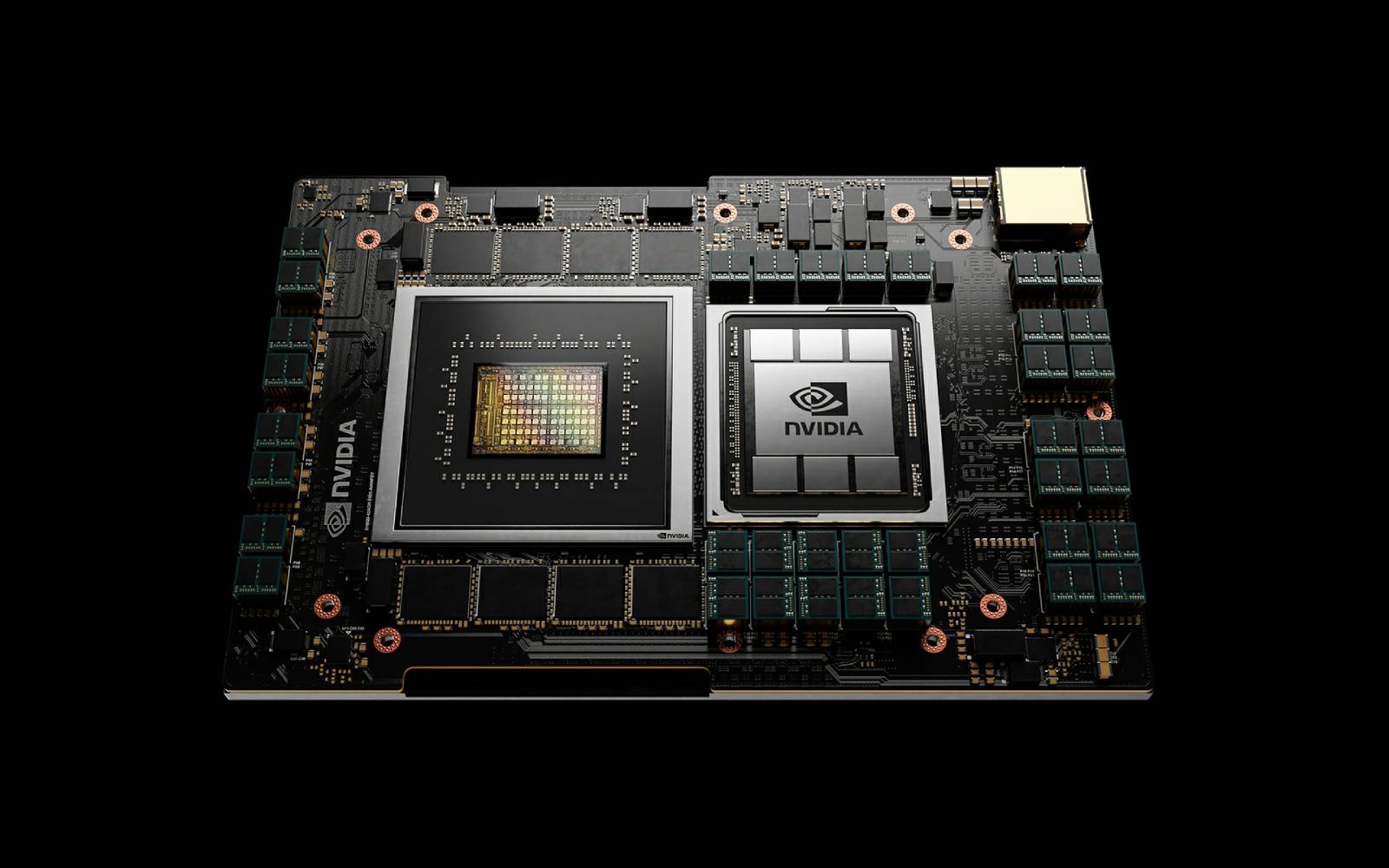
The Trump administration has introduced new rules on Monday that will further limit China's access to top AI chips produced by companies like Nvidia. This comes as President Donald Trump embarks on a trip to Asia to meet with President Xi Jinping. The restrictions, which apply to chip exports to overseas data centers in countries such as Malaysia and Thailand, are aimed at hindering Chinese firms utilizing these data centers for AI model training.
The Commerce Department's move underscores its efforts to enhance controls over sensitive American technology, following allegations of lax oversight in the past. The rule mandates companies in Singapore, Thailand, Malaysia, Indonesia, and Brazil to obtain US export licenses for the most advanced chips, with the aim of preventing their illicit diversion.
This timing coincides with heightened scrutiny on Commerce Secretary Howard Lutnick to strengthen export controls on advanced chips destined for China. The Commerce Department asserts that the rule is intended to prevent existing restrictions on sensitive American technology from being bypassed through remote computing arrangements involving data centers in third countries.
Written by urgent.news from Free Malaysia Today's reporting — not their text. Machine-written — may contain errors; check the original before relying on it.
This story
This is one outlet's version. Read the fullest account.
- Nvidia scandal: China's chips dilemma, US rivalry shape AI race dw.com
- US to curb China's access to AI chips as Trump heads to Asia koreatimes.co.kr
- U.S. further restricts China's access to AI chips in wake of Nvidia scandal cbc.ca
- No chips for you: US issues rule to stymie China's access to AI GPUs via data centers seekingalpha.com