U.S. to curb China's access to AI chips as Trump heads to Asia
Trump often unleashes punitive tech threats or action against Beijing ahead of meetings with Xi.
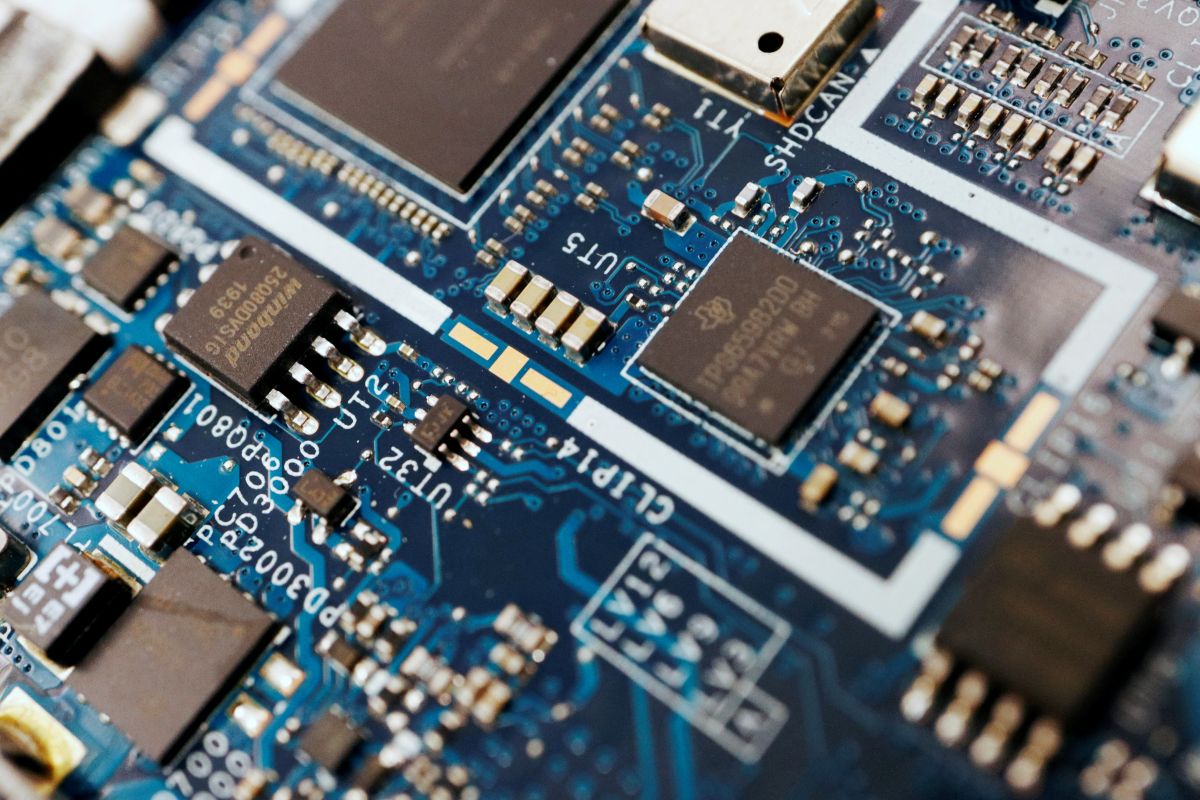
On November 16, the United States announced a new rule aimed at restricting China's access to the best AI chips from major companies such as Nvidia. This came just as President Donald Trump embarked on a trip to China to meet with President Xi Jinping. The new restrictions target chip exports to overseas data centers in countries including Malaysia and Thailand, impacting Chinese companies that rely on these data centers for their AI model training.
This move highlights the Commerce Department's efforts to curb Chinese access to sensitive American technology, following concerns over the agency's failure to prevent the smuggling of advanced Nvidia AI chips to China. The rule also precedes Trump's scheduled meeting with Xi in Shenzhen, China, during the APEC summit, a location known for hosting such high-profile technology-focused events.
To prevent the illegal diversion of the most advanced chips, companies in Singapore, Thailand, Malaysia, Indonesia, and Brazil are now required to obtain U.S. export licenses. The timing of this rule aligns with growing pressure on Commerce Secretary Howard Lutnick to strengthen U.S. export controls on advanced chips heading to China.
The Commerce Department emphasized that this rule aims to prevent the circumvention of existing restrictions on sensitive American technology through remote computing arrangements involving data centers in third countries.
Written by urgent.news from Supply Chain Brain's reporting — not their text. Machine-written — may contain errors; check the original before relying on it.