U.S. to Clamp Down On AI Chip Loophole Ahead Of Trump Meeting With Xi
The new rule gives Commerce Secretary Howard Lutnick more discretion over the sale of AI chips to certain countries.
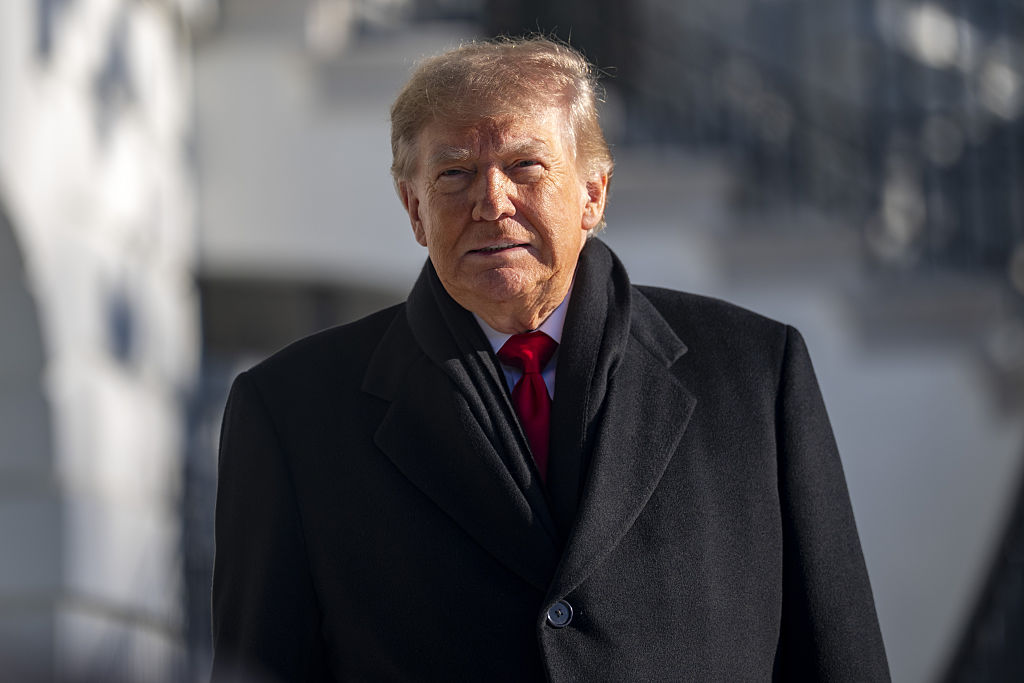
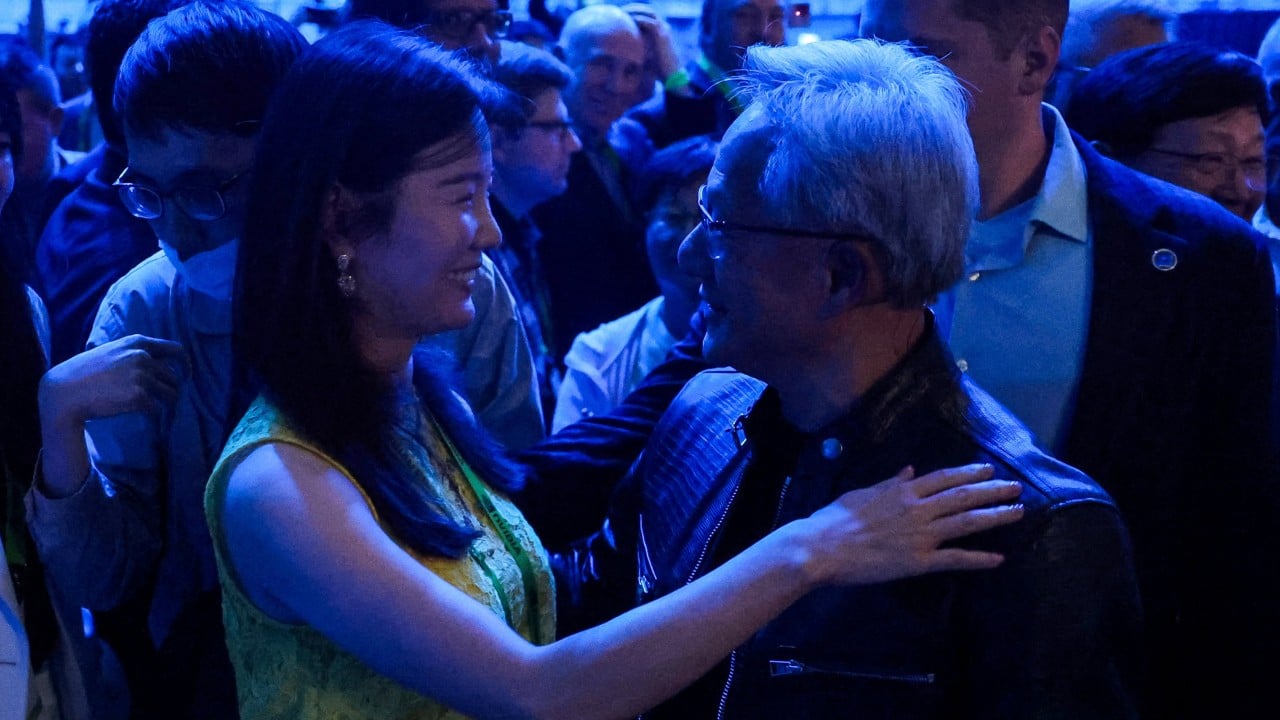
The Trump administration has introduced a new rule to tighten the existing loophole that permits Chinese tech firms to bypass U.S. limitations on accessing the most advanced AI chips through third countries. This move precedes President Trump's upcoming meeting with Chinese President Xi Jinping and follows the Nvidia scandal, which led to the resignation of CEO Jensen Huang and increased scrutiny over the company's ties to China.
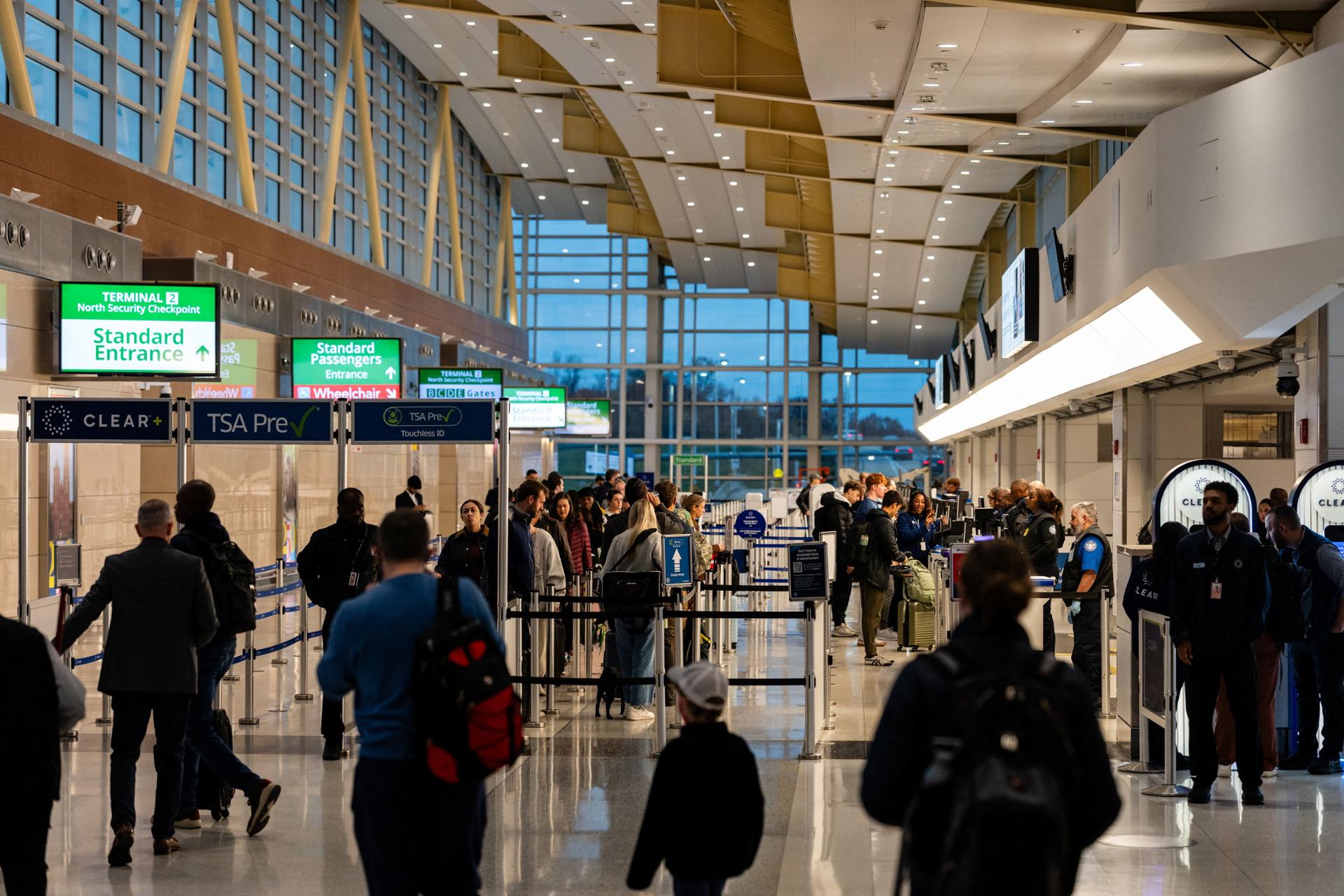
The Commerce Department's new regulation mandates that buyers of advanced semiconductors from specific countries must obtain a license to sell or transfer these chips. The affected nations, including Indonesia, Malaysia, Singapore, Thailand, and Brazil, are deemed to possess a "higher than normal" risk of circumventing existing sanctions. The rule will commence in 90 days.
China is prohibited from purchasing certain advanced chips directly from U.S.-based companies like Nvidia. However, Chinese entities have circumvented the sanctions by acquiring the chips via shell companies in third countries or by renting computational resources in data centers located in nations where the U.S. hasn't imposed export restrictions.
Commerce Secretary Howard Lutnick is granted extensive authority in determining which chips may necessitate additional safeguards. Lutnick can inform a firm selling AI chips via oral communication about stricter export regulations if the department deems there is an "unacceptable risk."
The rule emerged days after Treasury Secretary Scott Bessent criticized Lutnick for not adequately supervising chip exports to China in a CNBC interview on Sunday. Huang's resignation followed revelations of his extramarital affairs, with U.S. intelligence officials suspecting Singapore-based Megaspeed, implicated in diverting Nvidia chips to China in violation of export controls, of espionage.
The Commerce Department's investigation into Megaspeed was discontinued last year following intervention from a senior Nvidia official.
Bessent expressed frustration on CNBC, stating that President Trump has emphasized China should not receive Nvidia chips above the H100s, as such leaks are detrimental to U.S. AI companies and provide China with an advantage. Both Lutnick and Bessent are anticipated to accompany Trump during his China visit, which includes meetings with Xi and Russian President Vladimir Putin during the APEC summit.
The summit will also address nuclear disarmament reduction. The federal government has implemented AI restrictions on China since Trump's first term, and the Biden administration has intensified these policies, rendering the export of advanced chips to China illegal in 2022. Beijing has amassed thousands of chips to build its AI systems through an international smuggling network.
Trump's reversal of export restrictions for Nvidia is expected to face increased scrutiny next year when Democrats gain control of Congress, potentially leading to investigations into the Trump administration's AI policies.
Written by urgent.news from Time's reporting — not their text. Machine-written — may contain errors; check the original before relying on it.