Tracing Gongneung-dong's changing landscape
The northeastern region of Seoul, particularly Nowon District, is often unanimously ranked on the bottom of foreign and domestic tourists' destination lists. Despite being one of the most densely populated districts north of the Han River, Nowon is sometimes jokingly referred to as “No One” or “No Jam.” Yet, it is an area with a lot of overlooked destinations and neighborhood charm. On any given…
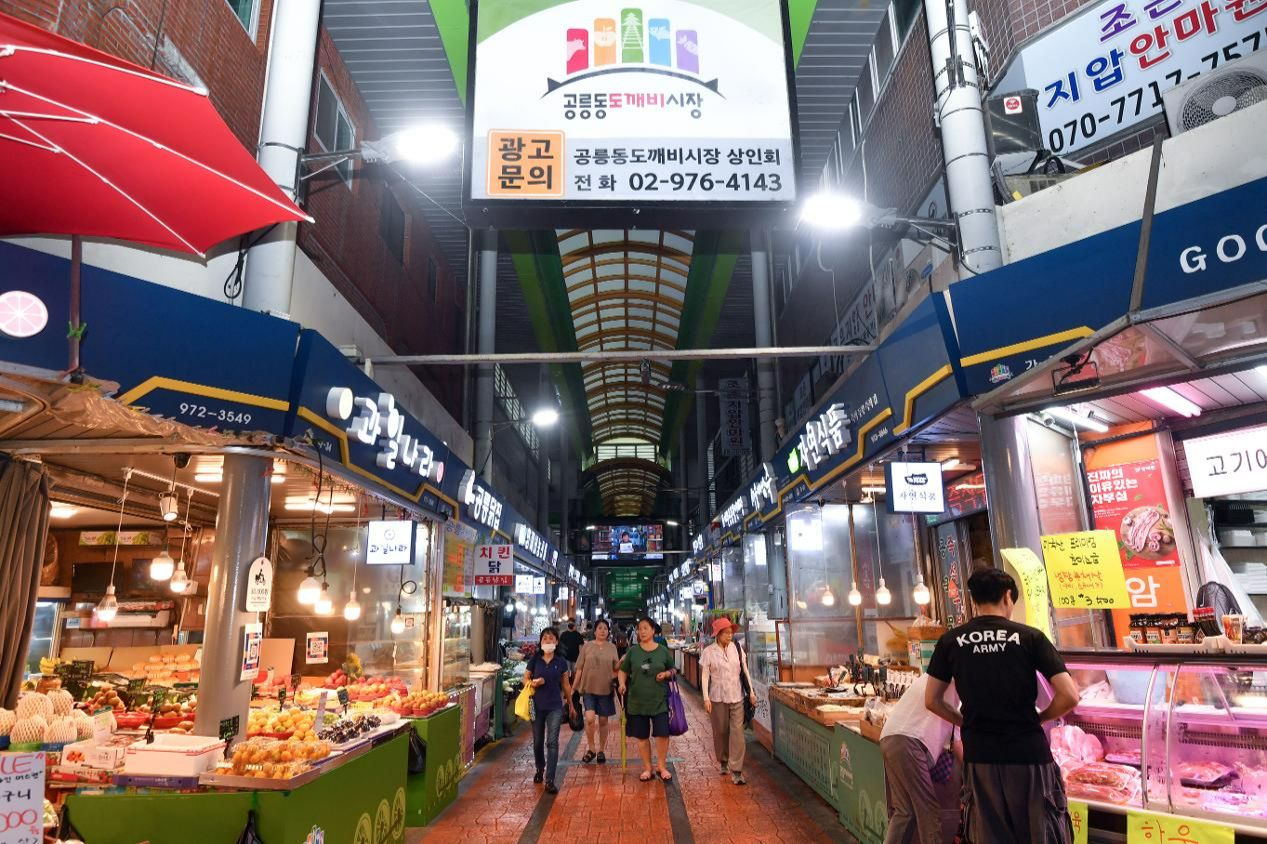
The northeastern region of Seoul, particularly Nowon District, frequently receives low rankings from both foreign and domestic tourists. Despite being one of the most densely populated areas north of the Han River, it is sometimes pejoratively nicknamed "No One" or "No Jam." However, this district harbors several unexplored spots and neighborhood charm.
Upon departing from Hwarangdae Station on Line 6, situated at the southern end of Gongneung-dong, travelers are bombarded by a flurry of automobiles, buses, and trucks navigating Hwarang-ro, an eight-lane road burdened with congestion. Rising above them, an elevated expressway accommodates another four lanes of traffic, creating a symphony of noise as vehicles merge in and out of the capital.
Before 2010, these visitors might have also encountered the distinctive sound of a Mugunghwa train hurtling along its sharply curved tracks parallel to the bustling streets, adding to the cacophony.
To many Seoul residents and visitors alike, Gongneung-dong is often grouped with Nowon District's post-1980s persona. It is frequently perceived as a sprawling commuter suburb, characterized by uniform apartment complexes, a place to merely pass time.
Written by urgent.news from The Korea Times's reporting — not their text. Machine-written — may contain errors; check the original before relying on it.
This story
This is one outlet's version. Read the fullest account.
- Tracing Gongneung-dong's changing landscape koreatimes.co.kr