Some OLED MacBook Pro Owners Report Eye Strain and Dizziness
Some owners of Apple's new MacBook Pro with PROLED XDR display say they experience eye strain, headaches, and dizziness when using the laptop, with affected users pointing to the screen's brightness-control system as a possible explanation. A significant number of complaints have appeared on Reddit, X, and the MacRumors forums since the new models launched earlier this month. The discussions on…
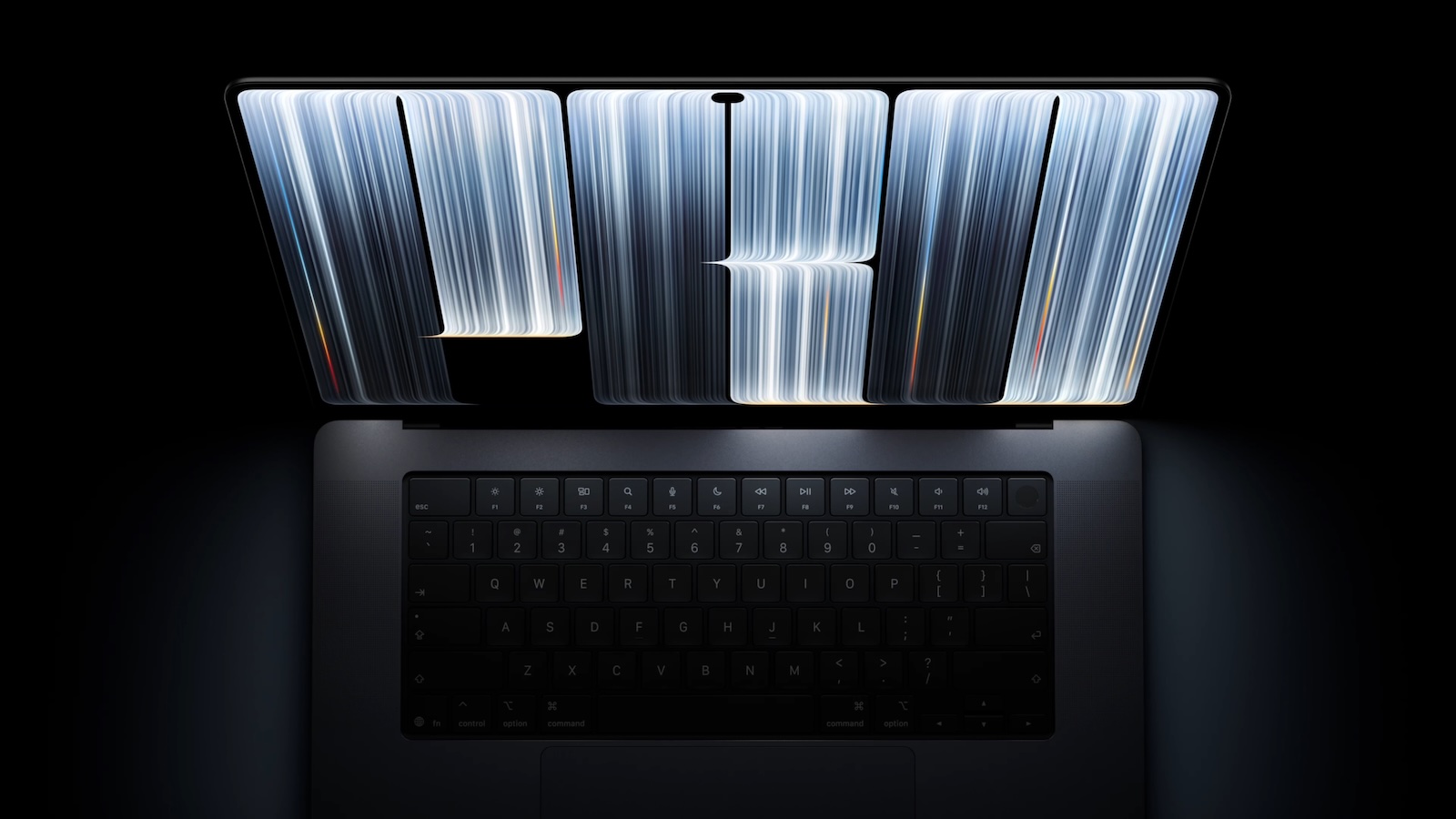
Apple's new MacBook Pro with an OLED XDR display has been met with mixed reviews, as some owners report experiencing eye strain, headaches, and dizziness while using the laptop. The issue appears to be linked to the screen's brightness-control system, specifically pulse width modulation (PWM) dimming.
Various online forums, including Reddit, X, and MacRumors, have seen a surge of complaints since the new models launched earlier this month. Users on MacRumors have shared personal experiences, such as a severe headache after using the OLED MacBook Pro for just 30 minutes in an Apple Store. One user even compared the OLED screen to their iPad Pro, noting that the iPad did not cause the same discomfort.
Another user reported experiencing dizziness and nausea while reading text on an OLED screen, particularly against a black background. They noted that their iPad Pro did not produce the same symptoms. In response to the issue, a 16-inch OLED MacBook Pro owner mentioned that switching back to a mini-LED MacBook Pro alleviated their headache and mild nausea.
The suspected cause of the discomfort is the PWM dimming system. OLED screens produce light through individual pixels, and PWM dimming adjusts the time spent at brighter and darker levels during rapid cycles. Spending less time at the brighter level reduces the average light reaching the viewer, making the screen appear dimmer. These fluctuations can occur too quickly to notice as a flashing screen, but some users report experiencing discomfort with displays that use PWM.
The measured PWM frequency for the 14-inch OLED MacBook Pro ranges from 240Hz when the brightness is set to 99% or lower, with a significant amplitude of 56%. This rapid fluctuation in light output could potentially cause eye strain or headaches for sensitive users. In contrast, Mini-LED MacBook Pro displays use brightness modulation with a much higher frequency of 14,880Hz, which appears less likely to cause discomfort for PWM-sensitive individuals.
Apple currently offers a Display Pulse Smoothing accessibility option for supported iPhones, allowing users to dim their OLED screens at low brightness levels. However, there is no equivalent control available on macOS. Apple has hinted that they may add such a feature in the future to address the concerns raised by OLED MacBook Pro owners.
Written by urgent.news from MacRumors's reporting — not their text. Machine-written — may contain errors; check the original before relying on it.