Safeguard political stability to fix graduate underemployment
Sustaining Malaysia’s post-2022 economic momentum means wooing high-value FDI while overhauling rigid university rules to match industry demand.
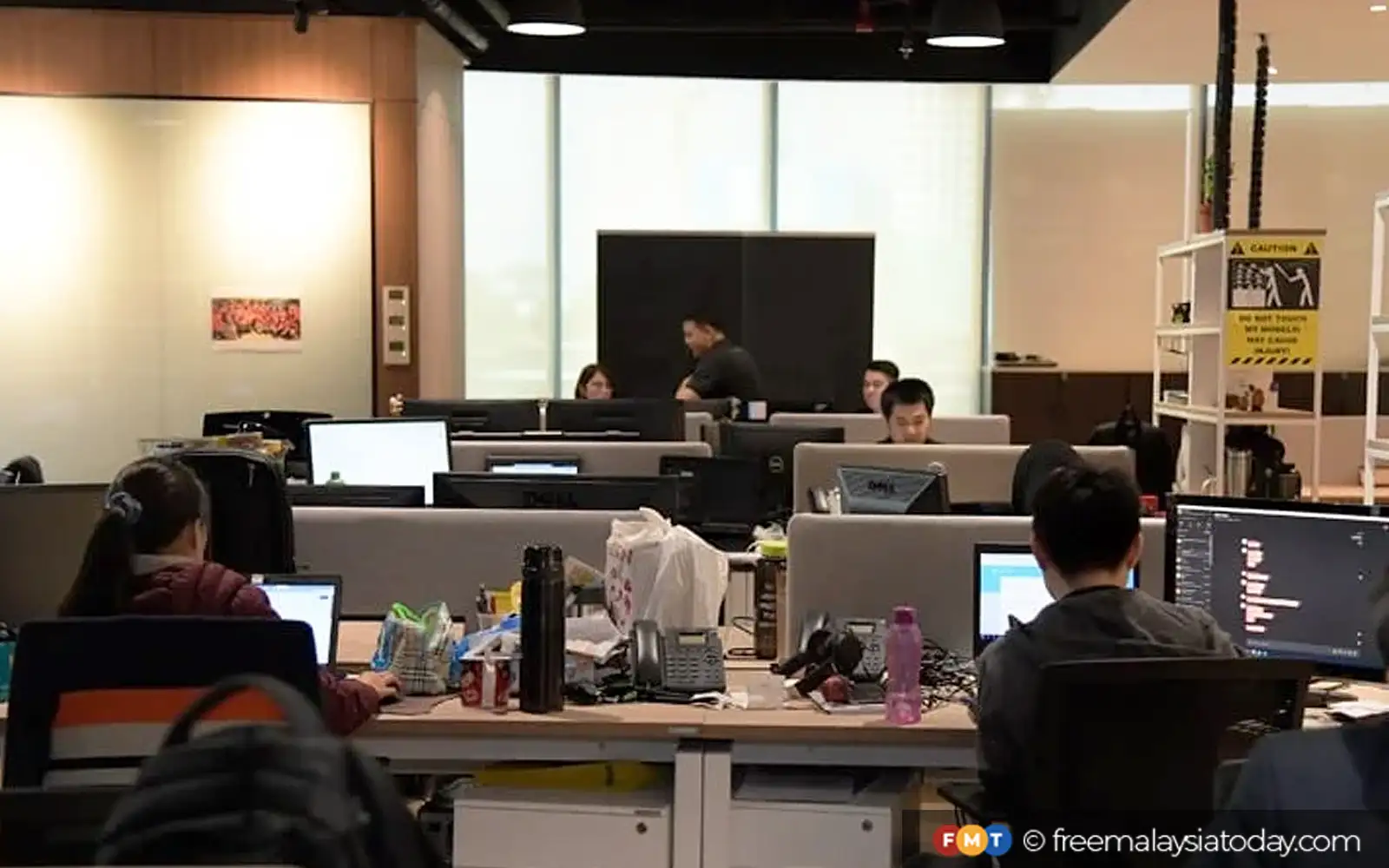
Four years following the 2022 general election, Malaysia experiences a favorable economic outlook. Investments are increasing, new industries are emerging, and national development plans are demonstrating progress. However, an underlying issue threatens this positive trajectory: the fate of our university graduates. Each year, thousands of Malaysian graduates graduate with degrees, yet they find themselves in a job market that cannot accommodate their skills.
According to government data and analysis by The Edge Malaysia, 35.2% of Malaysians with tertiary education are employed in low or semi-skilled positions. More than a third of tertiary graduates are engaged in skill-related underemployment, working as e-hailing drivers, retail employees, or administrative staff that do not require a university education.
During this critical period when young Malaysians require strong economic leadership, politicians must resist the cycle of endless political maneuvering and power struggles. Ensuring our growing population of graduates secure fulfilling, high-paying jobs is not just an educational issue; it is a crucial test of national governance.
Above all, Malaysia must maintain robust competitiveness to attract quality foreign direct investment, which in turn, can generate high-paying jobs. International corporations eyeing artificial intelligence data centers, advanced manufacturing, and green technology require two things before committing: political stability and a skilled local workforce.
Any political instability could cause investors to relocate to neighboring countries, thus undermining job creation efforts. Structural reforms are essential to address this crisis. First, lawmakers and regulators must streamline bureaucratic procedures in the higher education sector. The Malaysian Qualifications Agency's (MQA) slow certification process keeps university programs out of sync with rapid technological advancements.
In rapidly evolving fields like artificial intelligence and data science, a four-year curriculum approval cycle makes degrees outdated before the first cohort even graduates. Simplifying MQA approvals will allow universities to update their programs promptly. Second, ministries must eliminate departmental silos. The Higher Education Plan 2026-2035 requires the Ministry of Higher Education, Ministry of Economy, and Ministry of Human Resources to collaborate closely.
Matching university enrollment numbers with actual industry demands is crucial to avoiding wasted potential. Better coordination between these ministries will ensure graduates' skills match market needs. Third, we must end the negative perception surrounding technical and vocational education and training (TVET). TVET graduates have a remarkable 95.1% employment rate.
Malaysian Investment Development Authority tax incentives have already attracted around RM6 billion in private training investments. Expanding TVET pathways provides a proven direct link to high-demand technical careers. Fourth, universities need to take on a more significant role in innovation through merit-based leadership and hiring.
International economists, such as Harvard's Dwight H. Perkins, warn that reducing political influence in university governance and prioritizing strict merit in faculty appointments are vital to bolstering research and development. Without world-class research environments and merit-based career advancement, Malaysia will continue losing its talented graduates to other countries.
While government policies lay the foundation, universities and students must also adapt to the changing landscape. Generalist degrees are no longer sufficient to guarantee a career. Institutions and undergraduates should focus on high-growth sectors like cybersecurity, healthcare, finance, and advanced engineering. They should also incorporate structured internships, industry micro-credentials, and professional certifications to complement academic theory.
Lastly, graduates must develop uniquely human skills—adaptability, critical thinking, and effective communication—that artificial intelligence cannot replicate. In conclusion, Malaysia has made significant progress in regaining its economic footing since 2022. Let us not squander this momentum on political distractions. Our politicians owe the next generation more than empty promises – they owe them a stable, competitive economy where a Malaysian degree leads to prosperity, not underemployment.
Written by urgent.news from Free Malaysia Today's reporting — not their text. Machine-written — may contain errors; check the original before relying on it.
This story
This is one outlet's version. Read the fullest account.
- Safeguard political stability to fix graduate underemployment freemalaysiatoday.com