Rocket from Boeing-Lockheed firm fails mid-flight, destroys payload of Amazon satellites
A Vulcan rocket suffered an anomaly about 10 minutes after liftoff from Florida, failing to deliver 40 Amazon Leo satellites to orbit. It was the first total mission failure in the company's history.
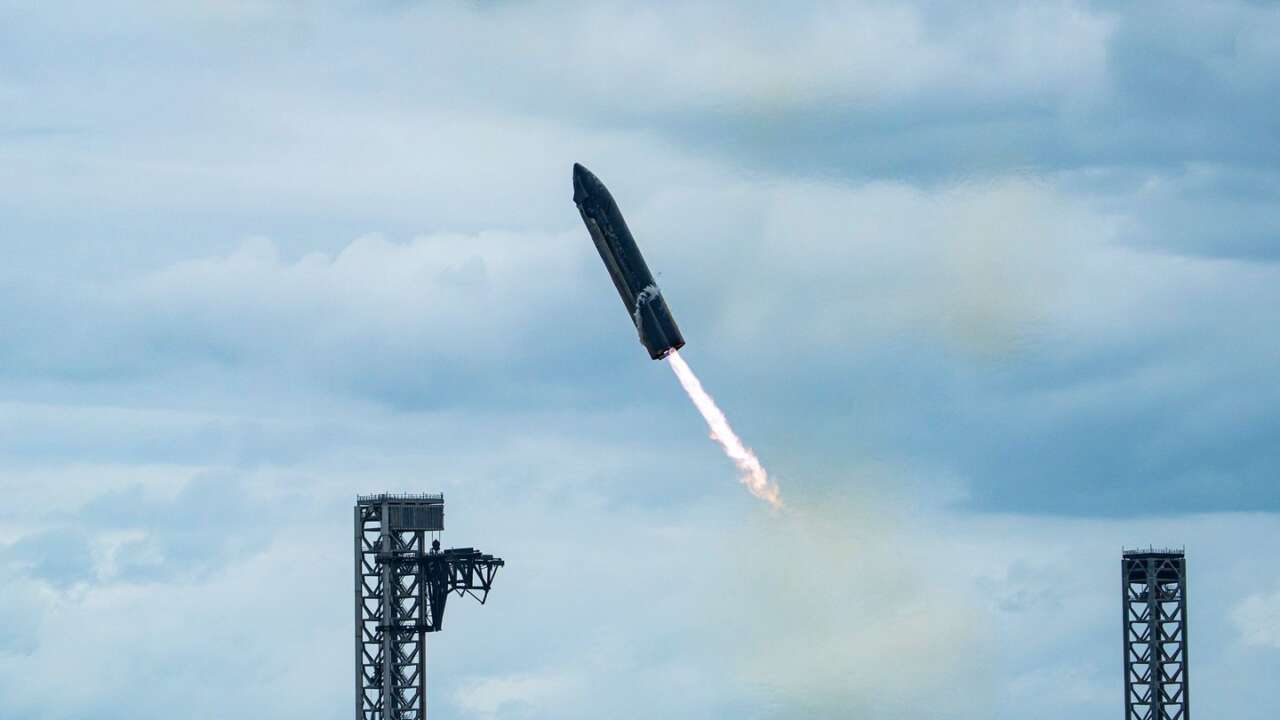
A Vulcan rocket operated by United Launch Alliance, a collaboration between Boeing and Lockheed Martin, experienced an issue shortly after its launch from Florida on Sunday, resulting in the destruction of its 40 Amazon satellites payload. The rocket malfunctioned around 10 minutes into the launch from Cape Canaveral Space Force Station in Florida, and the reason for the failure remains unknown.
This marked a significant setback for ULA's new flagship rocket, as they were aiming for regular launches to support Amazon's expanding satellite internet network. ULA expressed their intent to investigate the anomaly and emphasized their trust in the rocket's capabilities. Amazon acknowledged the risk of any launch, particularly for inaugural missions like this one.
The rocket's fifth launch since its 2024 debut and the first in nine months followed multiple technical investigations. Blue Origin, in collaboration with ULA, was involved in the investigation. The issue arose post-separation of the second stage, which carried the Amazon satellites, from the first-stage booster. ULA, formed in 2006 through the merger of Boeing's Delta and Lockheed Martin's Atlas rocket programs, boasted a flawless mission success rate before this failure.
Despite this setback, Amazon persists in its efforts to establish a competitive satellite internet service, currently lacking the resources to challenge SpaceX's Starlink network.
Written by urgent.news from The Indian Express's reporting — not their text. Machine-written — may contain errors; check the original before relying on it.
This story
This is one outlet's version. Read the fullest account.