Prediction Markets’ Post-Midterm Reckoning Is Already Taking Shape
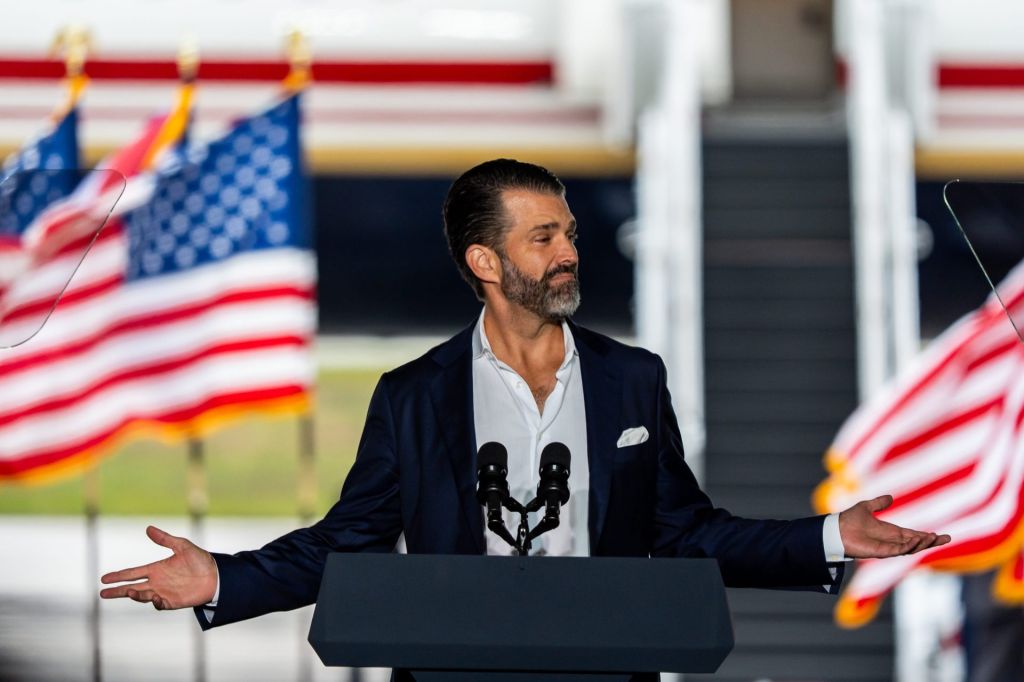
The aftermath of the midterm elections has seen immediate activity surrounding prediction markets. Donald Trump Jr. parted ways with Kalshi, while a Republican attorney general in Louisiana initiated a lawsuit against ten prediction-market operators. The White House appointed a pair of commissioners from different political backgrounds to the CFTC.
Novig's assertion that prediction markets differ from traditional sports betting was dismissed by a federal court. These events signal a broader battle over the regulation of prediction markets, with the potential for a Supreme Court ruling on the matter. Melinda Roth, a New England Law professor, suggests the dispute extends beyond sports event contracts and centers on whether states can regulate exchanges under federal oversight.
The fight is largely about money, with state governments collecting tax revenue from legalized sports betting and Native American tribes safeguarding their gaming operations. Both Republicans and Democrats in Congress have introduced bills aimed at curbing the industry. The upcoming confirmation of two new CFTC commissioners, one Republican and one Democrat, may impact the agency's approach to regulation.
Despite potential legal challenges, prediction markets are expected to persist, but the focus now shifts to determining how they will be regulated.
Written by urgent.news from Front Office Sports's reporting — not their text. Machine-written — may contain errors; check the original before relying on it.