Pelihara kestabilan politik selesai masalah guna tenaga tak penuh graduan
Bagi mengekalkan momentum ekonomi pasca 2022 Malaysia perlu menarik pelaburan langsung asing bernilai tinggi di samping merombak peraturan universiti yang terlalu kaku agar seiring keperluan industri.
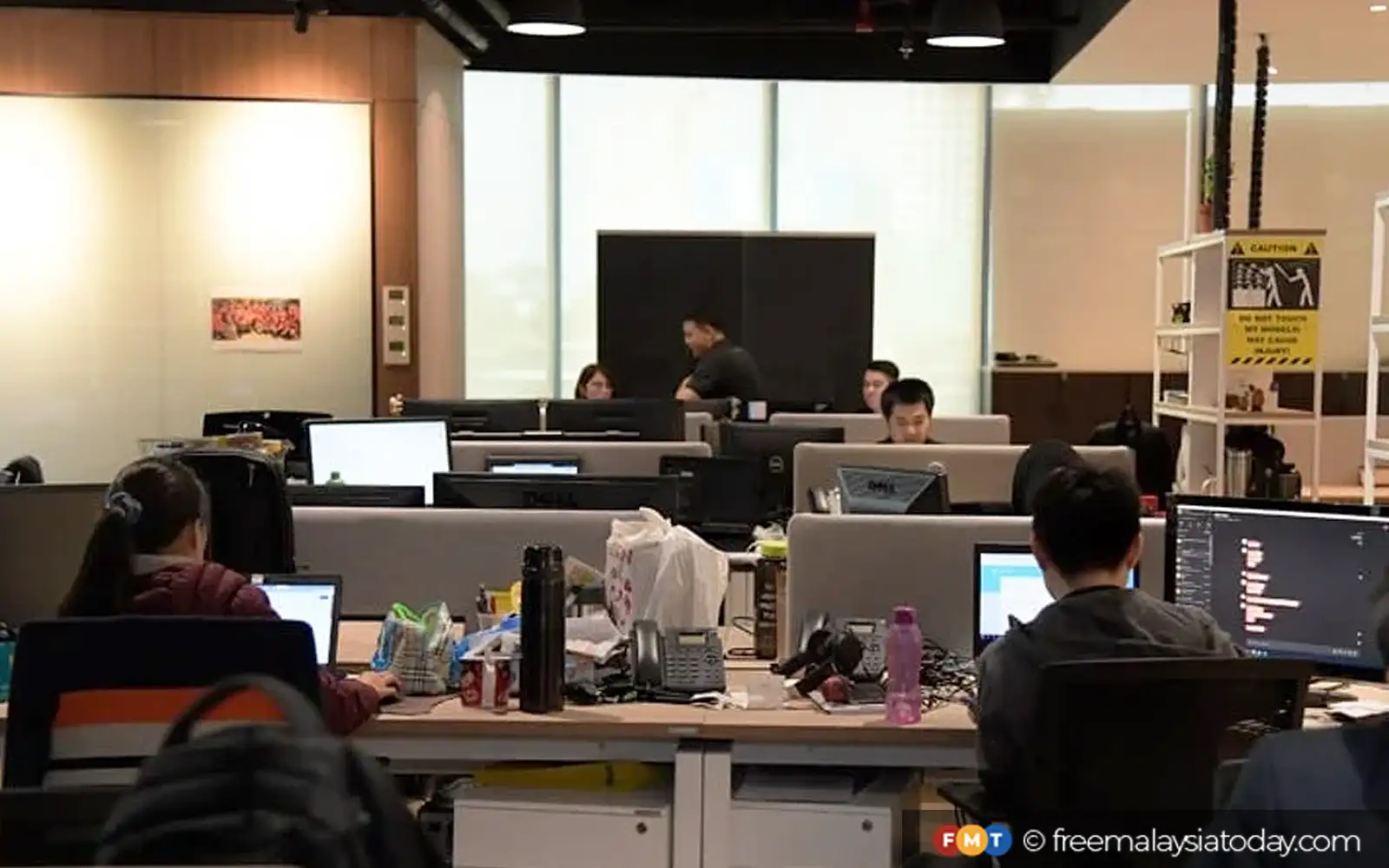
Four years after the 2022 general election, Malaysia now stands on an unstable economic foundation. Investment continues to flow in, new industries are emerging, and the national development framework is starting to yield results. However, beneath the headline of positive macroeconomic news lies a silent crisis demanding urgent attention from elected leaders: the future of university graduates in Malaysia.
Every year, hundreds of thousands of young Malaysians graduate with degrees, only to find themselves unable to enter the job market due to the lack of demand for their skills. According to data from the Department of Statistics Malaysia (DOSM) and analysis by The Edge Malaysia, 35.2% of Malaysia's tertiary-educated workforce work in low-skilled or semi-skilled sectors, with more than a third of our university graduates trapped in low-skilled labor.
As Malaysia needs an ambitious economic leadership, politicians must resist the temptation to continue endless campaigning and governance. Ensuring our graduate wave finds meaningful work and high-paying jobs is not just an educational challenge; it's a true test of national governance. More than anything else, Malaysia must remain competitive in attracting high-quality direct foreign investment (FDI) to create high-paying jobs.
Global capital is pragmatic and uncompromising. Multinational companies investing billions in artificial intelligence (AI), advanced manufacturing, and green technology need two things before investing: strong political stability and a skilled workforce ready to move quickly. If political turmoil threatens the foundation, investors will easily move to neighboring countries.
Political stability is the foundation of all job creation efforts. Revamping the structure, however, is only part of the solution; preparing graduates to fill these positions requires a comprehensive structural overhaul spanning ministries and campuses. First, legislation and licensing bodies must cut red tape hindering the high education sector.
Education observers have long warned that the slow approval process under Malaysia’s Qualifications Accreditation Agency (MQA) leaves university curricula outdated in the face of rapidly advancing technology. In rapidly evolving fields like AI and data science, a four-year graduation cycle renders a degree practically useless before the first cohort graduates.
MQA certification needs to be streamlined so universities can rapidly adapt their curricula to current needs. Second, ministries must stop operating in silos. Under the Malaysia Higher Education Plan 2026–2035, the Ministry of Higher Education must work alongside the Ministry of Economy and the Ministry of Human Resources. Training graduates without mapping them to actual industry demands will only perpetuate the potential of young people.
Aligning university intake with real labor market needs is essential to prevent squandering young potential. Third, we must eliminate stigma around technical and vocational education and training (TVET). The numbers speak for themselves: TVET graduates now boast an impressive 95.1% employability rate. Supported by incentives through the Malaysia Investment Development Authority (MIDA) scheme, which has attracted approximately RM6 billion in private skill development investment, TVET pathways provide a proven route to high-demand technical jobs.
Fourth, Malaysia's universities must be restructured into true innovation hubs through meritocratic principles. As international economist Dwight H. Perkins warned, reducing political interference in university leadership and emphasizing strict merit-based hiring of faculty is crucial to strengthening research and development (R&D).
Without a global research ecosystem and merit-based advancement, Malaysia will continue to lose its best minds to brain drain. While the government lays the groundwork, universities and students must also adapt to the constantly changing landscape. Relying solely on general degrees is no longer sufficient to guarantee employment.
Higher education institutions and students must shift towards high-growth sectors like cybersecurity, health care, finance, and advanced engineering, combining academic theory with structured industry internships, industry-specific micro-credentials, and professional licensing. At the same time, as emphasized by the Malaysian National Academy (AKM), graduates must cultivate unique personal adaptability: critical thinking, strong communication skills, and emotional intelligence that AI cannot replicate.
In conclusion, Malaysia has been working hard since 2022 to revive its economic position. Let us not squander this momentum due to political interference. Our elected leaders owe more than just rhetoric to the coming generation— they are responsible for creating a stable and competitive economy where a Malaysian degree becomes a passport to prosperity, not a ticket to low-skilled labor.
Written by urgent.news from Free Malaysia Today's reporting — not their text. Machine-written — may contain errors; check the original before relying on it.
This story
This is one outlet's version. Read the fullest account.
- Pelihara kestabilan politik selesai masalah guna tenaga tak penuh graduan freemalaysiatoday.com