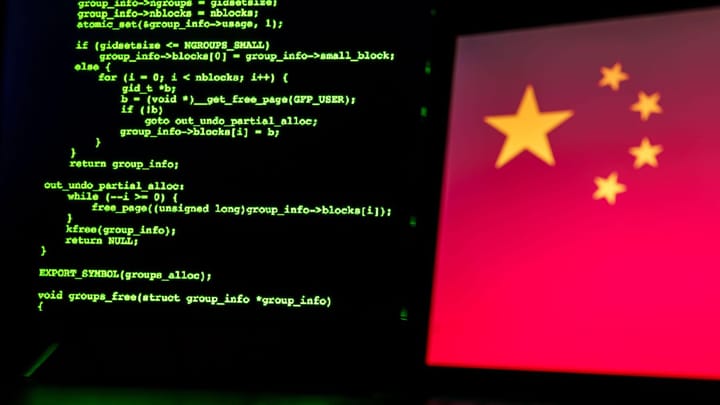
Nvidia chip row: US tightens AI chip export rules to restrict access through overseas data centres
The latest US restrictions come against the backdrop of a major controversy involving allegations that advanced Nvidia-powered servers were smuggled into China in violation of American export controls.

The U.S. Commerce Department has implemented stringent new export controls on advanced semiconductors and overseas data centers, aiming to curb access to significant computing power for companies tied to countries of concern. This move follows concerns in the wake of allegations involving Super Micro Computer and the alleged trafficking of Nvidia-powered servers valued at $2.5 billion to China through intermediaries.
Under the interim final rule, the department is imposing restrictions on overseas data centers that remotely provide substantial computing capacity to companies based in countries listed under Country Group D:5 or Macau. These regulations are designed to prevent entities in these jurisdictions from utilizing advanced U.S.-made semiconductors to train sophisticated artificial intelligence models through remote computing infrastructure.
The rules also introduce licensing requirements for specific advanced semiconductor exports and transfers. Companies operating in the targeted jurisdictions must perform thorough due diligence to ensure their customers are not directly or indirectly owned or controlled by individuals or entities in restricted regions. The rule applies to exports, reexports, and domestic transfers of advanced semiconductors to Indonesia, Malaysia, Singapore, Thailand, and Brazil, which the U.S. deems at a heightened risk of technology diversion.
An exemption exists for shipments to U.S.-based companies or those with U.S.-based ultimate parent companies, provided they meet the necessary reporting criteria. Notably, the licensing requirement does not encompass commercial recommendation systems, including those employed by e-commerce platforms and social media networks, which the Commerce Department asserts do not present the same national security risks.
The regulations also expand licensing requirements for advanced semiconductor exports to five additional countries: Indonesia, Malaysia, Singapore, Thailand, and Brazil, due to their elevated risk of semiconductor technology diversion. However, companies headquartered in the U.S. or with U.S.-based ultimate parent companies, meeting specified reporting requirements, will be exempt.
The Commerce Department emphasizes that it will monitor countries that attempt to circumvent the new restrictions, potentially imposing import restrictions, additional licensing requirements, downgrading their status under the U.S. export control regime, and placing involved individuals or companies on the Entity List.
Written by urgent.news from Live Mint's reporting — not their text. Machine-written — may contain errors; check the original before relying on it.