‘No secrets left anywhere’: Hong Kong activates mass AI facial recognition
HONG KONG, Nov 17 — Hong Kong rolled out AI-powered facial recognition functions across its camera surveillance sy...
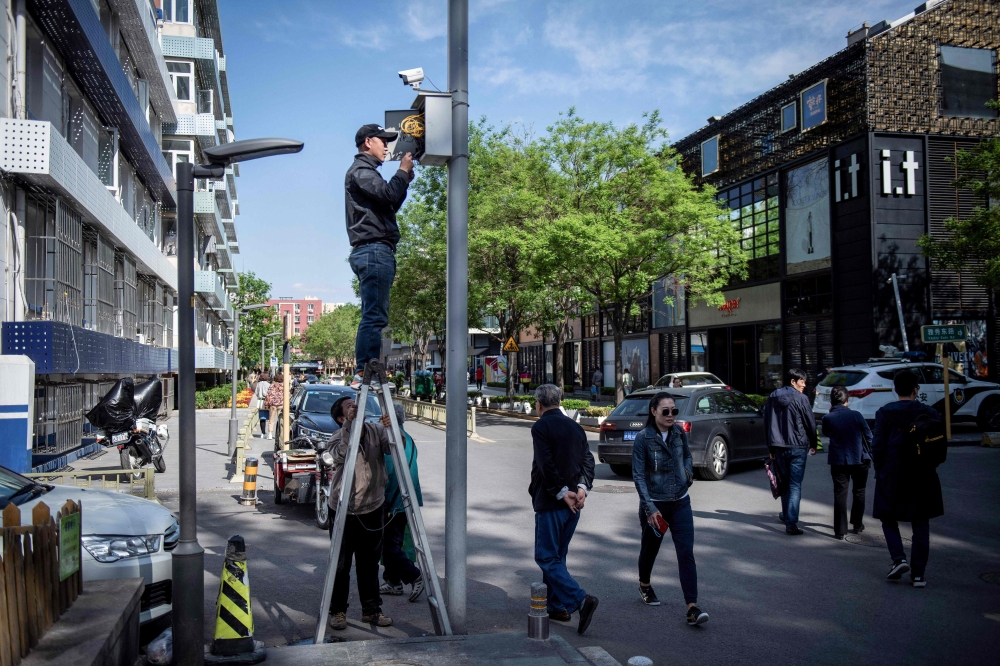
Hong Kong has introduced AI-powered facial recognition across its camera surveillance system, part of a broader push for national security and crime prevention. This expansion of monitoring capabilities follows the imposition of a national security law in 2019, which critics say has suppressed dissent in the region. The new technology, part of the police operation named SmartView, is intended to act as a "safeguard for law-abiding citizens" and enhance the effectiveness of existing surveillance systems.
Police Commissioner Joe Chow announced the rollout of the AI tools on Monday, asserting they will be used to monitor crowds and license plates and potentially track criminal suspects. Since the SmartView program began in 2024, approximately 5,000 closed-circuit television (CCTV) cameras have been installed across Hong Kong, credited with solving nearly 2,200 cases and leading to over 2,800 arrests.
Authorities plan to add 55,000 more cameras by 2028, as outlined in documents submitted to the legislature. While some residents, like finance worker Li, expressed concern about the potential misuse of AI-enabled surveillance and the lack of transparency in data collection, others, such as Saturday Zhou, expressed a degree of familiarity with the technology, citing its prevalence in mainland Chinese cities.
Police Commissioner Chow acknowledged public concerns but maintained that the system would not be abused. The implementation of AI surveillance in Hong Kong echoes the extensive use of similar technology in mainland China, which has drawn criticism from international rights groups and NGOs for its potential to enable "automated censorship, enhance surveillance, and preemptively suppress dissent."
A report by the Australian Strategic Policy Institute last year highlighted these concerns. Other jurisdictions, including the United Kingdom, have adopted similar AI surveillance tools but have faced criticism for granting governments unchecked privacy-invading capabilities and raising concerns over false matches leading to wrongful arrests and transparency issues.
In 2024, the European Union banned the use of "real-time" remote biometric identification systems in publicly accessible spaces for law enforcement purposes, with limited exceptions.
Written by urgent.news from Malay Mail's reporting — not their text. Machine-written — may contain errors; check the original before relying on it.
This story
This is one outlet's version. Read the fullest account.