Naturschutz: Weniger Kraniche an Rastplätzen - wegen Vogelgrippe?
Kranichexperten in Deutschland haben besorgniserregende Zahlen zusammengetragen und bemühen sich mit einer Resolution um Hilfe. Hat die Vogelgrippe 2025 stärker gewütet als zuvor angenommen?
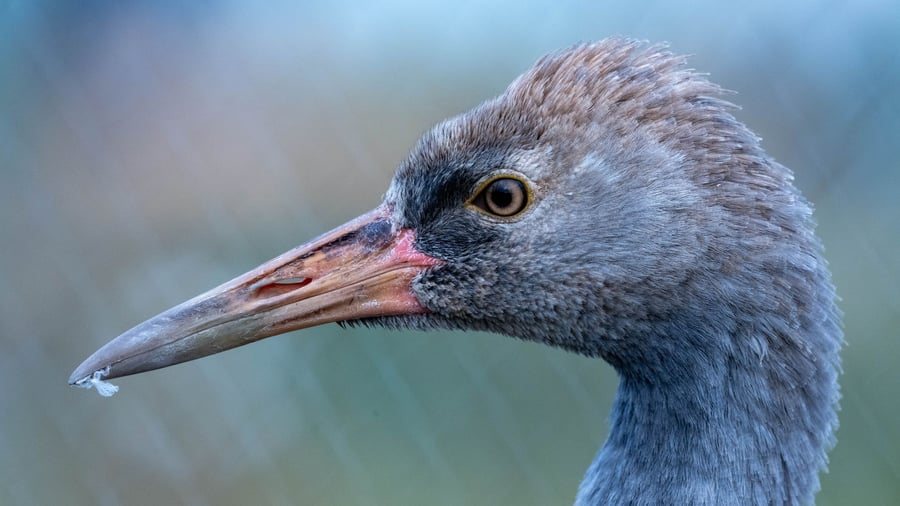
In recent years, significantly fewer cranes have been observed at major German resting areas, according to Günter Nowald, the managing director of the Kranichschutz Deutschland organization. Nowald told Deutsche Presse-Agentur that the decline is quite noticeable, but it is unclear if it is related to the unprecedented spread of bird flu among cranes in the autumn of the previous year.
In the Rhineluch-Havel resting area in Brandenburg, the number of cranes dropped by 70%, with the maximum number decreasing from over 60,000 last year to under 18,000 this year. In the Diepholzer Moorniederung in Lower Saxony, the number of cranes decreased from 60,000 last year to around 30,000 this year. In the Kelbra resting area in Saxony-Anhalt, the number of cranes at the reservoir was about 70% lower this autumn than in previous years, with fewer than 15,000 compared to over 50,000 the previous year.
Nowald stated that the numbers do not necessarily mean that many cranes died from bird flu last year, but it is possible that the birds avoided resting areas that were affected by the disease last year. In Kelbra, 5,433 dead cranes were recovered from the drained reservoir. The birds might have avoided these areas due to the large number of dead cranes and the presence of protective personnel in white uniforms.
Based on winter counts, Nowald previously estimated that around 70,000 cranes had fallen victim to bird flu along the western European migratory route. The new data, presented at the 35th anniversary conference of Kranichschutz Deutschland, held this weekend at the Ozeaneum in Stralsund and the Nabu-Erlebniszetrum Kranichwelten in Günzburg, raised the possibility that the actual number could be higher.
Nowald has drafted a resolution to present to the Federal Agency for Nature Conservation, aiming to secure financial support to determine the cause of the decline. If cranes are increasingly avoiding new resting places, it may be necessary to provide adequate protection and rest in those areas. The nationwide crane monitoring is largely carried out by volunteers.
Written by urgent.news from Handelsblatt's reporting — not their text. Machine-written — may contain errors; check the original before relying on it.