Marvell and Penguin Solutions aim to end the RAMpocalypse with photonic memory fabric
Appliances can share 16 TB of DRAM and half a terabyte of HBM across up to 16 systems

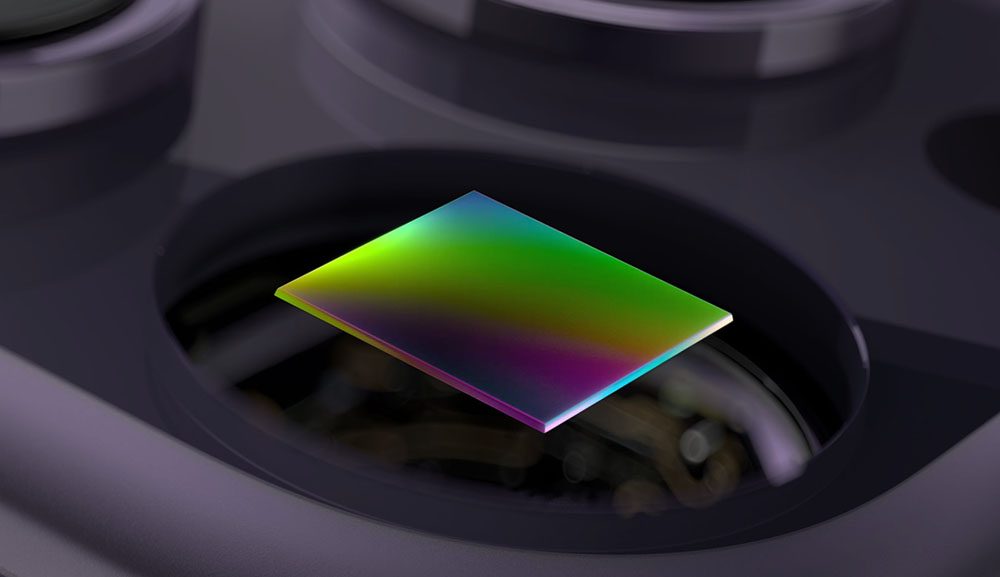
Marvell Technology and system integrator Penguin Solutions have announced a partnership to bring high-bandwidth memory (HBM) capabilities over distance through a new photonic memory fabric. The collaboration stems from Marvell's acquisition of Celestial AI's technology for $3.5 billion in February. The fabric features a memory expansion module containing two stacks of HBM3e totaling 72 GB, along with eight channels of DDR5 stacked on a silicon photonic interposer that offers 7.2 Tbps (900 GB/s) of bidirectional bandwidth.
Marvell's senior VP of photonic fabric business, Preet Virk, explains that the company provides the Photonic Fabric memory modules to Penguin, which then assembles the units, handles power management, and develops the software and management layers.
The first appliances based on the technology will support 16 memory modules, providing up to 16 TB of DDR5 and 1 TB of HBM. Future systems may scale to twice the DDR5 capacity. Each appliance supports up to 16 servers through either network interface cards, co-packaged (CPO) or near-packaged optical (NPO) modules, with NPO modules expected to play a significant role in next-generation rack-scale systems from Nvidia and AMD.
These modules connect electrically to the host and optically to the rest of the fabric, offering improved serviceability and lower blast radius.
Marvell's software layer enables systems to access the entire shared memory space, similar to systems connected to network-attached storage. The technology allows for memory tiering modes, facilitating resource sharing among connected systems. One notable mode, HBM cache-through, treats HBM as a read/write cache, improving performance and memory utilization by offloading inactive KV caches from HBM to these memory appliances.
Marvell anticipates the first generation of Photonic Fabric memory expansion systems from Penguin to arrive in the second half of next year.
Written by urgent.news from The Register's reporting — not their text. Machine-written — may contain errors; check the original before relying on it.